Nunca é tarde para aprender a falar Inglês

Muitas pessoas pensam que já passaram da idade apropriada e que não serão mais capazes de aprender a falar Inglês. Eu já ouvi frases como “papagaio velho não aprende a falar” ou “Eu tenho muito vocabulário, mas não sei formar frases” ou “Na hora fico nervoso e esqueço tudo.”

Todos nós passamos por dificuldades ao tentar aprender a fazer algo novo já mais velhos. Seja um esporte, trabalho manual,  estudo, qualquer aprendizagem é mais difícil ao longo dos anos, mas isso não pode ser motivo de desânimo.

É muito comum eu ouvir justificativas como: falta de tempo, dinheiro, transporte, inibição, quando na verdade falta ter coragem para arregaçar as mangas e superar os obstáculos. Hoje em dia existem até cursos de inglês on-line!

Em termos de educação, pesquisas colocaram o Brasil no final da linha entre países com conhecimento de Inglês. Isso é deprimente, especialmente se pensarmos que em breve o Rio irá sediar os Jogos Olímpicos, um evento que envolve conhecimento de Inglês.

Algumas pessoas já passaram por humilhação ou constrangimento ao comentem algum erro e acabaram envolvidas em grande dificuldade. Eu sei de casos com pessoas que já passaram por situações tão embaraçosas que se tornaram cômicas.Todas essas experiências bizarras durante viagens internacionais, entrevistas de emprego, ou reuniões são válidas. O aluno tem de seguir em frente, não se sentir desanimado, ele deve saber que tudo isso faz parte do processo de aquisição da linguagem e relevantes para a fixação do conteúdo.

O mais importante para mim como um professora de Inglês é sobre o sentimento de vitória para os alunos que conseguiram superar as dificuldades e cresceram em sua profissão devido à aprendizagem da língua.

Portanto, meu amigo que está aprendendo Inglês depois adulto, parabéns! Não tenha vergonha de cometer erros, falar, mesmo sem a certeza das palavras, ficar tenso, ou errar na concordância. Vá em frente, porque é só assim que se aprender um novo idioma.

E para aqueles de vocês que ainda têm medo de tentar, deem o primeiro passo. É mais fácil do que vocês pensam!
Pergunte-me como!

In English

It´s Never too late to learn to speak English
Most adults think they have passed the appropriate age and that they will no longer be able to learn to speak English. I’ve heard phrases like “old parrot does not learn to talk” or “I have much vocabulary, but I don´t form sentences” or “I get too nervous and forget everything.”

We all go through difficulties when trying to learn to do something new when we are old. It maybe be a sport, manual work, or study. Any learning is more difficult over the years, but this may not be cause for discontinuance.

It is very common to justify ourselves with excuses of lack of time, money, transport, inhibition and thereby avoid having the courage to roll up the sleeves and overcome barriers. There are now even online English Courses!

In terms of Education, researches put Brazil at the end of the line between countries with knowledge of English Language. This is depressing, especially if we think that we will soon host the Olympics, an event which involves knowledge of English.

Some people have undergone humiliation when referring erroneously or using terms known as false cognates and they ended up involved in great trouble. I know some cases of people who, once abroad, have experienced embarrassing situations that became comical.

All these bizarre experiences during international travels, job interviews, or meetings are valid and are part of the development process of learning a new language. The learner has to move on, do not feel dejected, he should know that it’s all part of the process of language acquisition and that these strange situations are relevant to the fixing of the content.

The most important for me as a teacher of English Language has to be about the feeling of victory for the students who managed to overcome the difficulties and grew up in their profession due to language learning.

So my friend who is learning English as an adult, congratulations! Do not be shy about making mistakes, talk even without the certainty of words, tenses, or of concordance, and go ahead, because it’s just so that you learn a new language. And for those of you who are still afraid to try, take the first step. It’s easier than you think!
Ask me how!


O Cérebro Bilíngue 

Excelente vídeo sobre a importância de se adquirir mais de uma língua ao longo dos anos. 

É óbvio que saber mais do que uma língua pode fazer certas coisas mais fáceis – como viajar ou assistir a filmes sem legendas. Mas existem outras vantagens em ter um cérebro bilíngue? 

 Mia Nacamulli detalha os três tipos de cérebros bilíngües e mostra como saber mais de uma língua mantém seu cérebro saudável, complexo e ativamente engajados.

O vídeo é em Inglês e explica as diferentes áreas do cérebro onde uma segunda língua é aprendida e os benefícios que esse aprendizado pode trazer às pessoas de qualquer idade, inclusive na velhice ou primeira infância. 

Se vc se interessa pelo tema, não deixe de assistir. São apenas alguns minutos, mas o aprendizado valhe a pena. 

https://www.facebook.com/paulalyraeltschool/posts/395203107337981


Intensivo de Inglês 

Aula particular de Inglês faz mais efeito do que aula em grupo. O aluno tem foco nas suas necessidades específicas, atenção individualizada, correção efetiva dos erros e diálogo com qualidade. O custo benefício final é melhor do que em cursos de idioma. 

  Aproveite as férias para dar um UP em seu inglês. 

Praticar conversação, desenvolver a fluência, estudar gramática , vocabulário e estrutura

Invista em você e em seu futuro!

Não desista de seus objetivos!

Fale Inglês, você consegue!

Expressões Idiomática 

Aprenda frases usando cores através de expressões idiomáticas. 


Blue

feeling blue = feeling unhappy: “What’s the matter with you? Feeling blue?”

out of the blue = completely unexpected: “I sent off my application to the company, but heard nothing. Then completely out of the blue they sent me a letter.”

Red

see red = become extremely angry: “When people are cruel to animals, it really makes me see red.”

a red letter day = a day of great importance: “It’s a red letter day tomorrow in the company. It’s our fiftieth birthday!”

paint the town red = celebrate: “They went out last night and really painted the town red – they didn’t come home until 5 a.m.”

in the red = overdrawn: “It’s the end of the month and we’re in the red again. We have to control our spending better.”

like a red rag to a bull = likely to make someone angry: “Don’t talk to him about politics – it’s like a red rag to a bull.”

red tape = bureaucratic paperwork: “You have to cut through a lot of red tape to get proposals accepted in this company.”

red carpet treatment = treat someone with great respect: “When we visit our offices in Asia, we get the red carpet treatment.” 

Green

get the green light = get approval to start something: “We’ve finally got the green light to start research on the new product.”

green fingers = be a good gardener: “Everything grows in her garden. She definitely has green fingers.”

green-belt area = an area of protected land surrounding a town or city: “The green-belt area around London is disappearing fast.”

green politics = environmental politics: “He’s in green politics and often campaigns to fight pollution.”

Black

black market = illegal trade: “You can change dollars for a much higher rate on the black market.”

black economy = a part of the economy unregulated by the authorities: “He doesn’t pay any taxes and thinks that the black economy will make him rich.” (He’s working on the black.)

give someone a black look = look at someone as if you are angry: “Why is he giving me such a black look?”

on the black list = be on a list of “undesirables”: “We won’t be invited to their party this year – we’re on their black list.”

blacklisted = be banned: “Many actors and writers were blacklisted in Hollywood in the 1950’s because they were considered “un-American.”

in black and white = be extremely clear: “This contract is in black and white: we aren’t allowed to keep any pets in this house.”

black spot = a dangerous spot: “his roundabout is a black spot for traffic accidents.”

black and blue = be badly bruised: “When she fell off her bicycle, she was black and blue for days.”

White

white Christmas = when it snows at Christmas: “There hasn’t been a white Christmas here since 1983.”

whitewash = cover up the truth: “I don’t believe his story. I think it’s all a whitewash.”

Grey

a grey area = something which is not definite: “I think genetic engineering is a bit of a grey area.”

grey matter = your brain: “Doing crossword puzzles tests your grey matter.”

Source: www. english at home com


Chinese New Year – Ano Novo Chinês

On January 19th it is Chinese New Year. Do you know the story of The Chinese Zodiac, and how it started?

Many people have wondered over the years how it was that the rat, the smallest of all the creatures, was given the honour of having the first year of the Chinese Zodiac named after him.

This is the story.

A very long time ago, the Jade Emperor, who ruled the heavens of China, sent a message to all the animals asking them to come together so that he could give each of them a year, which would make it easier for the people of China to keep track of time. The cat and the rat were good friends and decided to travel to meet the Jade Emperor together. When it came time to leave, however, the cat was taking a nap. The rat, realising that he would have to use all his cunning to be noticed by the Jade Emperor, left his friend sleeping, and set off on his own. This is why there is no year named after the cat, and also why cats have hated rats ever since. When the rat arrived, the Jade Emperor welcomed him and the other animals and told them that they should all take part in a swimming race. Once again, the rat realised that he would have to be very clever if he wanted to win the race. He found the largest, strongest animal, which was the ox, and pleaded with him to let him ride on its head. The ox was kind and strong, and agreed that they would swim across together. The rat travelled safely across the river on the ox’s back, but, just before they reached the other side, climbed over the ox’s head, jumped onto land, and reached the finish line first. The rat had proved its cunning, and the Jade Emperor named the first year after the rat and the second year after the ox.

According to the place the animals got on the race, the Emperor gave each of them an year to represent.

Do you know your sign on the Chinese Zodiac? Do you know what it represents? So check on the link and have fun.

http://www.astrology.com/chinese-astrology Chinese new year

Em Português

Dia 19/02 será o Ano Novo Chinês. Você conhece a história do zodíaco chinês e como tudo começou?

Muitas pessoas se perguntam ao longo dos anos como foi que o rato, a menor de todas as criaturas, foi dada a honra de ter o primeiro ano do zodíaco chinês em sua homenagem.

Esta é a história.

Há muito tempo atrás, o Imperador de Jade, que governou os céus da China, enviou uma mensagem a todos os animais, pedindo-lhes para se unir para que ele pudesse dar a cada um deles um ano. Isso tornaria mais fácil para as pessoas da China para manter a noção do tempo. O gato e o rato eram bons amigos e decidiram viajar para conhecer o Imperador de Jade juntos. Quando chegou a hora de sair, no entanto, o gato estava tirando uma soneca. O rato, percebendo que ele teria que usar toda a sua astúcia para ser notado pelo Imperador de Jade, deixou seu amigo dormir e partiu sozinho. É por isso que não há nenhum ano em homenagem ao gato, e também por isso que os gatos odeiam ratos desde então. Quando o rato chegou, o Imperador de Jade congratulou-se com ele e com os outros animais e lhes disse que todos eles deveriam participar de uma corrida de natação. Mais uma vez, o rato percebeu que teria que ser muito inteligente, se quisesse ganhar a corrida. Ele encontrou o maior e mais forte animal, que foi o boi e implorou-lhe para deixá-lo andar em sua cabeça. O boi era gentil e forte, e concordaram que iriam atravessar a nado junto. O rato viajou com segurança através do rio na parte traseira do boi, mas, pouco antes de chegar ao outro lado, subiu sobre a cabeça do boi, pulou para a terra, e chegou à linha de chegada em primeiro lugar. O rato tinha provado a sua astúcia ao Imperador de Jade e foi nomeado com primeiro ano, após o rato e no segundo ano foi para boi.

De acordo com o lugar que os animais chegaram na corrida, o Imperador deu a cada um deles um ano para representar.

Você conhece o seu signo no zodíaco chinês? Sabe o que ele representa? Cheque no link e se diverta!

http://www.astrology.com/chinese-astrology

Nunca é tarde para aprender a falar Inglês!

A revista Veja publicou um artigo interessante sobre este tema. Era a história de capa e muitos dos meus alunos compraram a revista influenciados pelo artigo. Como esta é a minha área de especialização, corri para ler a história, também.

Infelizmente, o que a maioria dos adultos acha que é que eles passaram da idade adequada e que não serão capazes de aprender a falar Inglês. Já ouvi frases como “papagaio velho não aprende a falar” ou “Eu tenho muito vocabulário, mas eu não sei formar frases” ou “Eu fico muito nervoso e me dá um branco.”  Atualmente tenho alunos de 60, 70 anos que têm um excelente desempenho e muita satisfação com o aprendizado!

Qualquer aprendizagem é mais difícil ao longo dos anos, mas isso não pode ser motivo de desistência. É comum nos justificarmos com desculpas de falta de tempo, dinheiro, transporte,  inibição e não ter a coragem de arregaçar as mangas para superar os obstáculos.

Em termos de educação, pesquisas colocam o Brasil no fim da linha entre países com conhecimentos de Inglês. Isso é deprimente, especialmente se pensarmos em todos os eventos mundiais que ocorrem no Brasil e que envolvem conhecimentos de Inglês.

Quando temos sucesso ao fazer alguma coisa, o sentimento de vitória por superarmos as dificuldades é imenso! Especialmente quando você cresce em sua profissão devido à aprendizagem de línguas.

Algumas pessoas já sofreram humilhação ao falar Inglês e usar uma palavra ou frase erroneamente e acabaram envolvidas em grande dificuldade ou constrangimento. Eu sei de alguns casos de pessoas no exterior que passaram por situações tão embaraçosas que se tornaram cômicas.

Todas essas experiências bizarras durante viagens internacionais, entrevistas de emprego, ou reuniões são válidas e fazem parte do processo de desenvolvimento da aprendizagem de uma nova língua. O aluno tem que seguir em frente, não se sentir desanimado, ele deve saber que tudo isso faz parte do processo de aquisição da linguagem e que essas situações estranhas são importantes para a fixação do conteúdo.

Então, meu amigo que está aprendendo Inglês depois de adulto, parabéns! Não tenha vergonha de cometer erros, falar sem a certeza das palavras, ficar tenso, ou errar na concordância. Vá em frente, porque é só assim para aprender uma nova língua. E para aqueles que, ainda têm medo de tentar, de dar o primeiro passo, é mais fácil do que você pensa!

Paula Lyra e Alves

dscn04171.jpg

In English

It´s Never too late to learn to speak English

The Veja Magazine published an interesting article on this topic. It was the cover story and many of my students bought the magazine influenced by the article. Once this is my area of expertise, I rushed to read the story, too.

Unfortunatelly, what most adults think is that they have passed the appropriate age and that they will no longer be able to learn to speak English. I’ve heard phrases like “old parrot does not learn to talk” or “I have much vocabulary, but I don´t form sentences” or “I get too nervous and forget everything.” Currently I have some students with 60 and 70 years old who have excellent performance and are very happy with their outcome!

Any learning is more difficult over the years, but this may not be cause for discontinuance. It is very common to justify ourselves with excuses of lack of time, money, transport, inhibition and thereby avoid having the courage to roll up the sleeves and overcome barriers.

In terms of Education, researches put Brazil at the end of the line between countries with knowledge of English Language. This is depressing, especially if we think of all the world events that occur in Brazil involving the knowledge of English.

When succeding to do something, the feeling of victory for those who managed to overcome the difficulties is immense. Especially when you grow up in your profession due to language learning.

Some people have suffered humiliation when speaking English after using a word or phrase and mistakenly ended up involved in great difficulty or embarrassment. I know of some cases of people abroad who have been through such embarrassing situations that have become comical.

All these bizarre experiences during international travels, job interviews, or meetings are valid and are part of the development process of learning a new language. The learner has to move on, do not feel dejected, he should know that it’s all part of the process of language acquisition and that these strange situations are relevant to the fixing of the content.

So my friend who is learning English as an adult, congratulations! Do not be shy about making mistakes! Talk even without the certainty of words, tenses, or of concordance. Go ahead, because it’s just so that you learn a new language. And for those of you who are still afraid to try, take the first step. It’s easier than you think!

Paula Lyra e Alves

End of The Year Party

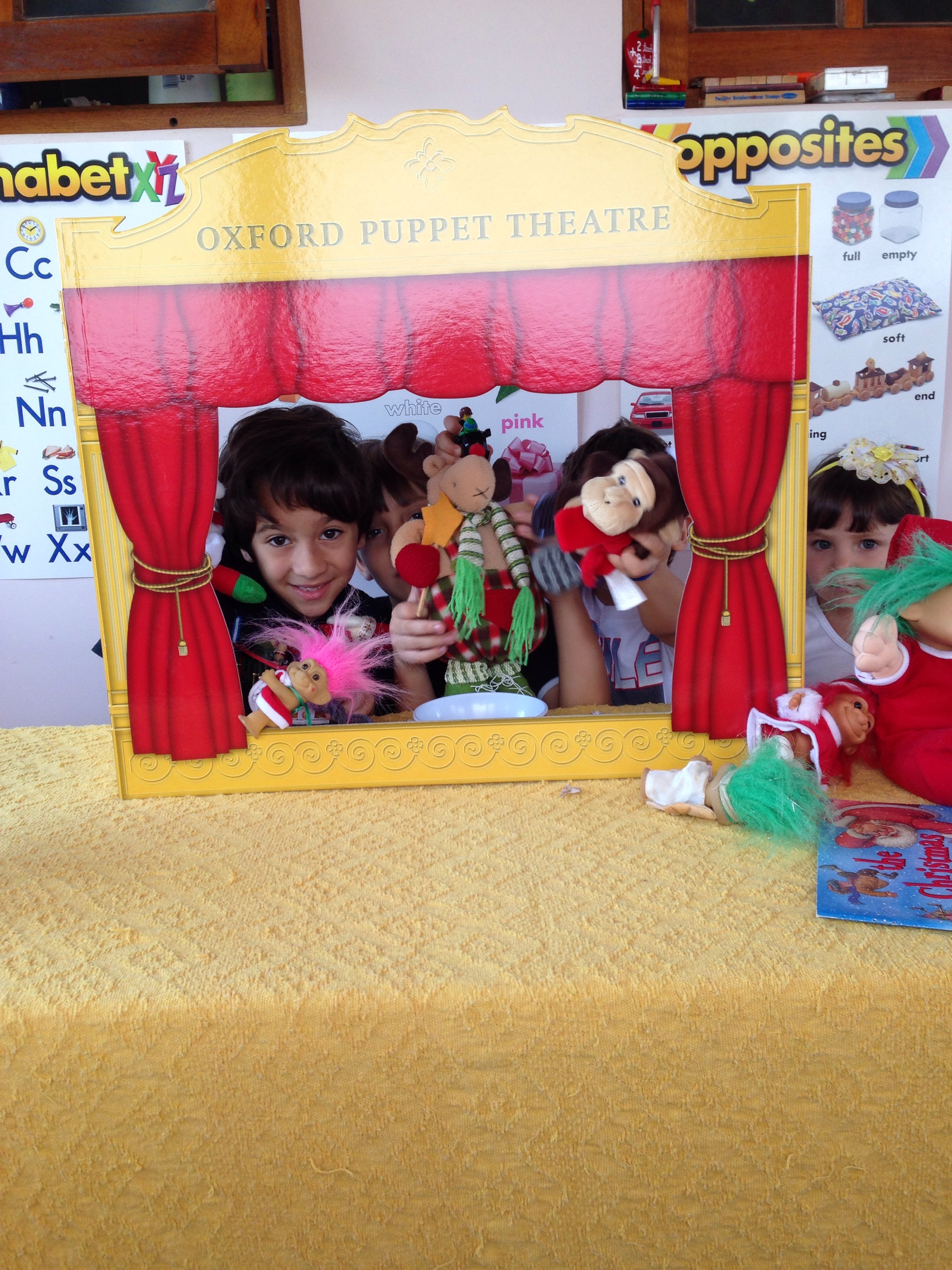
Nossa festinha de encerramento foi fantástica!!
Nós cantamos músicas natalinas, dramatizamos a peça The Christmas Blizzard, fizemos atividades e muitas coisas mais!
Todos os alunos receberam seus boletins e diplomas especiais. Estou muito orgulhosa de vocês.
Agora é tempo de descanso e confraternização.
Até o Ano que vem, queridos alunos!
Merry Christmas and Happy New Year.

/home/wpcom/public_html/wp-content/blogs.dir/b45/17502345/files/2014/12/img_0842.jpg

/home/wpcom/public_html/wp-content/blogs.dir/b45/17502345/files/2014/12/img_0845.jpg

/home/wpcom/public_html/wp-content/blogs.dir/b45/17502345/files/2014/12/img_0848.jpg

/home/wpcom/public_html/wp-content/blogs.dir/b45/17502345/files/2014/12/img_0841.jpg

/home/wpcom/public_html/wp-content/blogs.dir/b45/17502345/files/2014/12/img_0846.jpg
In English
Our End of The Year Party was fantastic !!
We sang Christmas carols, dramatize the play The Christmas Blizzard, did activities and much more!
All students received their report cards and special diplomas. I’m so proud of you!
Now it is time to rest and celebrate.
See you next year, dear students!
Merry Christmas and Happy New Year.

Erros comuns que se deve evitar ao aprender Inglês

Você acha que só ir à aula vai te ensinar a falar Inglês?

O professor apenas apresenta o material, cabe ao aluno internalizar depois o que foi aprendido. O tempo de aula não é suficiente para fazer a memorização e fixação do conteúdo aprendido e nem para começar uma prática suficiente. Os alunos devem estudar e praticar fora da sala de aula, para se tornar bem sucedidos. Vejam alguns erros e tente evitá-los.

1- Quero ver coisas interessantes!

O professor e o livro didático são apenas o ponto de partida, não o fim para tudo. Não se limite a isso, procure coisas que te interessem em Inglês como: músicas, filmes, programas de TV, livros, jornais, vídeos virais, anúncios engraçados, blogs, fóruns, desenhos animados, histórias em quadrinhos, jogos, receitas e sites de perguntas e respostas. Consulte traduções no início, mas depois fuja delas!

2- Tem muita coisa diferente e complicada!

Haverá muitas de coisas que funcionam de forma diferente em Inglês do que em Português. Algumas delas podem parecer (ou ser) ilógicas. Ao invés de ficar com raiva, frustrado, ansioso; sinta-se feliz por poder explorar essa nova maneira de se expressar.

3- Nunca tenho tempo para estudar!

A aprendizagem de línguas não tem que ser extenuante! Você pode conseguir bons resultados com aulas de 2 vezes por semana e se comprometendo a estudar em casa e fazer suas tarefas.  Desenvolvendo um ritmo de estudo frequente, você estará treinando e mantendo sua prática constantemente.

3- Odeio aprender Gramática!

Na verdade, aprender gramática raramente é alegre, mas isso não deve ser algo aterrorizador! Não tem como se desenvolver conversação sem saber usar verbos, pronomes, estruturas. Um estado de espírito positivo vai ajudar muito e tornar os estudos memoráveis. Não hesite em trocar de livros textos ou utilizar múltiplas fontes ao mesmo tempo. Use materiais autênticos sempre que puder.

4- Encontro desculpas para não usar a língua, ao invés de motivos para usá-la.

Há diversas razões para não usar o idioma que você está aprendendo. Talvez o seu nível linguístico ainda esteja muito baixo. Talvez você não conheça nenhum falante nativo nas proximidades. Talvez você nem pretenda viajar ao exterior. Estas são todas boas razões mesmo, mas não devem te impedir de alcançar seu objetivo. Não busque desculpas, mas vise soluções e estratégias.

Seguem algumas boas dicas para te ajudar:

  • Cumprimente seus amigos em Inglês da próxima vez que você vê-los. Não importa se eles não entendem você pode ensinar;
  • Convença sua família que os filmes de Hollywood são mais bem apreciados no original inglês;
  • Se tiver que pesquisar por algo, use a Wikipédia em inglês a fim de obter uma perspectiva internacional;
  • Planeje um final de semana só falando em inglês, assistindo filmes. Convide amigos;
  • Invente razões para falar com estrangeiros que você vê em torno da cidade, dar lhes boas-vindas ou trocar informações sobre lugares favoritos;
  • Escreva as 10 razões para estudar o idioma e pendure em local visível;
  • Use a linguagem.

Mantenha seu propósito firme e bons estudos! dscn04171.jpg

Fonte: http://time.com/3628605/avoid-mistakes-foreign-language/