
Tag Archives: bilingual learning
How was your vacation!
Where did you go?
What did you do?
Tell me about it!
End of the year message
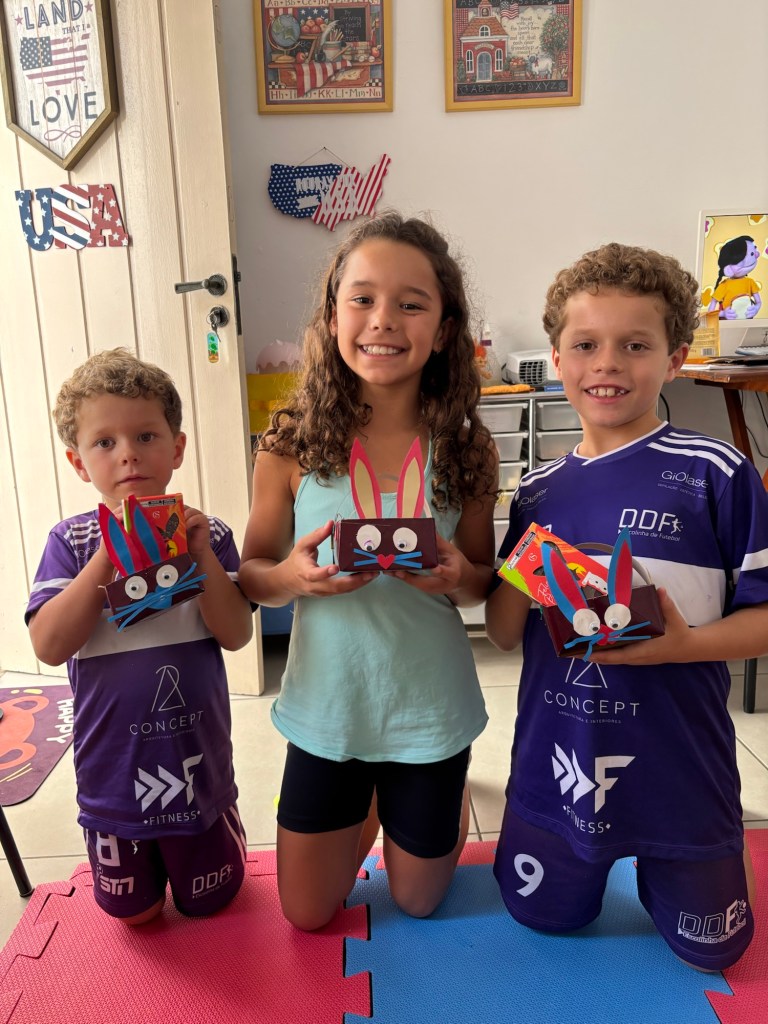
Our Easter Activity 🐣
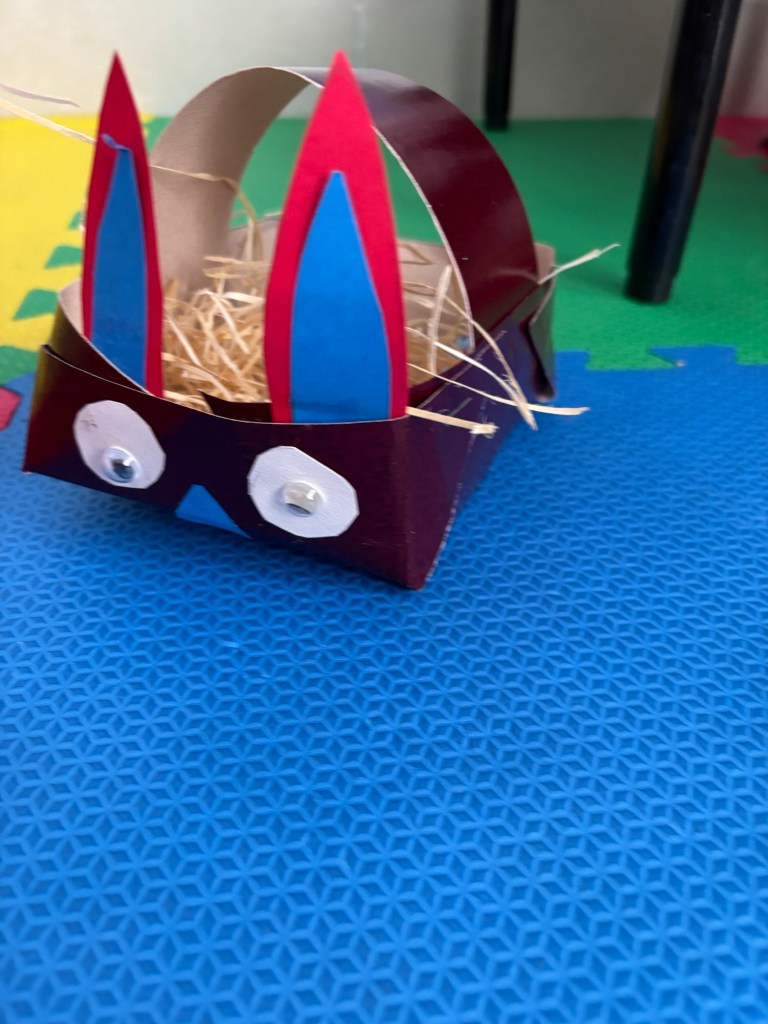
We prepared a basket, folding the paper very carefully, then we put a handle and next we glued the eyes, the nose, the ears, and the whiskers of our bunny.
How did you like it?
Easter Activity 🐣🐰
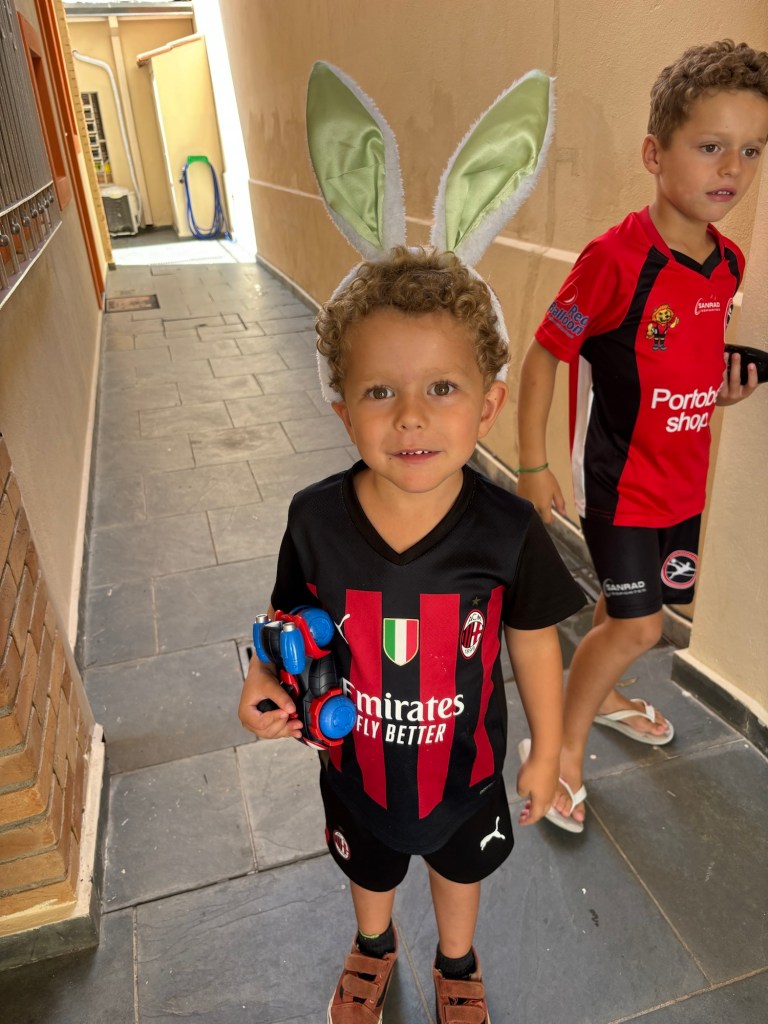
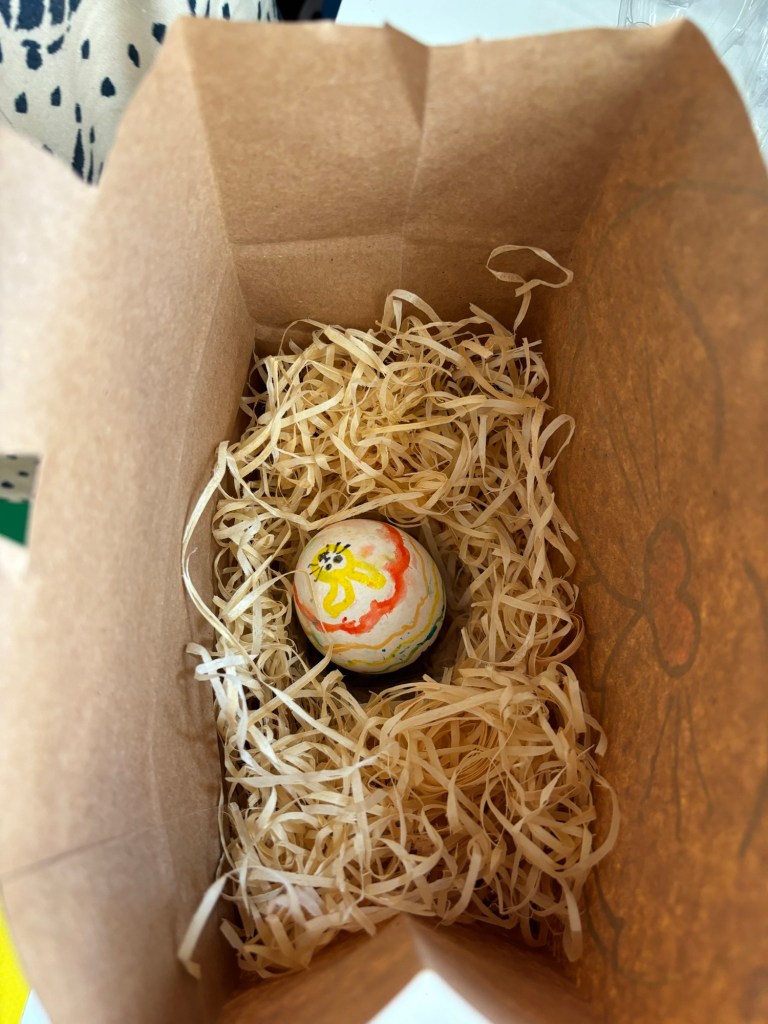
Everybody enjoyed the fun activity where they have to prepare their own baskets, to color the eggs and to have fun!


Toddlers Learning English
Children can learn a second language easily and enjoy it a lot.
Classes have to be funny and with hands on activities.
Interrogative Pronoun
Do you know how to use all the possibilities of How.
Here are some.

Some ways to use the interrogative pronoun HOW

10 Childhood Benefits Of Being Bilingual
By Nikita Gupta / July 12, 2021


Photo credit: www.growingupgupta.com
“Having your child learn two languages at the same time will confuse them, won’t it?” “You know that teaching your child multiple languages is just going to cause a speech delay?”
Have you heard these assertions too? These are common questions that many of us raising bilingual kids hear. The answer is “No” to all of the above. Learning two languages at the same time does not negatively affect speech development. On the contrary, it might help the child overcome the problem faster. To give you some assurance, here are ten benefits of being bilingual.Photo credit: www.growingupgupta.com
Benefits of Being Bilingual from a Young Age
1. Better concentration
When a bilingual child tries to speak, both languages compete to be spoken. The child has to quickly pick and suppress the other and switch between them in a second. This ability helps kids to focus better in a noisy class and mute all other irrelevant sounds.
2. Arithmetic and problem-solving
Bilingual kids have better mental alertness, which helps them to solve problems much easier. A study by psychologists Ellen Bialystok and Michelle Martin, shows that bilinguals have an easier time dividing objects by shapes and colors than their monolingual peers.
3. Creativity and ability to hypothesize
Since their brains are used to decoding and interpreting two or more languages, bilingual kids have an easier time coming up with and explaining scientific ideas.
4. Better language and vocabulary
Bilingual kids do better in word reading and spelling because of their understanding of sounds and tenses. This gives them an advantage over others when they start learning languages in class.
5. Brain exercise
In a bilingual child’s brain, both sides are always on alert and active even when they are speaking one language. The brains work a little bit more than a monolingual brain, which enhances their cognitive abilities.
6. Better communication
Multilingual kids have mastered the art of interpersonal understanding and listening, which makes them better communicators. This is more of a benefit of growing up in a multilingual environment where you have to listen to other’s perspectives and understand them.
7. Better memory
Learning two languages means you have to retain a lot of information and be ready to produce it at will. This helps kids with memory in school work as well as other important stuff like directions.
8. Faster response
Have you ever noticed that children take a while before responding to a command or an incident? Learning multiple languages forces the brain to quickly switch from one language to another, depending on who is speaking to you. As a result, the brain gets used to quick response and shorter reaction time.
9. Improved social life and better family connections
Speaking a second or third language opens up a whole new world out there to enhance your social skills. Being able to communicate with people from different cultures is a confidence boost and an ice breaker. It also helps to relate better with family members from that culture.
10. Open-mindedness
Multilingual kids are more open-minded and adaptable because you have already exposed them to a different level of tolerance. They are also more accepting and understanding of others, which translates to compassion and empathy.
At a young age, bilingual acquisition is as natural as learning how to walk or crawl. Kids who learn decoding skills in one language will easily translate to English or any other language. Multicultural parenting may not be the easiest, but it comes with many benefits for the children. As we have seen, there are multiple benefits of being bilingual.
A step-by-step guide to learning English with songs
Whatever type of music you’re into, learning English with songs will help you improve your listening and speaking skills, vocabulary and pronunciation.
1. Choose a song that’s in English
It can be any song at all. A song that you like, that you’ve listened to several times before. Have you found it? Great! Now …
2. Listen to the song
Do you understand all of the lyrics?
Probably not! But don’t worry – people hardly ever understand every word of a song the first time they hear it. The words have to fit the rhythm of the music, so they are often difficult to understand.
3. Read the lyrics
Find the lyrics online. Many music streaming services have a setting where you can listen and read the lyrics at the same time.
Listen to the song again while you read. Now it starts to make a bit more sense!
Make a note of new or interesting words and phrases. You don’t have to look up every single word in the dictionary. Try to learn five to ten new words per song.
4. Notice pronunciation
You may notice some strange-looking words! Some words in songs are written as they are pronounced.
‘Wanna’, for example, is an informal spelling of ‘want to’.
What about ‘gonna’ and ‘gimme’? What are these informal spellings of?
As you listen, notice how phrases are pronounced. This really helps you understand people when they’re talking fast.
5. Listen again and join in
As you listen, start to join in with the easier parts. Sing as quietly or as loudly as you want!
The chorus – the part of the song that is repeated several times – will probably be what you can sing along to first.
6. Sing along
Listen to the song a few more times, and each time join in with a little bit more.
By now the song is really in your head! You’re really feeling the rhythm of the music and the lyrics.
Tomorrow, next week or whenever you feel like learning a new song, do the same thing again. But don’t forget to come back to the old songs, especially your favourites.
 Paula Lyra ELT School