Where did you go?
What did you do?
Tell me about it!

Where did you go?
What did you do?
Tell me about it!

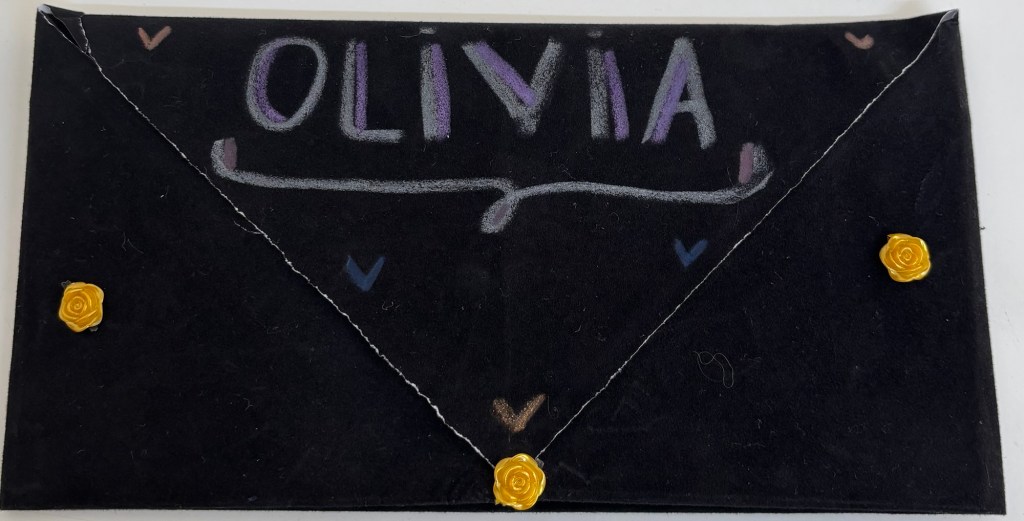
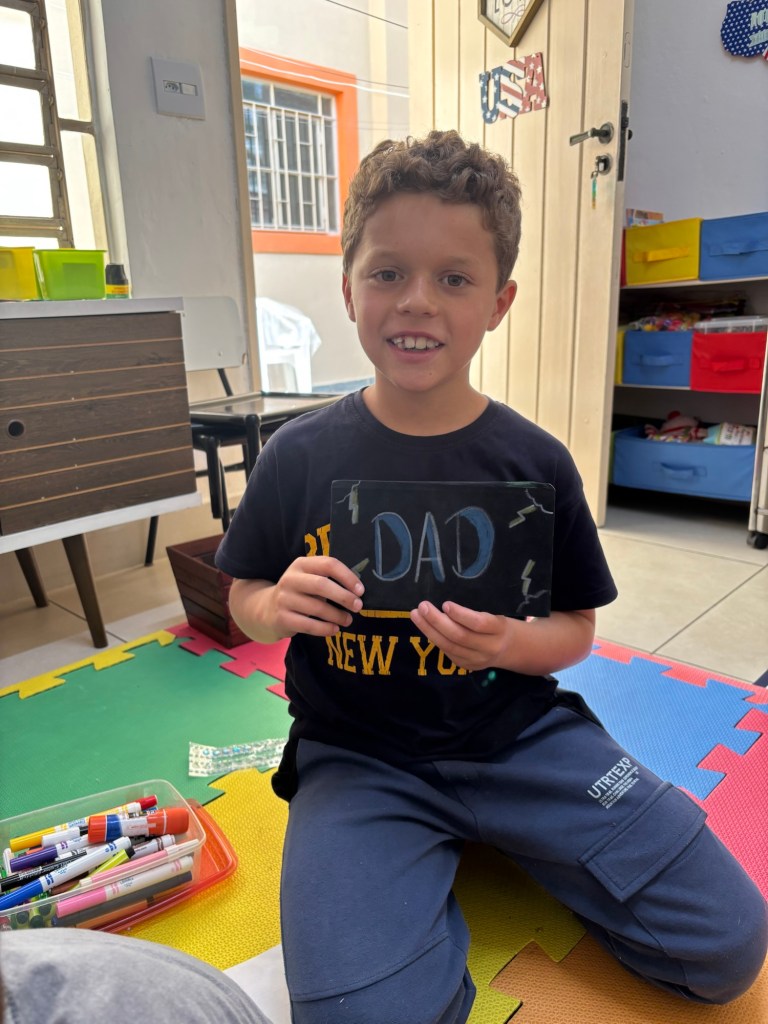
This year, we have prepared a beautiful card for dad with a nice poem, and a special envelope 
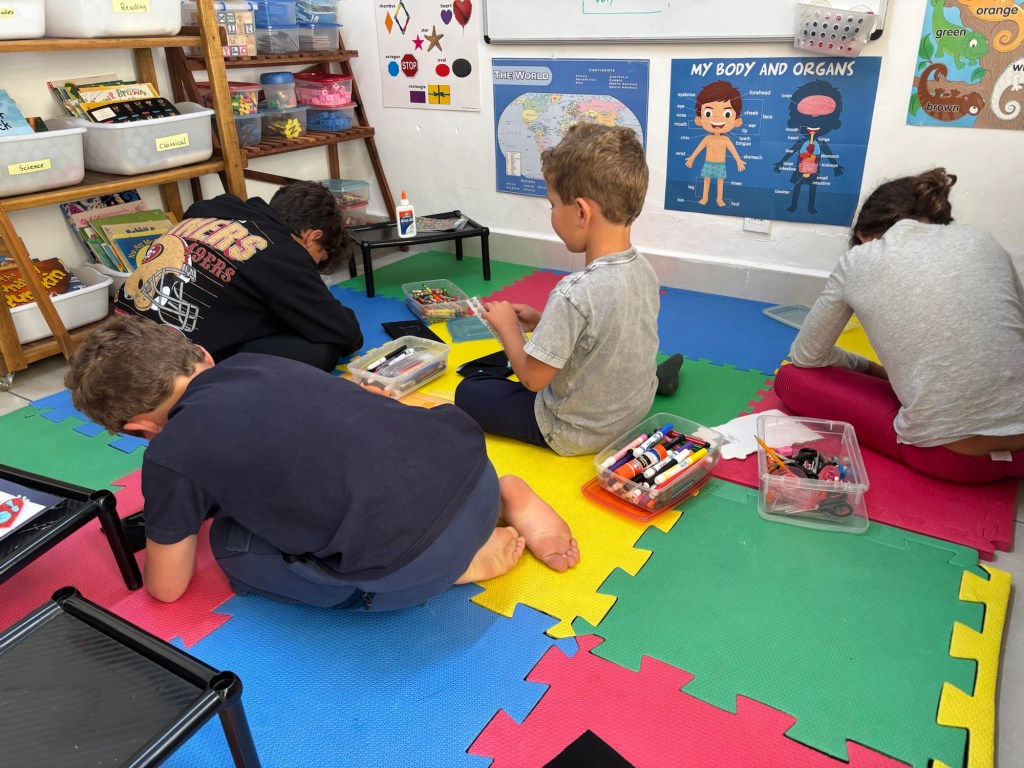


Children can learn a second language easily and enjoy it a lot.
Classes have to be funny and with hands on activities.
Learn about William Shakespeare, the world’s most famous playwright, and enjoy our colouring pages and printable activities, puzzles and worksheets.
Shakespeare Week is a national celebration of all things Shakespeare and a great excuse to read or watch plays (or poetry), discover some of the words that Shakespeare introduced to the English language, and learn about the man! Get involved from 20th to 26th March 2023. Or why not celebrate Shakespeare Day on his birthday, 23rd April?
William Shakespeare (1564–1616) was an English playwright, actor and poet, and is widely regarded as the greatest English writer of all time. His plays have been translated into more than 100 languages and continue to be performed around the world to this day. He also introduced nearly 3,000 words to the English language. Find out more about this talented man who continues to influence our lives over 400 years after his death.
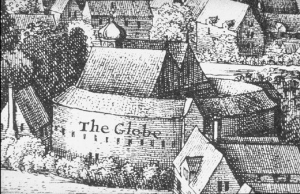
The original Globe Theatre
There are so many famous quotes from Shakespeare. Here are just a few of them:
“All that glitters is not gold.”
“If music be the food of love, play on.”
“To be, or not to be: that is the question.”
“To thine own self be true.”
“A fool thinks himself to be wise, but a wise man knows himself to be a fool.”
William Shakespeare was born 1564 in Stratford-upon-Avon, England. His father John was a leather merchant while his mother Mary was the daughter of wealthy farmer. William had two older sisters and three younger brothers.
William went to the local grammar school where he studied history, Greek and Latin. At 18, he married Anne Hathaway (aged 26) and the couple went on to have three children together – Susanna and twins Hamnet and Judith. Sadly their son Hamnet died, aged 11.
After the twins were born, William went to London to work as an actor, leaving the family behind. He joined an acting group called Lord Chamberlain’s Men. William also wrote plays for the group, which became very popular. Some of these early plays include The Taming of the Shrew, Richard III, Romeo and Juliet, and A Midsummer Night’s Dream. William wrote different types of plays – comedies (funny), tragedies (sad) and histories (about real people’s lives). Women weren’t allowed to act at the time, so men or young boys played the female roles!
Lord Chamberlain’s Men performed at a theatre built on land owned by Giles Allen. Although the group owned the theatre, when the land’s lease expired in 1597, Giles refused to let them perform and wanted to tear the theatre down. When negotiations failed, some of the actors devised a plan to dismantle the theatre and move it across the River Thames. They built a new theatre called the Globe, which could accommodate up to 3,000 people and became very popular. At the time, many people couldn’t read or write, so the Globe Theatre hung a flag outside to show what type of play was being performed – a comedy (white flag), a tragedy (black or dark flag), or a history (red flag).
In 1603, when James I became king, the Lord Chamberlain’s Men changed their name to the King’s Men and King James became the group’s patron. Many people think that some of William’s best plays were written during these years, many of them tragedies such as Hamlet, Othello, King Lear and Macbeth. William wrote nearly 40 plays as well as poetry, and poems called sonnets. His work combined with his property and land investments made him very wealthy. He bought a large house in Stratford-upon-Avon for his family, where he retired, aged 49.
In 1613, the Globe Theatre burned down when the thatched roof caught fire during a performance of Henry VIII. It was rebuilt the following year with a tiled roof, but was later demolished during the Puritan era (when all theatres were closed) to make room for housing. Some 350 years later, a modern version was built, opening in 1997 on the banks of the River Thames.
William died in 1616, but his legacy lives on. In fact, many of his words and phrases have become part of our everyday lives. Have you ever talked about ‘being in a pickle’ (being in trouble), going on a ‘wild goose chase’ (a search for something that isn’t there), having a ‘heart of gold’ (being kind) or trying to ‘break the ice’ (to strike up conversation with a stranger)? Then you are using the words and phrases of this great playwright!
Source: https://www.activityvillage.co.uk/william-shakespeare?awt_a=8YG5&awt_l=5S26Y&awt_m=IpVSHZyq2VDtG5
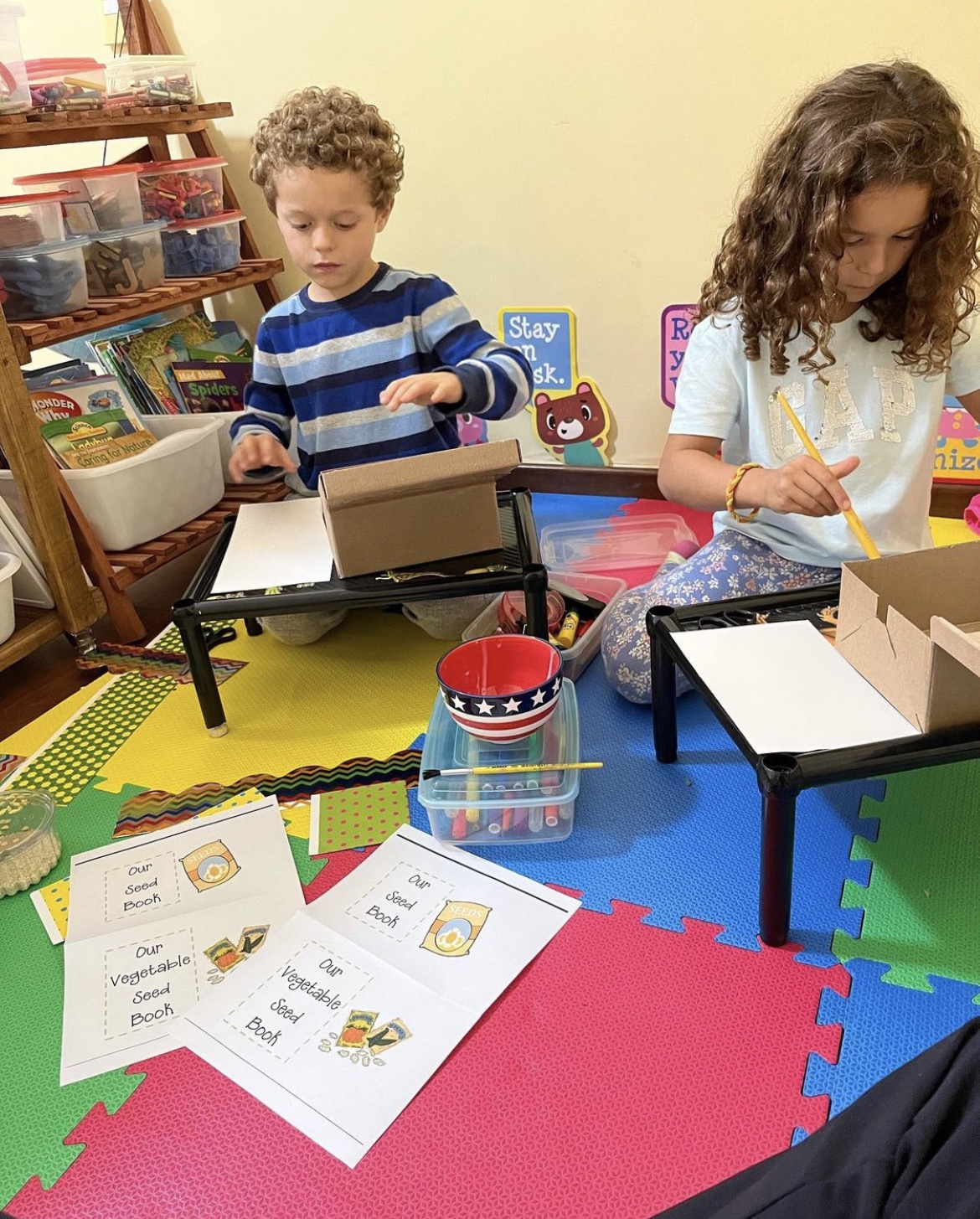
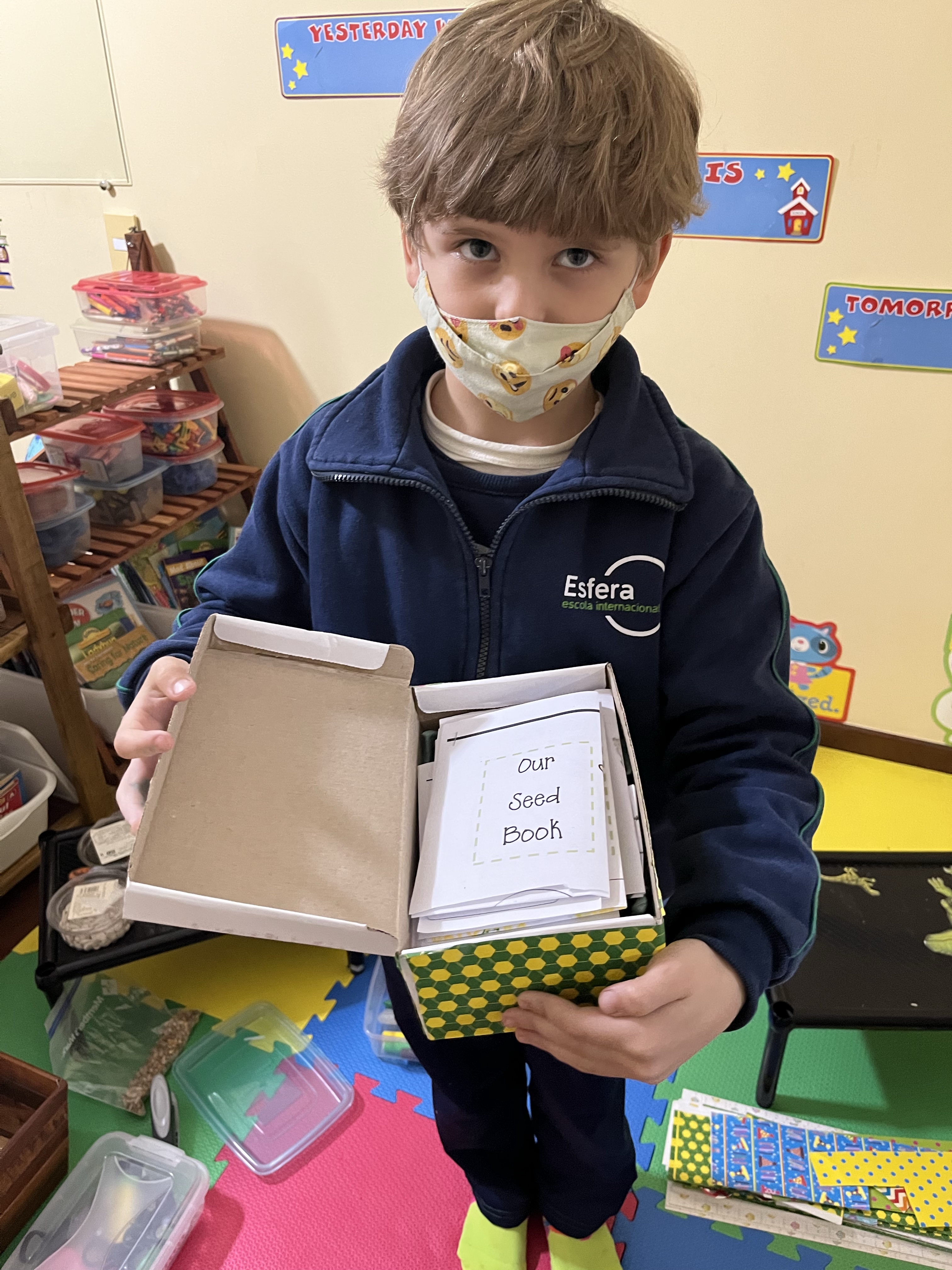
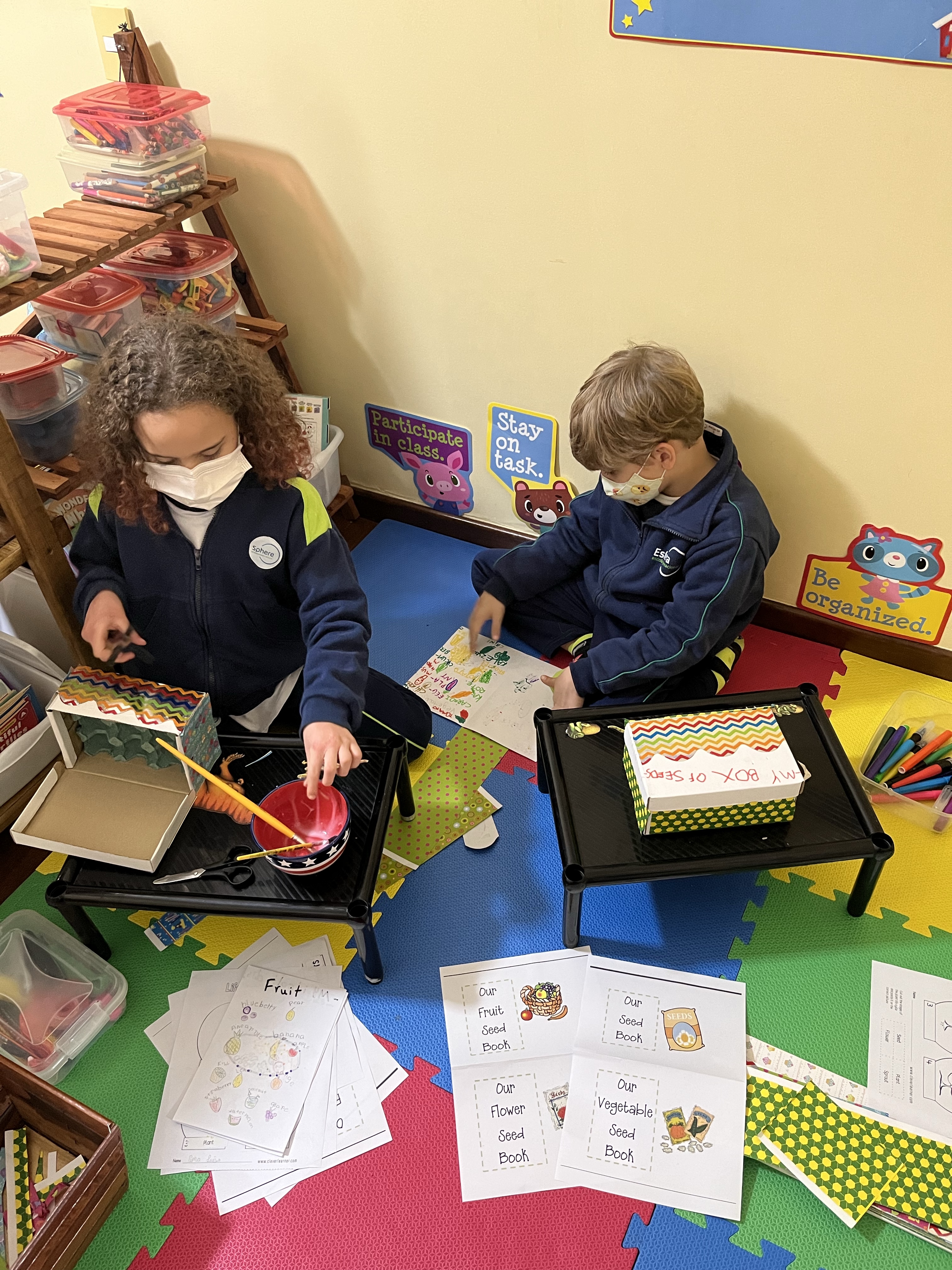
During the month of June, we learned a lot about seeds from fruit, vegetables, plants and flowers
We had fun preparing and decorating the boxes and filling them with seeds that we collected during our meals.

Rhymes can be used to teach new vocabulary and to enhance early reading skills in lots of ways.
Each rhyme is really a miniature story that children can act out, sing or retell from memory.
The students gain confidence in retelling each story to friends, parentes or in class.
When the children act out these short rhymes they are speaking, listening and moving.
Because they are short stories it is easy to memorize, take turns and participate.
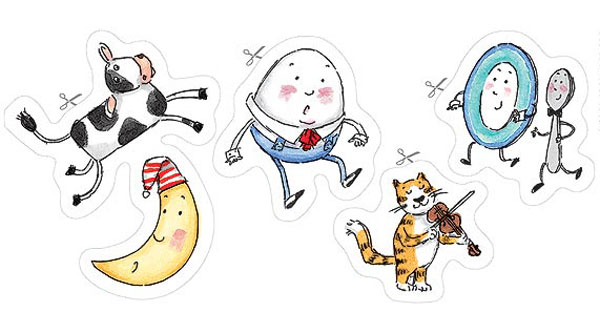
Here are some pictures of the characters from a variety of rhymes that could be used in many ways. As necklaces, finger puppets or stapled onto headbands or popsicle sticks.
So, let´s have fun and learn some nursery rhymes!
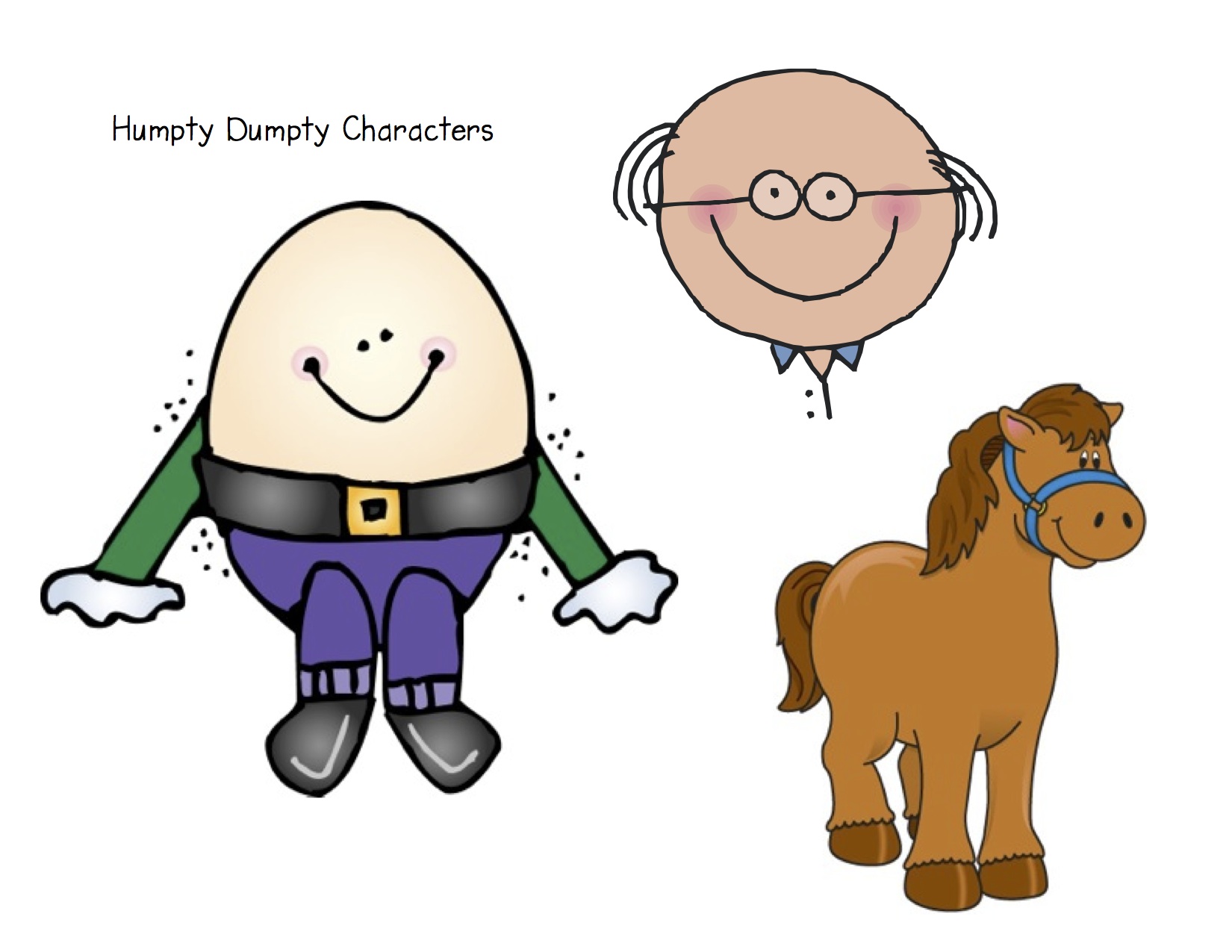


Children can manipulate these figures as they retell the rhyme.

Here is a summary of the stories.


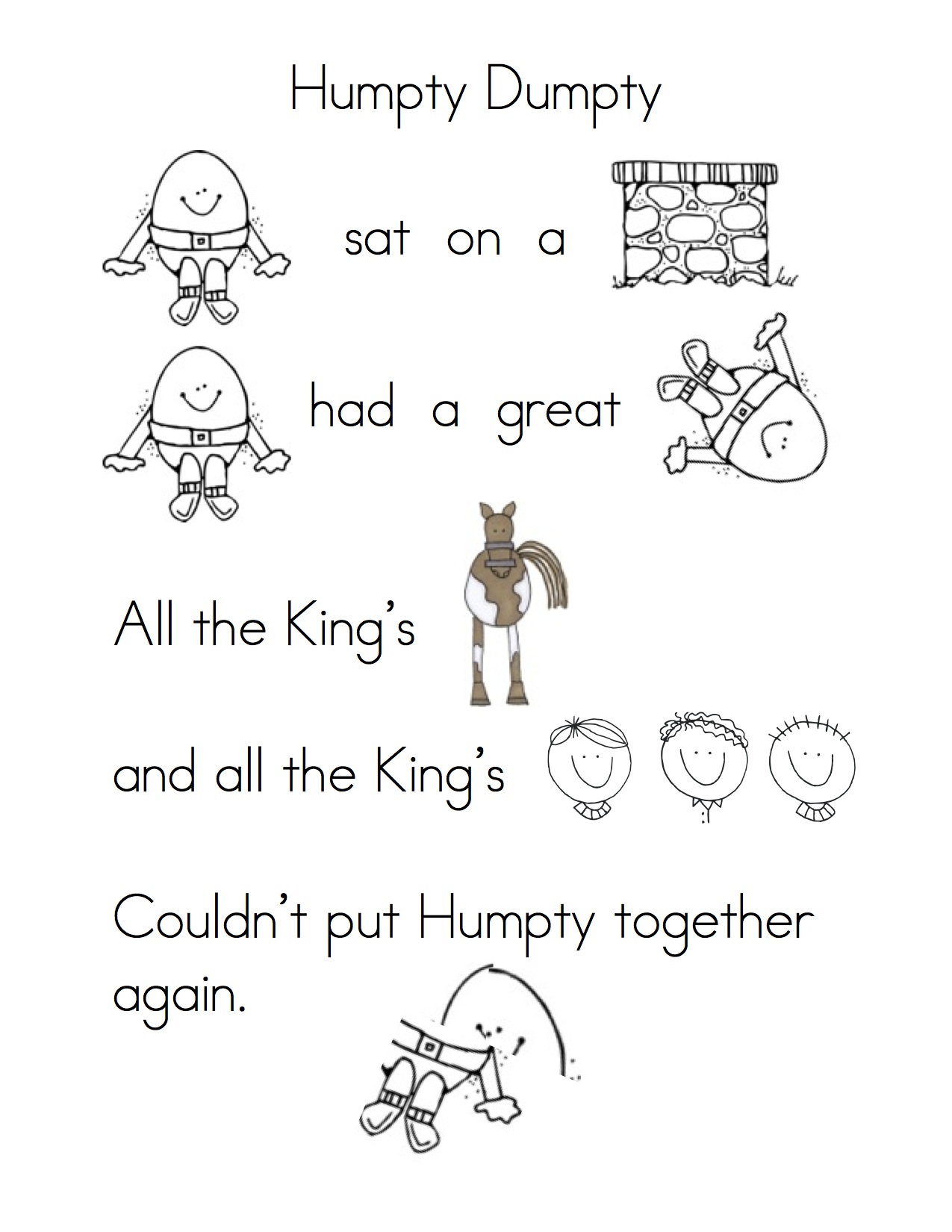

Nursery Rhymes provide great practice with concepts in early reading.
Because the children sing and memorize these rhymes most of them are successful “reading” them.


Esse será o ano chinês do Rato. Um animal silencioso, rápido e que sabe se multiplicar!
Seguem alguns provérbios chineses para inspiração nesse novo ano.
Some Chinese proverbs:
If you want happiness for an hour, take a nap. If you want happiness for a day, go fishing. If you want happiness for a year, inherit a fortune. If you want happiness for a lifetime, help somebody.
Keep a green tree in your heart and perhaps the singing bird will come.
When there is light in the soul there is beauty in the person. When there is beauty in the person, there is harmony in the home. When there is harmony in the home, there is honour in the nation. When there is honour in the nation, there is peace in the world.
If you chase two rabbits, both will escape.
A book is like a garden carried in the pocket.
A child’s life is like a piece of paper on which every person leaves a mark.
Be the first to the field and the last to the couch.
A bird does not sing because it has an answer. It sings because it has a song.
A bit of fragrance clings to the hand that gives flowers.
If you always give you will always have.
To succeed, consult three old people. Teachers open the door; you enter by yourself.
He who asks is a fool for five minutes, but he who does not ask remains a fool forever.
To know the road ahead, ask those coming back.

Source: Activity Village
Assista ao vídeo e entenda a história
 Paula Lyra ELT School