
Basic Vocabulary
Category Archives: curriculum
Our Easter Activity 🐣
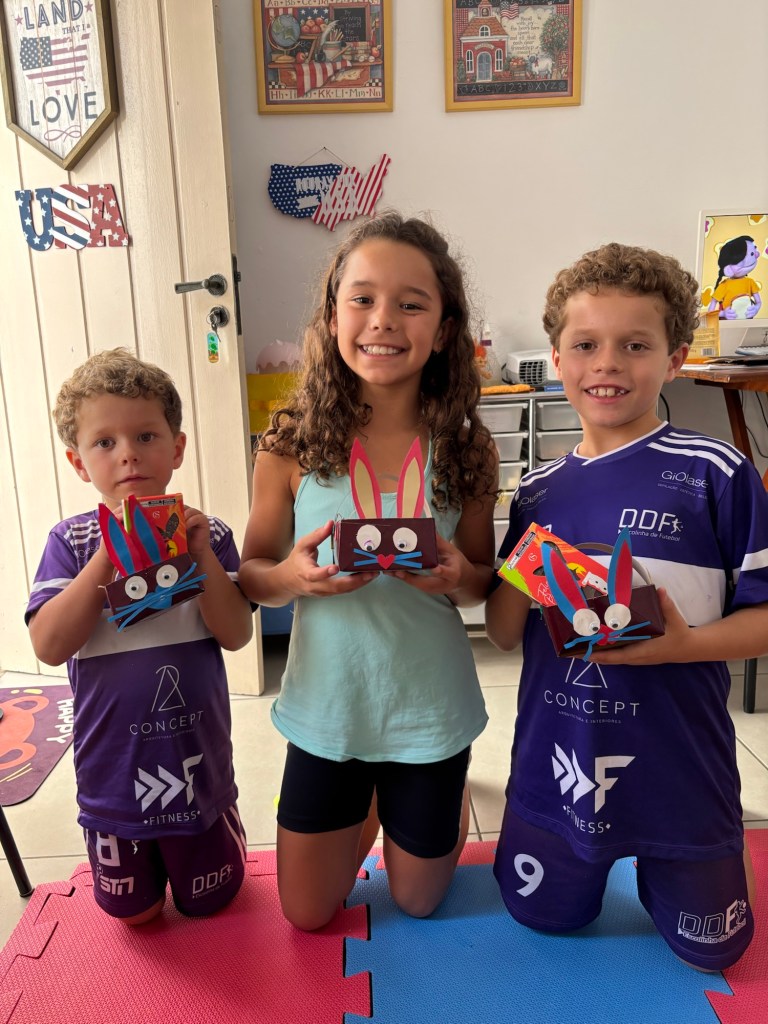
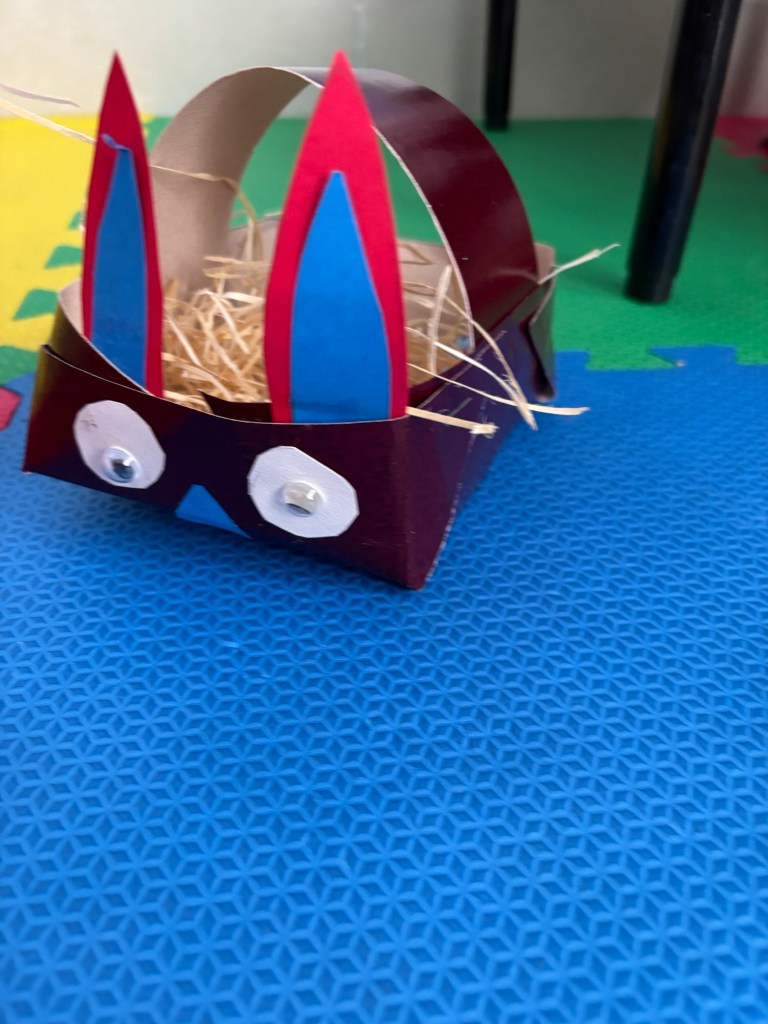
We prepared a basket, folding the paper very carefully, then we put a handle and next we glued the eyes, the nose, the ears, and the whiskers of our bunny.
How did you like it?
Easter Activity 🐣🐰
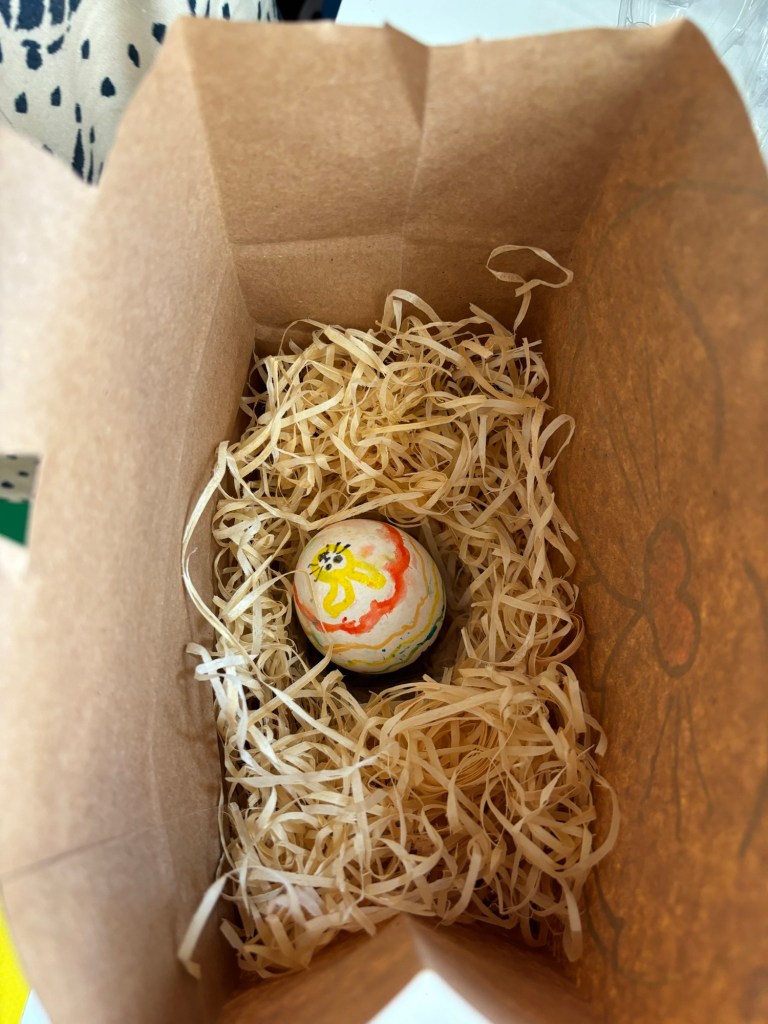
Everybody enjoyed the fun activity where they have to prepare their own baskets, to color the eggs and to have fun!


Earth Day today!
Let’s celebrate!
Earth Day, which was established in 1970 in the US, is celebrated on 22nd April each year. It is a day to think about our planet and what we can do to keep it special; to think about saving water and energy, reducing pollution, recycling, protecting our animals, trees and plants, and generally getting kids interested in protecting their environment.
“Treat the Earth well. It was not given to you by your parents, it was loaned to you by your children.
Kenyan proverb

Here are some quick ideas for celebrating Earth Day with your children:
- Plant a tree
- Go for a bike ride or a long walk (leave the car behind)
- Hold a nature “scavenger hunt” (send the kids out into the garden or park in teams to collect – or spot – various items on a list you provide – we have some scavenger hunt printables you can use here!)
- Print out some of our posters and place in strategic positions around the house. Talk about saving water when brushing teeth and saving energy by turning off the lights when you leave a room
- Bake your favourite cookie or biscuit recipe and let the kids decorate with icing to look like the planet earth
- Gather family and friends together and combine a picnic or other excursion with a litter clean-up
- Set up a recycling centre in your home or school
- Look through your shelves and find some books to give away via your local charity shop or library
- Delve into your craft cupboard and tackle a recycling craft for fun!
Source: https://www.activityvillage.co.uk/earth-day?awt_a=8YG5&awt_l=5S26Y&awt_m=IpVSHZyq2VDtG5
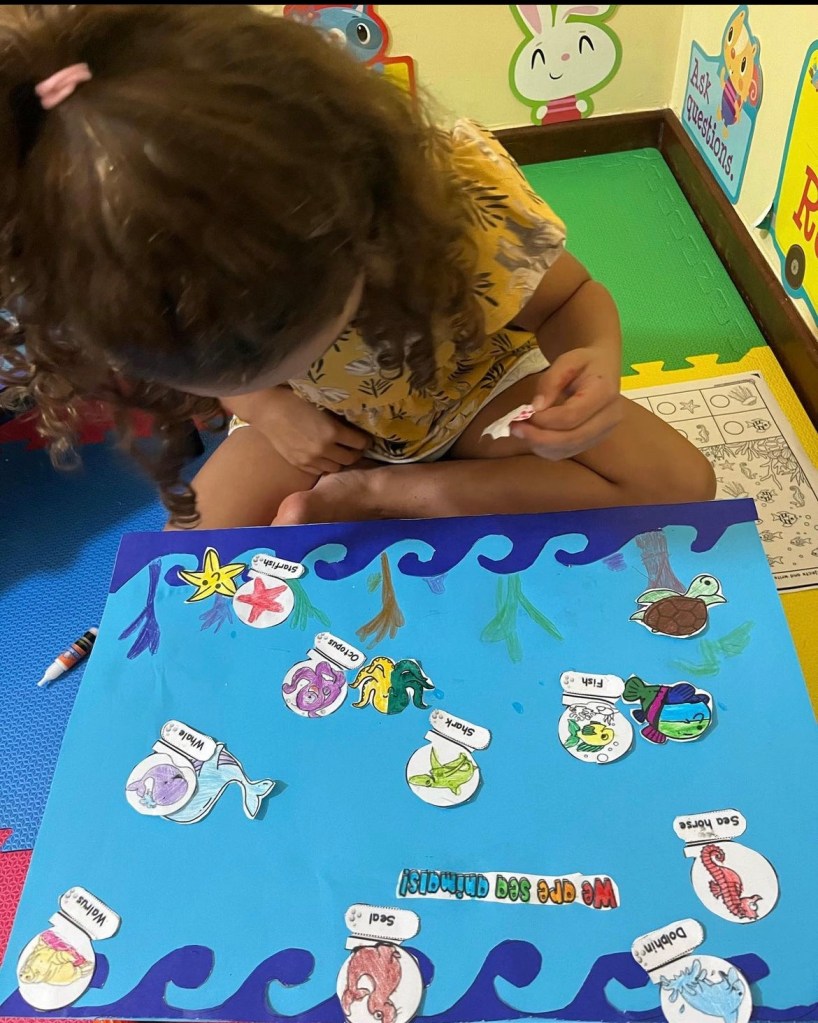
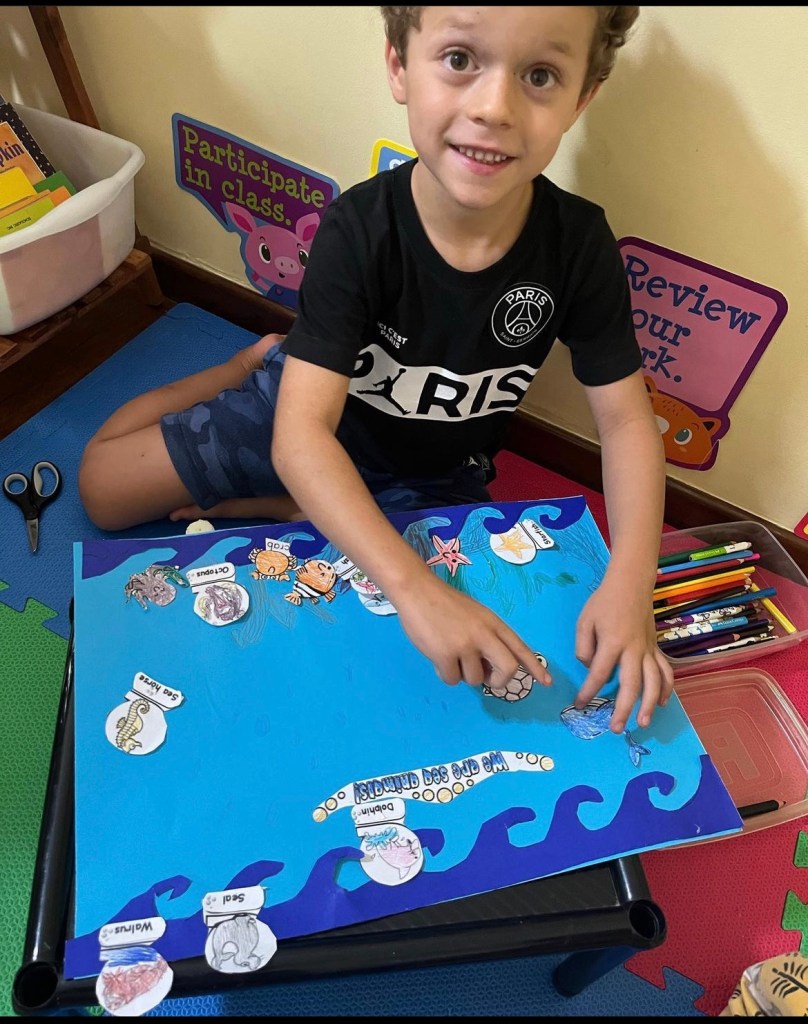
Sea Animals
The Universe
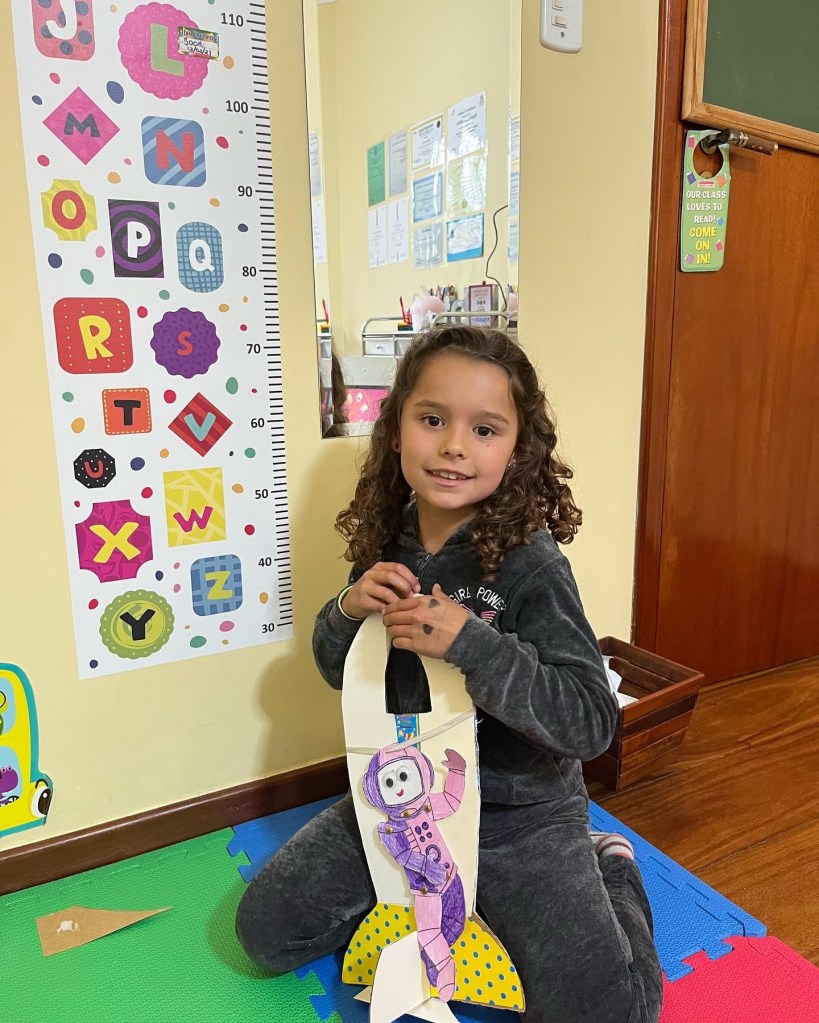
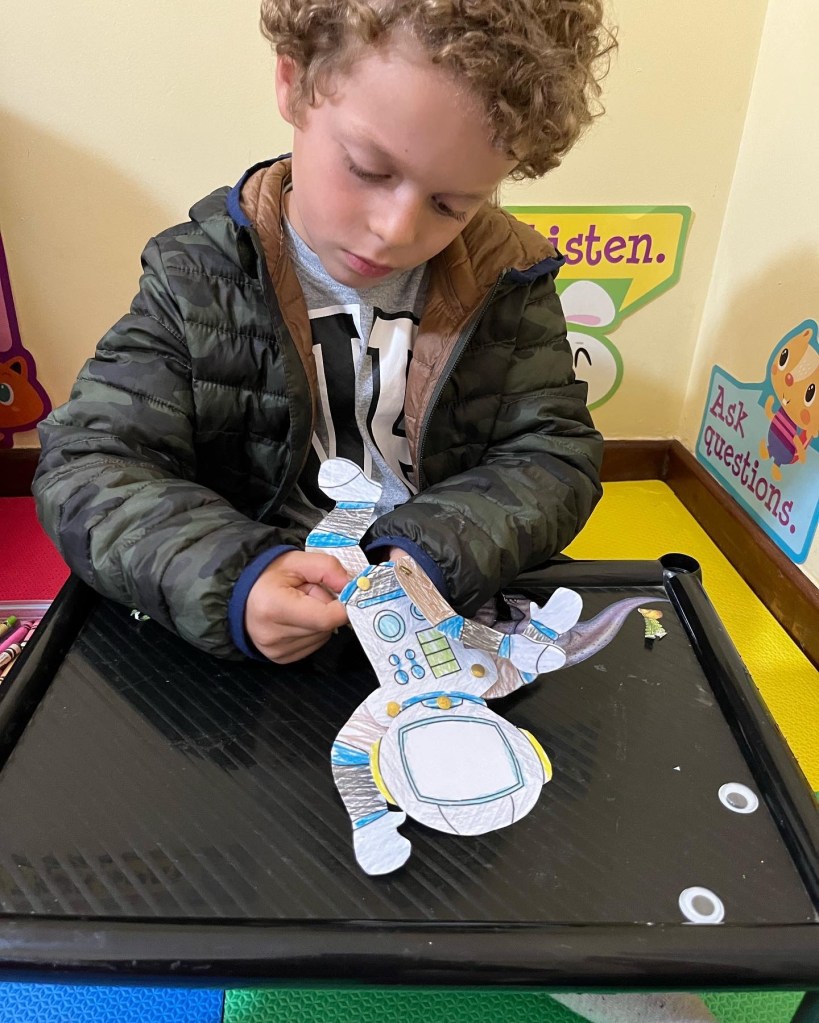
We are studying about the universe: the comets, the planets, the asteroids, spaceships, and we are having fun ! 🚀 🌎 👩🚀 💫 ⭐️

The origins of English
The story of the English language began in the fifth century when Germanic tribes invaded Celtic-speaking Britain and brought their languages with them. Later, Scandinavian Vikings invaded and settled with their languages too. In 1066 William I, from modern-day France, became king, and Norman-French became the language of the courts and official activity. People couldn’t understand each other at first, because the lower classes continued to use English while the upper classes spoke French, but gradually French began to influence English. An estimated 45 per cent of all English words have a French origin. By Shakespeare’s time, Modern English had developed, printing had been invented and people had to start to agree on ‘correct’ spelling and vocabulary.
Nursery Rhymes
Rhymes can be used to teach new vocabulary and to enhance early reading skills in lots of ways.
Each rhyme is really a miniature story that children can act out, sing or retell from memory.
The students gain confidence in retelling each story to friends, parentes or in class.
When the children act out these short rhymes they are speaking, listening and moving.
Because they are short stories it is easy to memorize, take turns and participate.
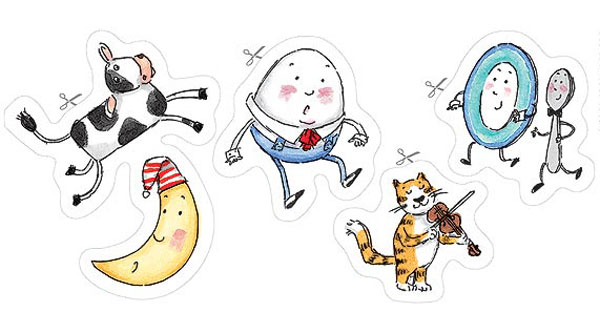
Here are some pictures of the characters from a variety of rhymes that could be used in many ways. As necklaces, finger puppets or stapled onto headbands or popsicle sticks.
So, let´s have fun and learn some nursery rhymes!
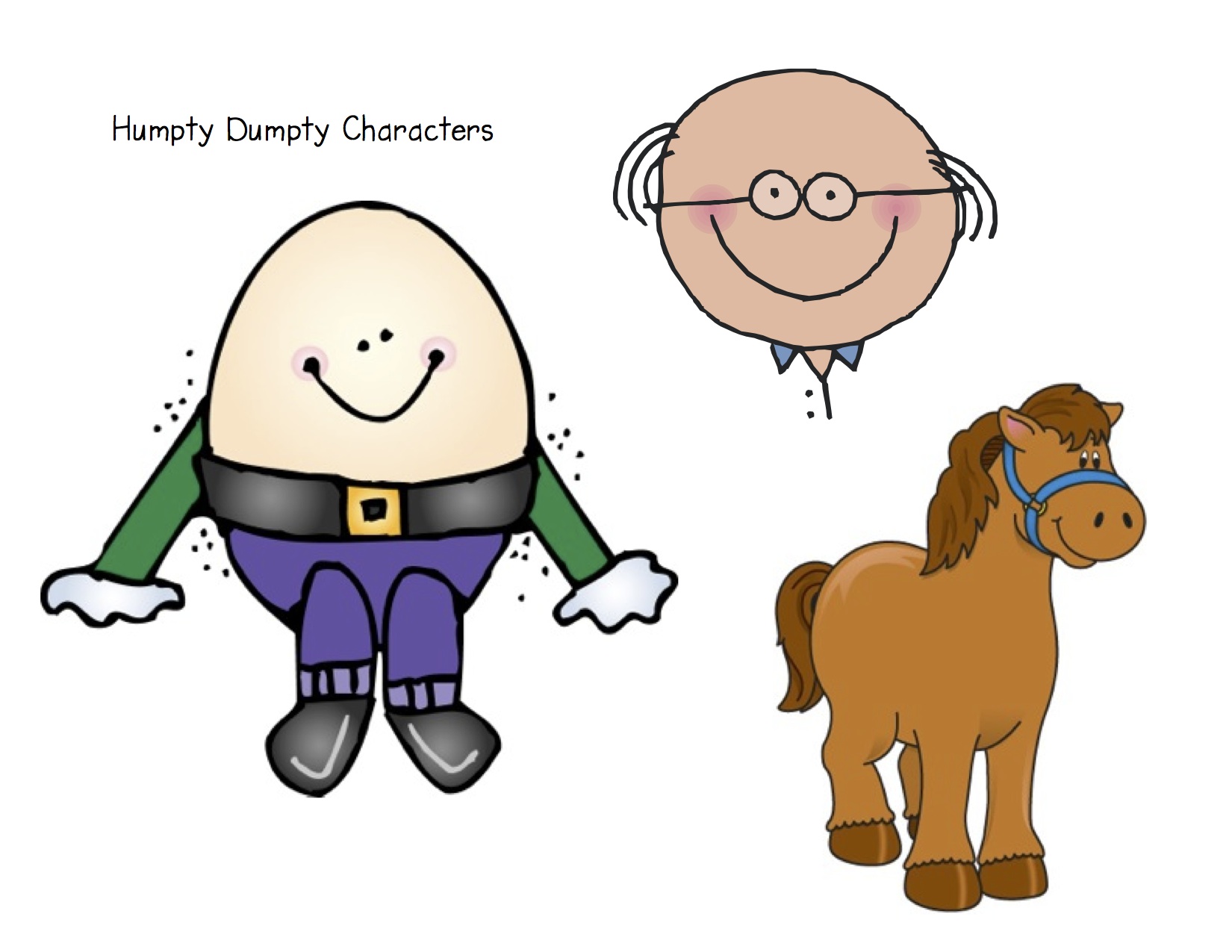


Children can manipulate these figures as they retell the rhyme.

Here is a summary of the stories.


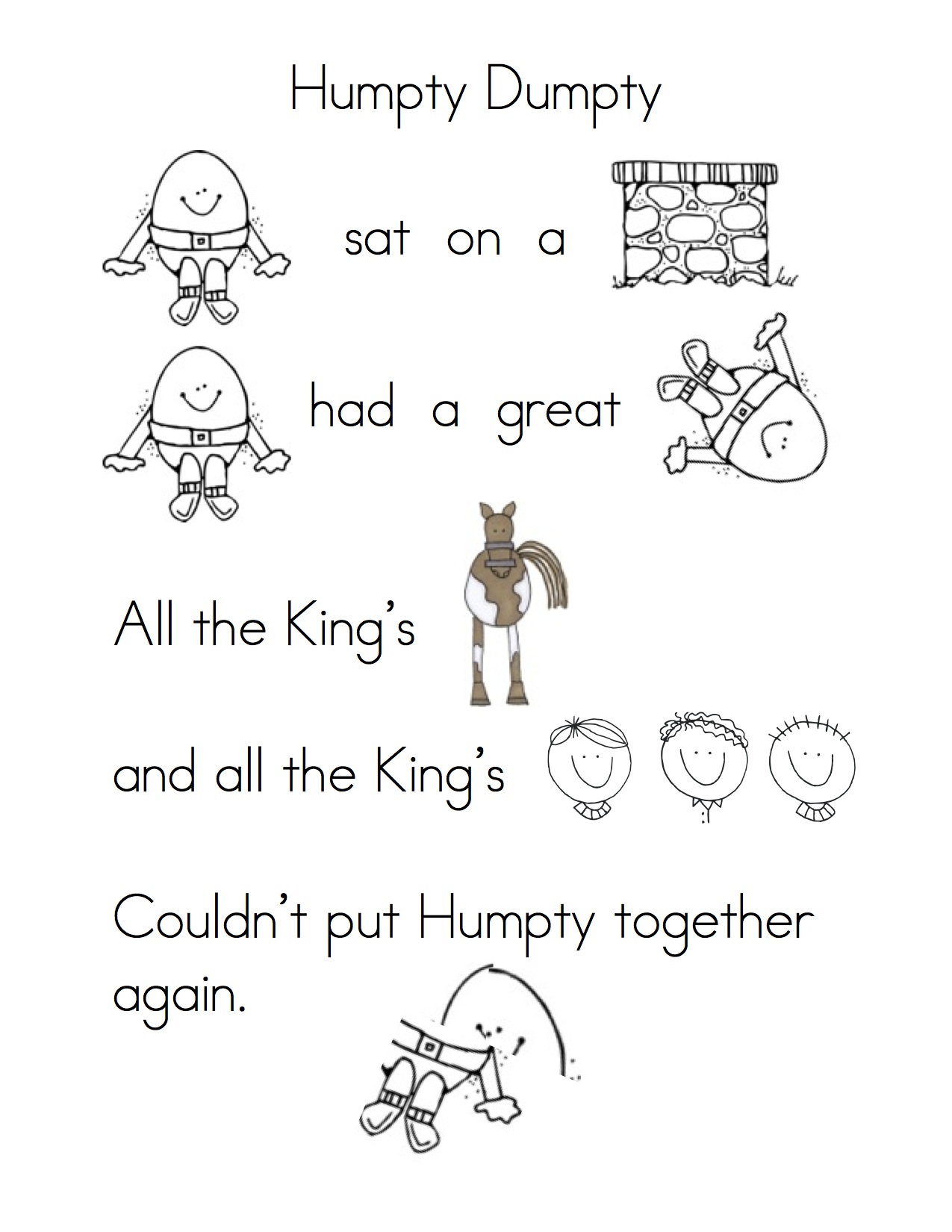

Nursery Rhymes provide great practice with concepts in early reading.
Because the children sing and memorize these rhymes most of them are successful “reading” them.


A Message to ESL Teachers.
Learning in a second language can be challenging, but you as a language-aware teacher can make a big difference. Here’s a summary of the main ideas:
- Language is more than vocabulary, grammar and spelling. It is shaped by discourses, genre conventions and context.
- Students need control of both the everyday interpersonal register and the more formal academic register to succeed in school.
- Language learners will come from a variety of circumstances with a variety of resources, so don’t make assumptions about their needs.
- Don’t leave it to osmosis – plan for language learning as well as curriculum learning.
- Keep the focus on making meaning, not on correctness.
- Encourage repetition, recycling and redundancy.
- Use visuals and gestures to support language learners.
- In your talk and classroom resources, aim for ‘comprehensibility plus’.
- Welcome your students’ first languages into the classroom.
- Plan different spaces and activities for different types of talk.
- Give language learners a bit more wait time.
- Understand the particular language demands of your curriculum area.
- Build the genre cycle into your lesson planning.
- Let students into the secrets of genre conventions.
- Use feedback on students’ work as an opportunity for language learning.
- Observe how your language learners are progressing, and plan for the next stage.
© University of Glasgow
Devemos traduzir para o aluno?
Estudos comprovam que o uso na 1ª língua ajuda aos alunos a compreender melhor o significado das palavras na 2ª língua. Esse processo chama-se Translinguagem!
In English
Recently, there has been a growing recognition that our language learners’ educational outcome may in fact be improved if they are given support in their own first language alongside their English language development. Despite this, some teachers and parents still fear that by supporting bilingual pupils’ first language their development of English will suffer. Evidence suggests that this is not the case. Rather, acknowledging and incorporating the use of our language learners’ first language in the classroom as a learning resource offers a positive move towards building a more supportive learning environment. This is called translanguaging.
Source: https://www.futurelearn.com/courses/tesol-strategies/4/steps/600471
 Paula Lyra ELT School