Final da Colônia de Férias

Nossos projetos, brincadeiras, teatro, cinema e jogos chegaram ao fim.
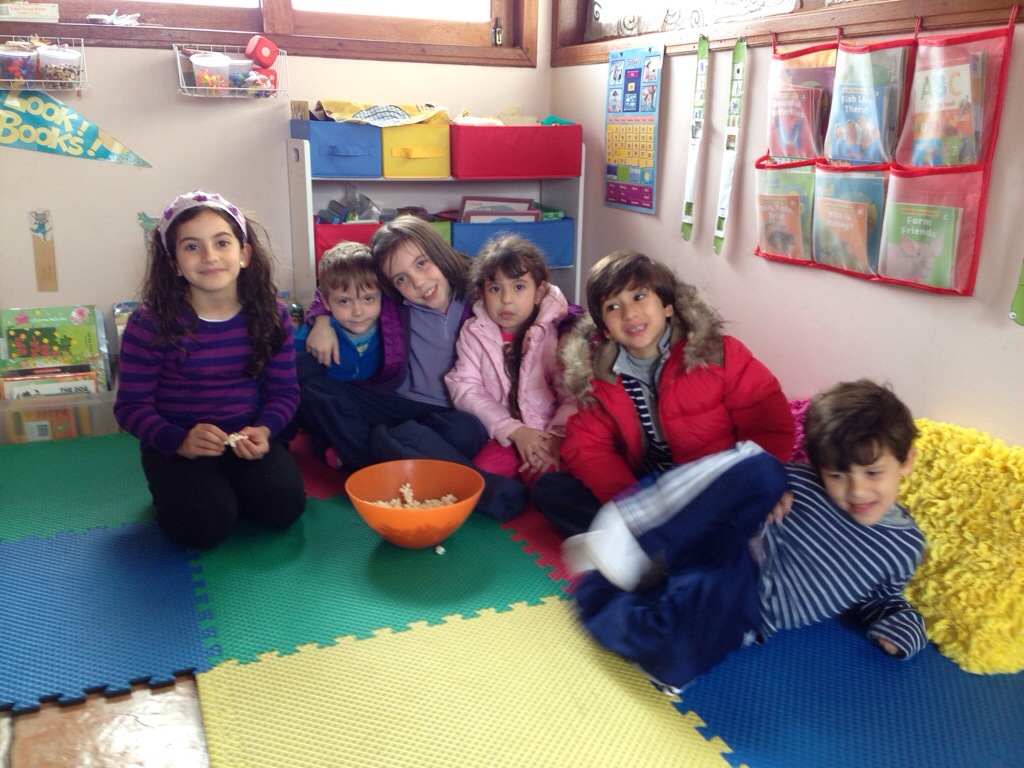
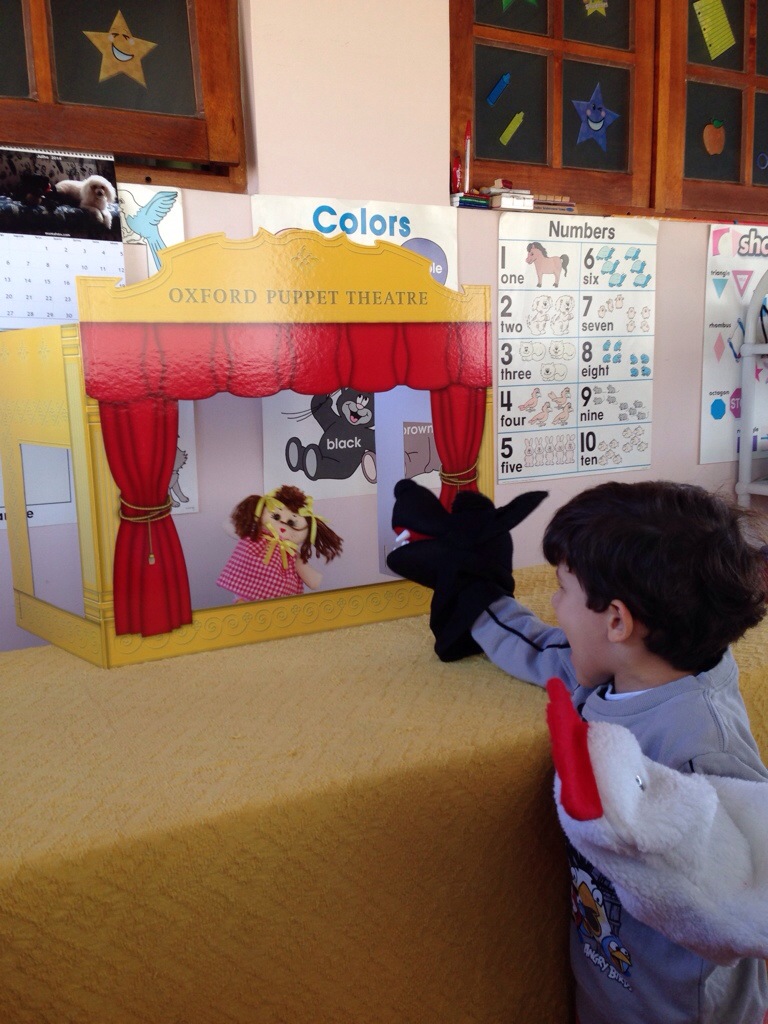
Tivemos uma temporada muito proveitosa e aprendemos sobre ecossistemas, brincamos com fantoches, jogamos games, assistimos a um vídeo e comemos pipoca.
Gostaria de agradecer a todos pela presença e aos amigos novos que apareceram e
que nos alegraram mais ainda nas aulas.
Agora temos um novo semestre pela frente com mais atividades e conquistas.
E vamos em frente.

20140731-195148-71508842.jpg

20140731-195147-71507946.jpg

20140731-195147-71507029.jpg

In English
Our projects,, theater, film and games come to an end.
We had a very fruitful season and learned about ecosystems, played with puppets, with games, watched a video and ate popcorn.
I would like to thank everyone for coming, especially the new friends who came and cheered our classes even more.
Now we have a new semester ahead with more activities and achievements.
And let’s move on.

Como Smart Phones podem ajudar nas aulas de Inglês?

Smart Phones are here to stay. They can help students and teachers to create tools and new strategies for the classes

Here are ten tips from Kenneth Beare on how to use them to help improve English Studies.

dscn04171.jpg

1. Use smart phones for vocabulary exercises with Google image search. 

A picture is worth a thousand words. I like to use my smart phone, or have students use their smart phone to look up specific nouns on Google images or another search engine. You’ve all seen how a visual dictionary can greatly improve vocabulary retention. With smart phones, we have visual dictionaries on steroids.

2. Use smart phones for translation, but only at a specific time.

I try to encourage students to read using three phases. 1) Read for gist – no stopping! 2)Read for context – How can the words surrounding unknown words help with understanding? 3) Read for precision – explore new vocabulary using a smart phone or dictionary. Only in the third phase do I allow smart phone use. Students are pleased because they can look up words. However, they’re developing good reading skills by not immediately translating every word they do not understand.

3. Use smart phones for communicative activities using apps.

We all communicate with our smart phones in different ways depending on different apps. In other words, texting with a messaging app is bound to be different than writing an email on your computer. Take advantage of this and promote activities that are specific to a given context. One example might be to have students text each other to complete a given task.


4. Use smart phones for help with pronunciation.

This is one of my favorite uses of smart phones in class. Model pronunciation for them. For example, focus on suggestions. Ask students to open a recording app. Read five different ways to make a suggestion aloud. Pause between each suggestion. Have students go home and practice mimicking your pronunciation in the pause between each suggestion. There are many, many variations on this theme. 

Another great use for pronunciation is to have students change the language to English and try to dictate an email. They’ll have to work really hard at word level pronunciation in order to get the desired results.

5. Use smart phones instead of a thesaurus.

Have students search on the phrase “words like …” and a host of online offerings will appear. Encourage students to use their smart phones during writing class in this manner while focusing on developing a wider range of vocabulary. For example, take a simple sentence such as “The people spoke about politics.” Ask students to come up with a number of versions using their smart phones to find substitutes for the verb “speak.”

6. Use smart phones to play games.

Yes, yes, I know. This is something we shouldn’t encourage in class. However, you might encourage students to write down phrases they experience while playing games to bring into class to discuss in more detail. There are also a number of word games such as Scrabble or word search puzzles that are actually instructive as well as fun. You can make room for this in your class as a “reward” for completing a task, just make sure to tie it to some sort of report back to the class.

7. Encourage students to use smart phones to keep track of vocabulary.

There are a wide variety of MindMapping apps available, as well as a myriad of flash card apps. You can even create your own flash cards and have students download your set of cards to practice in class. 

8. Use smart phones for writing practice.

Have students write emails to each other in order to complete a specific task. Change up the tasks to practice different types of register. For example, one student might write a product inquiry with another student replying to the inquiry with a follow-up email. This is nothing new. However, just using their smart phones can help motivate the students to complete the task.

9. Use smart phones to create a narration.

This is a variation on writing emails. Have students choose photos they have taken and write a short story describing the photos they have chosen. I find that by making in personal in this manner, students engage more deeply with the task.

10. Use smart phones to keep a journal.

One more writing exercise for the smart phone. Have students keep a journal and share it with the class. Students can take photos, write descriptions in English, as well as describe their day.

Source: http://esl.about.com/od/modernteachingtechniques/fl/Using-a-Smart-Phone-to-Teach-English.htm?nl=1


Em Português

Telefones inteligentes ou Smart Phones estão aqui para ficar. Eles podem ajudar os alunos e professores a criar ferramentas e novas estratégias para as classes.

  Aqui estão dez dicas de Kenneth Beare de como usá-las para ajudar a melhorar os estudos de inglês.

1. Use Smart Phones para exercícios de vocabulário com a pesquisa de imagens do Google.

Uma imagem vale mais que mil palavras. Eu gosto de usar o meu telefone inteligente, ou que os alunos usam seu telefone inteligente para procurar nomes específicos em imagens do Google ou outro motor de busca. Vocês todos já vimos como um dicionário visual pode melhorar muito a retenção de vocabulário. Com os telefones inteligentes, temos dicionários visuais sobre esteróides.

2. Use Smart Phones para a tradução, mas apenas em um momento específico.

Eu tento incentivar os alunos a ler usando três fases. 1) Leia por essência – sem parar! 2) Leia para o contexto – Como podem as palavras em torno palavras desconhecidas ajudar com o entendimento? 3) Leia de precisão – explorar novo vocabulário usando um telefone inteligente ou dicionário. Apenas na terceira fase que eu permitir que o uso do telefone inteligente. Os alunos estão satisfeitos, porque eles podem procurar palavras. No entanto, eles estão desenvolvendo boas habilidades de leitura por não imediatamente traduzir cada palavra que eles não entendem.

3. Use Smart Phones para atividades comunicativas usando apps.

Todos nós comunicamos com nossos telefones inteligentes de maneiras diferentes, dependendo de diferentes aplicativos. Em outras palavras, mensagens de texto com um aplicativo de mensagens é obrigado a ser diferente do que escrever um e-mail no seu computador. Aproveite esta e promover atividades que são específicas para um determinado contexto. Um exemplo poderia ser a de que os alunos de texto uns aos outros para completar uma determinada tarefa.

4Use Smart Phones para ajudar com pronúncia.

Este é um dos meus usos favoritos de telefones inteligentes em sala de aula. Pronúncia modelo para eles. Por exemplo, o foco em sugestões. Peça aos alunos para abrir um aplicativo de gravação. Leia cinco maneiras diferentes de fazer uma sugestão em voz alta. Pausa entre cada sugestão. Peça aos alunos que ir para casa e praticar imitando a sua pronúncia na pausa entre cada sugestão. Há muitas, muitas variações sobre o tema.

Outra grande utilidade para pronúncia é ter estudantes alterar o idioma para Inglês e tentar ditar um e-mail. Eles vão ter que trabalhar muito duro ao nível da palavra pronúncia, a fim de obter os resultados desejados.

5Use Smart Phones em vez de um dicionário de sinônimos.

Peça aos alunos pesquisar na frase “palavras como …” e uma série de ofertas on-line aparecerá. Encoraje os alunos a usar seus telefones inteligentes durante a escrita de classe desta maneira enquanto se concentra no desenvolvimento de uma ampla gama de vocabulário. Por exemplo, pegue uma frase simples como “O povo falou sobre política.” Peça aos alunos para chegar a um número de versões que usam seus telefones inteligentes para encontrar substitutos para o verbo “falar”.

6UseSmart Phones para jogar.

Sim, sim, eu sei. Isso é algo que não deve encorajar na aula. No entanto, você pode incentivar os alunos a escrever frases que experimentam durante os jogos para trazer para a aula para discutir com mais detalhes. Há também uma série de jogos de palavras, como Scrabble ou da busca da palavra quebra-cabeças que são realmente instrutivo, bem como divertido. Você pode abrir espaço para isso na sua classe como uma “recompensa” para completar uma tarefa, apenas certifique-se para amarrá-lo a algum tipo de relatório para a classe.

7. Incentivar os alunos a usar Smart Phones para manter o controle de vocabulário.

Há uma grande variedade de aplicativos disponíveis MindMapping, bem como uma infinidade de aplicações de cartões flash. Você pode até mesmo criar seus próprios cartões de memória flash e peça aos alunos fazer o download do conjunto de cartas para a prática em sala de aula.

8Use Smart Phones para escrever prática.

Peça aos alunos que escrever e-mails uns para os outros, a fim de completar uma tarefa específica. Mude as tarefas para praticar diferentes tipos de registo. Por exemplo, um aluno pode escrever um inquérito produto com outro aluno responder ao inquérito com um e-mail follow-up. Isso não é novidade. No entanto, apenas usando seus telefones inteligentes podem ajudar a motivar os alunos para completar a tarefa.

9. Use Smart Phones para criar uma narração.

Esta é uma variação sobre a escrita de e-mails. Peça aos alunos escolher as fotos que tomaram e escrever um conto descrevendo as fotos que eles escolheram. Acho que fazendo em pessoal desta forma, os alunos se envolver mais profundamente com a tarefa.

10. Use Smart Phones para manter um diário.

Mais um exercício de escrita para o telefone inteligente. Peça aos alunos manter um diário e compartilhá-lo com a classe. Os alunos podem tirar fotos, escrever descrições em Inglês, bem como descrever o seu dia.

Fonte: http://esl.about.com/od/modernteachingtechniques/fl/Using-a-Smart-Phone-to-Teach-English.htm?nl=1
Como funciona a aprendizagem em Língua Inglesa

Tanto adultos como crianças não mantêm a atenção por muito tempo em algo que seja chato ou desinteressante.

Para que uma aula seja envolvente e  seu conteúdo aprendido e fixado, não necessariamente esta atividade precisa ser monótona com exercícios de lousa ou de caderno.

Quando alguma atividade acontece em sala de aula, mesmo que esta não envolva leitura, mas que as orientações sejam dadas em Inglês, já se trata de uma aprendizagem.

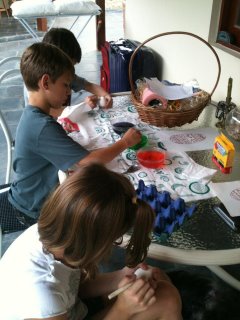
Ao desenvolvemos um jogo, um artesanato, ou assistimos à um vídeo; se essas atividades estiverem acontecendo em Inglês o aprendizado também está acontecendo em paralelo, mas de uma maneira envolvente. Easter Egg Coloring

O ser humano tem diferentes formas de aprender: visual, auditiva, linguística, sinestésica, musical, espacial, lógica e matemática. Todas estas formas devem ser estimuladas durante a aprendizagem para que essa seja facilitada. Através de diferentes tipos de exercícios ao longo das aulas, este objetivo é alcançado de uma maneira gostosa e eficaz.

Não se enganem, pois aulas chatas de cópias da lousa, repetições ou exercícios de gramática não levam ao aprendizado da língua ou fixam mais o conteúdo. Estas apenas cansam e desmotivam o aluno a aprender uma segunda língua.

Quer mais informações, leia outros artigos sobre Ensino Bilíngue em meu blog.

Seeds, Seeds, Seeds

Prezados Alunos, Pais e Amigos,

O projeto que estaremos desenvolvendo nas aulas dessa vez será sobre sementesThe tiny seed

Vamos coletar os mais variados tipos de sementes que existem: de frutas e cereais que comemos no dia a dia, de flores, de plantas, de árvores. seeds

Faremos muitas atividades relacionadas ao tema como:  leitura de história, assistir à vídeos, confeccionar livretes, coleta e plantio de sementes e acompanhar o crescimento e desenvolvimento das sementes que plantarmos em sala. little seed

Todos  podem colaborar enviando para a aula fotos, CDs, livros, sementes ou demais objetos sobre o tema.

Com certeza este projeto será muito educativo!


The project that we are developing in class this time will be about seeds.

We will collect several kinds of seeds that exist like: fruit, flowers, plants, and trees.
We will do many activities related to the theme as story reading, watching videos, making booklets, collecting and planting seeds and monitor the growth and development of seeds we sow in the classroom.
You can contribute by sending to class photos, CDs, books, seeds or other objects on the topic.

Surely this project will be very educational!

Plenary by Sugata Mitra at IATEFL

The 48th Annual International IATEFL Conference & Exhibition

Dear Teachers and English Learners,

Check this conference because it was very good.

dscn04171.jpg

Sugata Mitra is Professor of Educational Technology at the School of Education, Communication and Language Sciences at Newcastle University, UK. His interests include Children’s Education, Remote Presence, Self-organising systems, Cognitive Systems, Physics and Consciousness. Professor Mitra’s work at NIIT created the first curricula and pedagogy for that organisation, followed by years of research on learning styles, learning devices, several of them now patented, multimedia and new methods of learning. Culminating and, perhaps, towering over his previous work, are his “hole in the wall” experiments with children’s learning. Since 1999, he has convincingly demonstrated that groups of children, irrespective of who or where they are, can learn to use computers and the internet on their own using public computers in open spaces such as roads and playgrounds. He brought these results to England in 2006 and invented Self Organised Learning Environments, now in use throughout the world. In 2009, he created the Granny Cloud of teachers who interact with children over the Internet. Since the 1970s, Professor Mitra’s publications and work has resulted in training and development of perhaps a million young Indians, amongst them some of the poorest children in the world. The resultant changes in the lives of people and the economy of the country can only be guessed at.

The future of learning

In this talk, Sugata Mitra will take us through the origins of schooling as we know it, to the dematerialisation of institutions as we know them. Thirteen years of experiments in children’s education takes us through a series of startling results – children can self-organise their own learning, they can achieve educational objectives on their own, they can read by themselves. Finally, the most startling of them all: groups of children with access to the internet can learn anything by themselves. From the slums of India, to the villages of India and Cambodia, to poor schools in Chile, Argentina, Uruguay, the USA and Italy, to the schools of Gateshead and the rich international schools of Washington and Hong Kong, Sugata’s experimental results show a strange new future for learning.

– See more at: http://iatefl.britishcouncil.org/2014/sessions/2014-04-05/plenary-sugata-mitra?utm_source=09+April+2014&utm_campaign=ConstantContact+26+March&utm_medium=email#sthash.E9cGUDDK.dpuf

Provérbios em Inglês

dscn04171.jpgLearning proverbs  (or sayings)  is a great way to get insight and improve your English skills.

Some proverbs are easy to understand and similar in Portuguese.

Below are twenty easy proverbs. Each one has its definition. Good studies!

  • Accidents will happen.

Mistakes and bad events naturally happen. It’s not your fault.

  • Better late than never.

It’s good you came to something.

  • The customer is always right.

People who pay money for something you sell deserve respect.

  • You can only die once.

Nothing in life is so bad.

  • Easy does it.

Be careful, don’t go to fast.

  • Every man has his price.

Every person will do anything for enough money.

  • Fight fire with fire.

If someone is aggressive with you, be aggressive with that person.

  • If you can’t be good, be careful.

When you do something that mom and dad won’t like, don’t be too crazy.

  • Home is where the heart is.

Your true place is with people you love.

  • The king can do no wrong.

People with a lot of power, the boss, etc. do wrong, but are not criticized by others.

  • Knowledge is power.

Learning will help you succeed in life.

  • Live and learn.

Living teaches you lessons, take advantage of the lessons.

  • He lives long who lives well.

Living healthfully will lead to a long life.

  • Money isn’t everything.

Money is not the only important thing in life.

  • Never say never.

Life will surprise you, don’t say no to things.

  • Never too old to learn.

No matter how old you are you should learn new things.

  • No news is good news.

If you don’t hear anything from someone, it means that everything is OK.

  • Out of sight, out of mind.

If you don’t see or hear about something, you won’t worry about it.

  • You get what you pay for.

Quality items are never cheap.

  • Every picture tells a story.

Each situation tells you something about the people and places involved.


St. Patrick´s Day Activities & Pictures

St Patricks preparativosTivemos muita emoção e aventura com as atividades nesse dia!

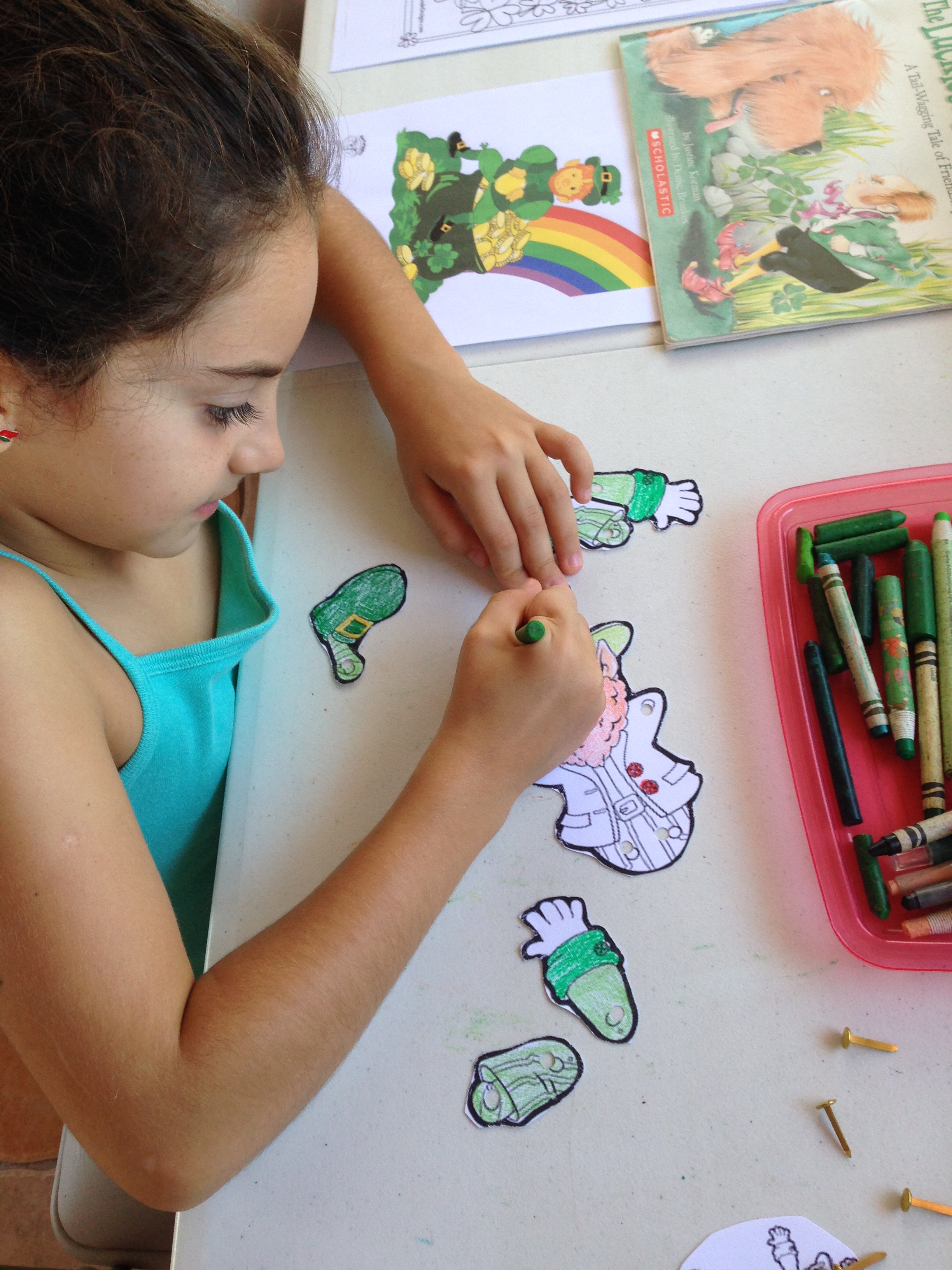
St Patricks day6Montamos nossos Leprechauns (duendes ou gnomos);

St Patricks day4Confecccionamos colares com green noodles (macarrão verde);

St Patricks day3Decoramos Shamrocks (trevos) com glitter;

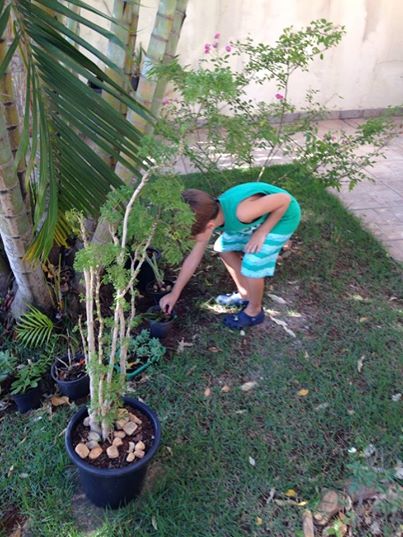
Rafale no jardimProcuramos pelo Pot of Gold (pote de ouro) que os leprechauns deixaram no jardim depois da chuva e do arco-íris.

Foi uma aventura muito bacana e muitas mais virão!

Dinosaurs – Project of the week

Dinosaur-Roar-1024Na próxima semana estaremos estudando sobre dinossauros.

Como eram, o que comiam, onde viviam , como se extinguiram, etc.

Crianças têm um grande fascínio por esse assunto que desperta curiosidade e interesse.

Teremos histórias, brincadeiras, atividades de artesanato, pesquisas e tudo o mais que envolve o tema.

Os pais podem ajudar nesse projeto enviando nos dias de aula objetos relativos ao tema como: vídeos, livros, brinquedos, fotos, etc.

Os alunos podem vir para a aula fantasiados de dinossauros , ou com uma camiseta, bonés ou algo sobre eles.

Essa atividade promete!!

Next week we will be studying about dinosaurs.

Where and how they lived, what they ate,  how they became extinct, etc..

Children have great fascination for this subject that arouses curiosity and interest.

We will have stories, games, craft activities, research and anything else that involves the theme.

Parents can help in this Project by sending, on the days of school,  objects related to the theme  such as videos, books, toys, pictures, etc..

Students can come to class dressed up with dinosaur costumes or with a T-shirt, cap or any other item about them.

It is going to be fun!!

Dinosaur toys

Valentine´s Day

valentines-day-facebook-wallpapers-2014Diferente do Brasil esse dia não é apenas para namorados, mas também para todas as pessoas que amamos como pais e amigos.

Comemorado 14 de fevereiro e envolve chocolates, flores, cartões, jantares e tudo o mais que quem ama deseja.

So, enjoy and send your love to everyone you care about.

My Perfect Valentine

© Xavaunik S. Brown
Observing the stars, You came into mind,
I thought about your love for me, It’s so fine.
Whenever you hug me, Whenever you’re there,
I feel so secure, I know you really care.
At times we’re together, Not knowing what to say,
All we do is hold hands, Then our love lights the way.
There are instances we argue, But time’s granted to ponder,
Then we work things out, It makes our love stronger.
I’ve nothing to worry about, Gone are moments, I thought we’d part,
Thinking of you makes me smile, You’ll forever be in my heart.

Source: My Perfect Valentine, Valentines Day Poem to Boyfriend http://www.familyfriendpoems.com/poem/my-perfect-valentine#ixzz2sjtEOzXd Family Friend Poems

The Legend of Valentine´s Day

Saint Valentine’s Day, also known as Valentine’s Day or the Feast of Saint Valentine, is observed on February 14th each year. It is celebrated in many countries around the world, although it remains a working day in most of them.

Several stories were invented for the various Valentines that belonged to February 14.

According to the legend he was imprisoned for performing weddings for soldiers who were forbidden to marry and for ministering to Christians, who were persecuted under the Roman Empire. During his imprisonment, he healed the daughter of his jailer, Asterius.  Before his execution he wrote her a letter signed “Your Valentine” as a farewell.

In Brazil, the Dia de São Valentim is recognized on June 12.