Where did you go?
What did you do?
Tell me about it!

Where did you go?
What did you do?
Tell me about it!
www.instagram.com/reel/DS7R1B3CN2j/
New Year’s resolution!
What are your plans for 2926?
Tell me about them!
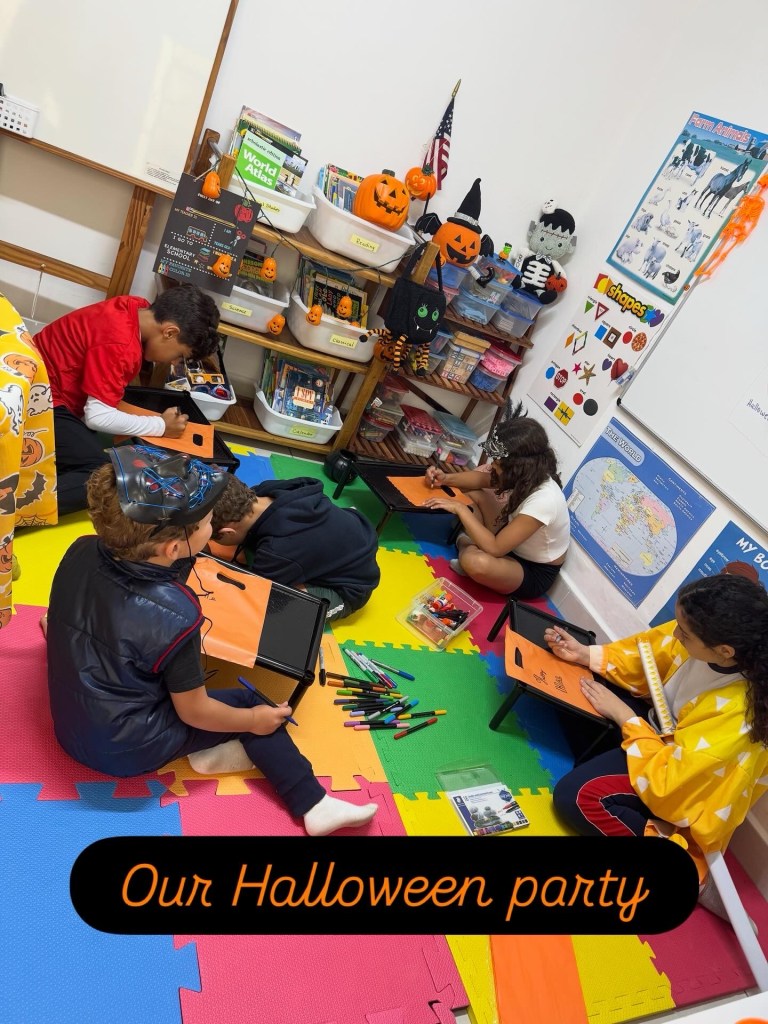


Atualmente existem muitos Coaches dando aula de inglês. Porém, muitos não têm formação acadêmica para dar aulas. Eles apenas residiram por algum tempo fora do Brasil e aprenderam o idioma.
Para você conseguir um bom profissional de língua inglesa, certifique-se que esse profissional possui certificação, didática e experiência acadêmica na área.


Do you have a job interview in English coming up soon? These tips will help you to get ready and impress your potential employer.
If you’ve been invited to a job interview, it’s a good sign. It means the company thinks you have potential and they want to know more about you.
Interviewers can sometimes ask unpredictable questions, but you can increase your chance of success by preparing well! Here’s how.
The job description says what skills, experience and personal characteristics the company needs.
Think of examples of your past work that demonstrate your strengths in these areas. You may have other skills too, but focus on those mentioned in the job description.
Here are some common questions to prepare for.
Your answers will be more persuasive if you include real examples of your work. For instance:
Q: What can you bring to this role?
A: Good time management. It’s one of my strengths. In my last role I organised our office relocation, which was a huge project involving over a hundred staff in only three months. I delegated work within my team to save time. I set deadlines for completion of the project stages and I monitored progress regularly. Because of this, the relocation was completed on time and on budget. I feel confident I can bring these skills into this role.
Some questions may ask you to talk about weaknesses, failures or challenges. Nevertheless, be optimistic. For example, if you have to talk about a failure you experienced, you can also say what you learned from it or how you avoid repeating it.
Look at your CV and guess what interviewers will want to know. For instance, if you have any gaps between jobs, they may ask what you did during that time.
Find out as much as you can. Check the company’s website, LinkedIn and social media, and ask your friends and colleagues.
You can use this information in the interview. If you know about the company’s current activities, for example, you can say which ones you are keen to be involved in. It will show your interest in the job.
Here are some suggestions for vocabulary practice:
Also check the pronunciation of any technical terms, the company’s name and the interviewers’ names.
Practise speaking English aloud until you feel comfortable and confident. It’s a good idea to do a practice interview – ask a friend to ask you some questions and practise responding in English.
You may have a chance to ask your interviewers some questions. This is a good way to show your interest as well as to find out more about the job. Here are some suggestions.
Decide what clothes you will wear and get them looking smart. Pack in your bag anything that you need to bring, such as your ID card or certificates. Take a bottle of water too. Arriving late makes a bad impression, so plan to arrive at the venue early.
For online interviews, find a quiet place where you won’t be disturbed. Turn on your device’s camera and check that the picture is clear and the room lighting is not too bright or dark. Check that the microphone picks up your voice clearly too. Have a look around the interview platform (e.g. Zoom or Skype) and get familiar with the controls (how to mute, share screen, etc.). Also prepare any notes that you want to refer to.
Good luck in your interview!
Let’s have fun learning English!
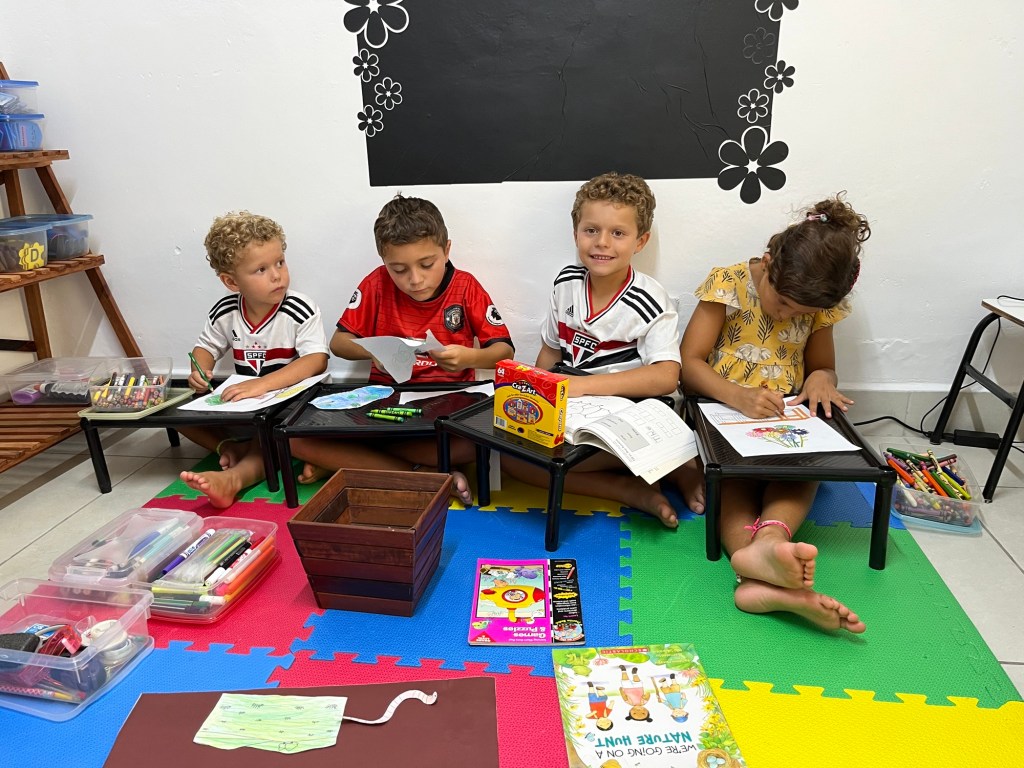
Children can learn a second language easily and enjoy it a lot.
Classes have to be funny and with hands on activities.
Do you know how to use all the possibilities of How.
Here are some.

Whatever type of music you’re into, learning English with songs will help you improve your listening and speaking skills, vocabulary and pronunciation.
It can be any song at all. A song that you like, that you’ve listened to several times before. Have you found it? Great! Now …
Do you understand all of the lyrics?
Probably not! But don’t worry – people hardly ever understand every word of a song the first time they hear it. The words have to fit the rhythm of the music, so they are often difficult to understand.
Find the lyrics online. Many music streaming services have a setting where you can listen and read the lyrics at the same time.
Listen to the song again while you read. Now it starts to make a bit more sense!
Make a note of new or interesting words and phrases. You don’t have to look up every single word in the dictionary. Try to learn five to ten new words per song.
You may notice some strange-looking words! Some words in songs are written as they are pronounced.
‘Wanna’, for example, is an informal spelling of ‘want to’.
What about ‘gonna’ and ‘gimme’? What are these informal spellings of?
As you listen, notice how phrases are pronounced. This really helps you understand people when they’re talking fast.
As you listen, start to join in with the easier parts. Sing as quietly or as loudly as you want!
The chorus – the part of the song that is repeated several times – will probably be what you can sing along to first.
Listen to the song a few more times, and each time join in with a little bit more.
By now the song is really in your head! You’re really feeling the rhythm of the music and the lyrics.
Tomorrow, next week or whenever you feel like learning a new song, do the same thing again. But don’t forget to come back to the old songs, especially your favourites.
 Paula Lyra ELT School