Let’s have fun learning English!
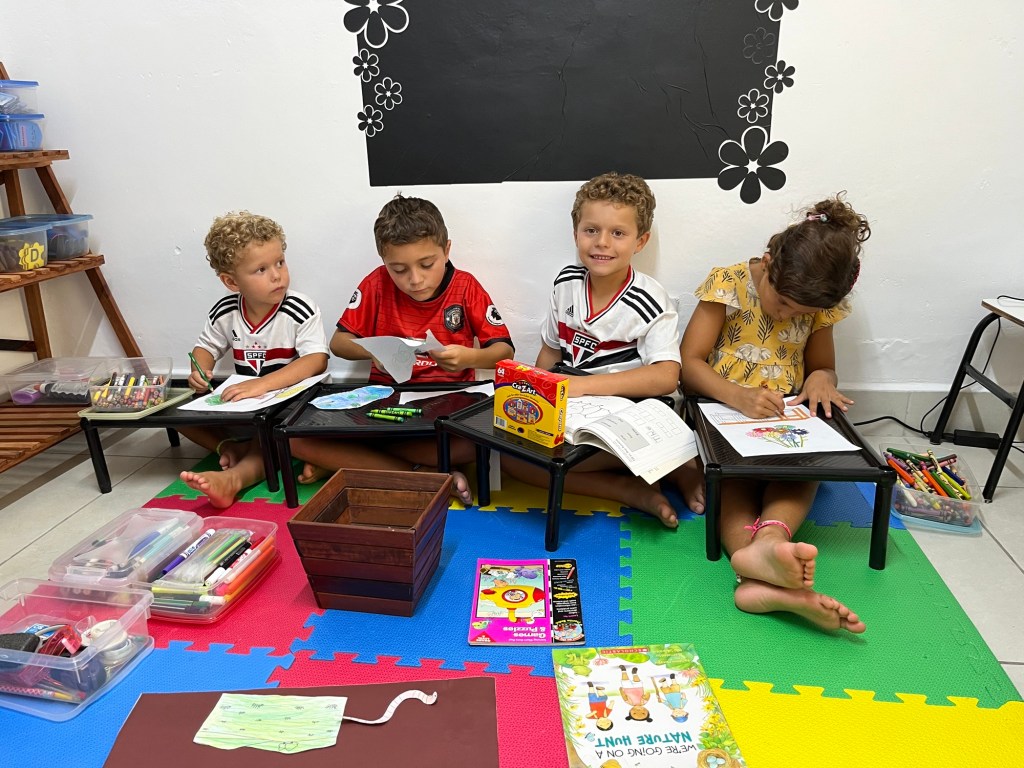

Let’s have fun learning English!
Do you know how to use all the possibilities of How.
Here are some.

As parents, we are busy – especially in the morning! It can be difficult to establish a consistent calendar routine this time of day.

1. Keep it simple. Don’t try to achieve too many things with your calendar routine or you won’t be consistent. Start with the basics. If you need to, do your calendar routine the night before when things are calmer in the house.
2. Add your calendar routine to you child’s morning job chart. Check off the tasks on this chart each morning so you don’t forget any of them. This signals that the calendar routine is important and, if it is on the morning job chart, you will do it consistently. For more on morning routines, check out this post:
3. Start with a ‘days of the week’ song. See the videos below if you need more ideas. I’d like to give a shout out to Blanca Stingl, an amazing kindergarten teacher with a great calendar routine. I got many of these ideas from her. Give your child a pointer and allow him/her to point at the days of the week as you sing. When you introduce letter sounds, have your child look for the day of the week that starts with the ‘mmm’ sound (Monday).
4. Help your child select the number for the date. By doing this repetitively, your child will soon recognize numbers to 30.
5. Sing a ‘months of the year’ song. You may only want to do this a couple of times each month. If your child is getting bored or fidgety, keep your calendar routine shorter. Create a dance or let your child use the pointer for the months of the year to keep him/her moving.
6. Sing “What’s the weather like today?”. Then, look out the window and decide. Put up the appropriate weather label.
7. Finally, mention the season. You may want to read a book about ‘winter’ when the season changes. Discuss winter clothing, activities, and changes in the environment. You can do this each time a season changes. This can be a starting point for some great seasonal learning activities.

There is so much inspiration to be gained from learning about Famous People of the past and present – what they achieved and how – particularly when you can put them into the context of their time. Here we take a look at famous women from all walks of life, cultures and careers, and learn about their remarkable achievements.
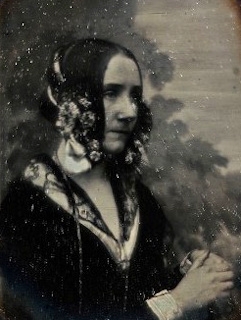
Ada Lovelace (1815–1852) was a British mathematician who is credited with being the world…
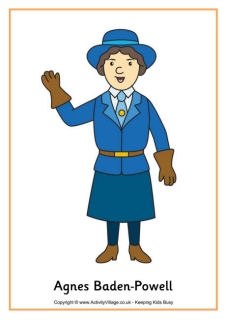
Agnes Baden-Powell was Robert Baden-Powell‘s sister. She…
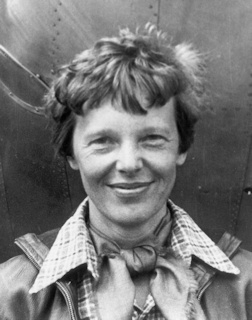
Amelia Earhart (1897–1937) was an American pilot famous for becoming the first woman to…
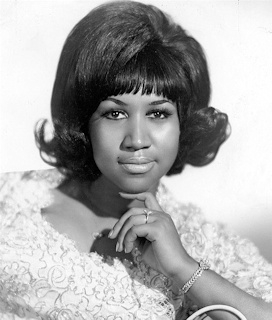
Aretha Franklin (1942–2018) was a multi-award winning American singer, songwriter and…

Children can learn a little about Bessie Coleman, a remarkable and determined women born in the…

Boudicca (c. 30 AD – c. 61 AD), also known as Boadicea, was a Celtic queen who showed…

Charlotte Brontë, 1816 to 1855, was the eldest of the three famous Brontë sisters and the author…
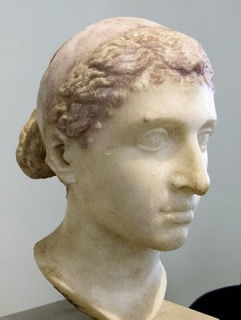
Cleopatra VII Philopator (69–30 BC) was a beautiful and ambitious Egyptian queen, famous…
Learn a little about Emily Brontë here, and then enjoy our fun colouring pages and printables…
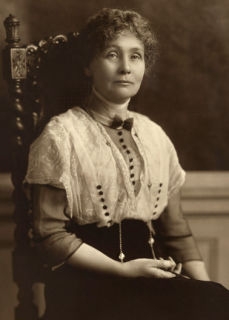
Emmeline Pankhurst (1858–1928) was a leader of the British suffragette movement and an…

Enid Blyton (1897 to 1968) wrote well over 500 children’s books in her long writing career,…

Florence Nightingale (1820–1910) was a famous nurse who spent her life improving the…

George Eliot (1819–1880) was a famous English novelist living in Victorian times. Her real…
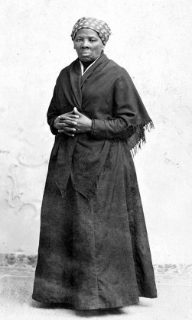
NEW! Children can learn a little about Harriet Tubman, remarkable “Moses” of the…

Helen Keller (1880–1968) was an American author, activist and lecturer admired worldwide…
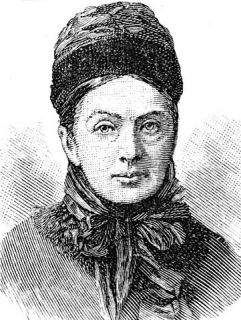
Isabella Bird (1831–1904) was an intrepid and adventurous travel writer and photographer…

Find out a little about the author of Harry Potter, JK Rowling, and use our printable activity…
Jane Austen (1775 to 1818) is one of the most widely read and loved authors of all time. Her…
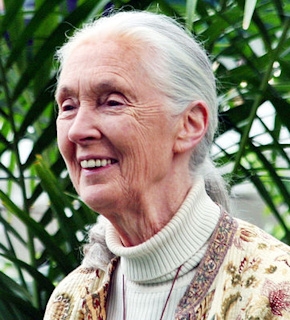
Jane Goodall, DBE, (1934–), is a British ethologist and conservationist, famous for her…

Joan of Arc (1412–1431) is the patron saint of France and of soldiers. She is famous for…
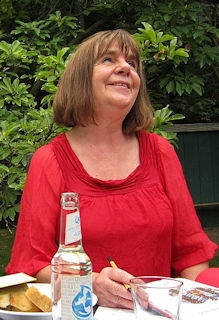
Julia Donaldson (1948–) is an English writer, playwright and performer most famous for her…
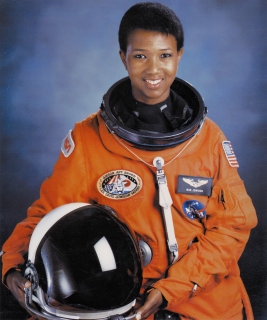
Mae Jemison (1956–) is an American doctor, teacher, businesswoman and former astronaut who…
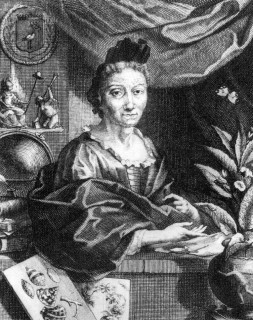
Maria Sibylla Merian (1647–1717) was a German naturalist and illustrator who dedicated her…
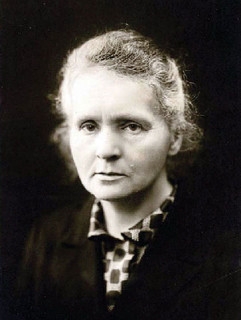
Marie Curie (1867–1934) was a Polish scientist whose groundbreaking research on…

Mary Anning (1799–1847) was a famous English fossil hunter and collector. Despite her poor…
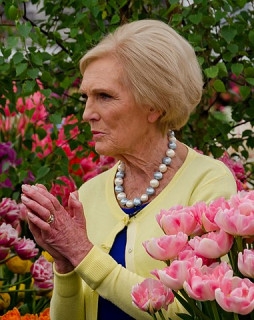
Mary Berry (1935–) is one of Britain’s best-loved cookery writers and television…
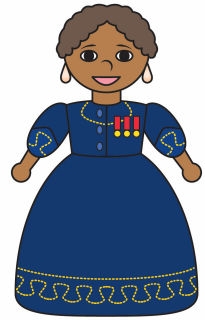
Mary Seacole (1805–1881) was a Jamaican-born British business woman who showed great…
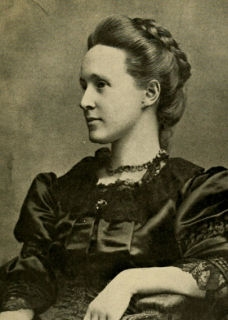
Millicent Fawcett (1847–1929) was a leading campaigner for women’s rights in Britain…

Mother Teresa (1910–1997) was a Roman Catholic nun and missionary who dedicated herself to…

Lots NEW! Rosa Parks (1913–2005) was an African American civil rights activist, most…

Learn a little about this amazing tennis player, Serena Williams, who has been wowing us all…

Taylor Swift (1989–) is an award-winning American singer and songwriter who has captivated…

null
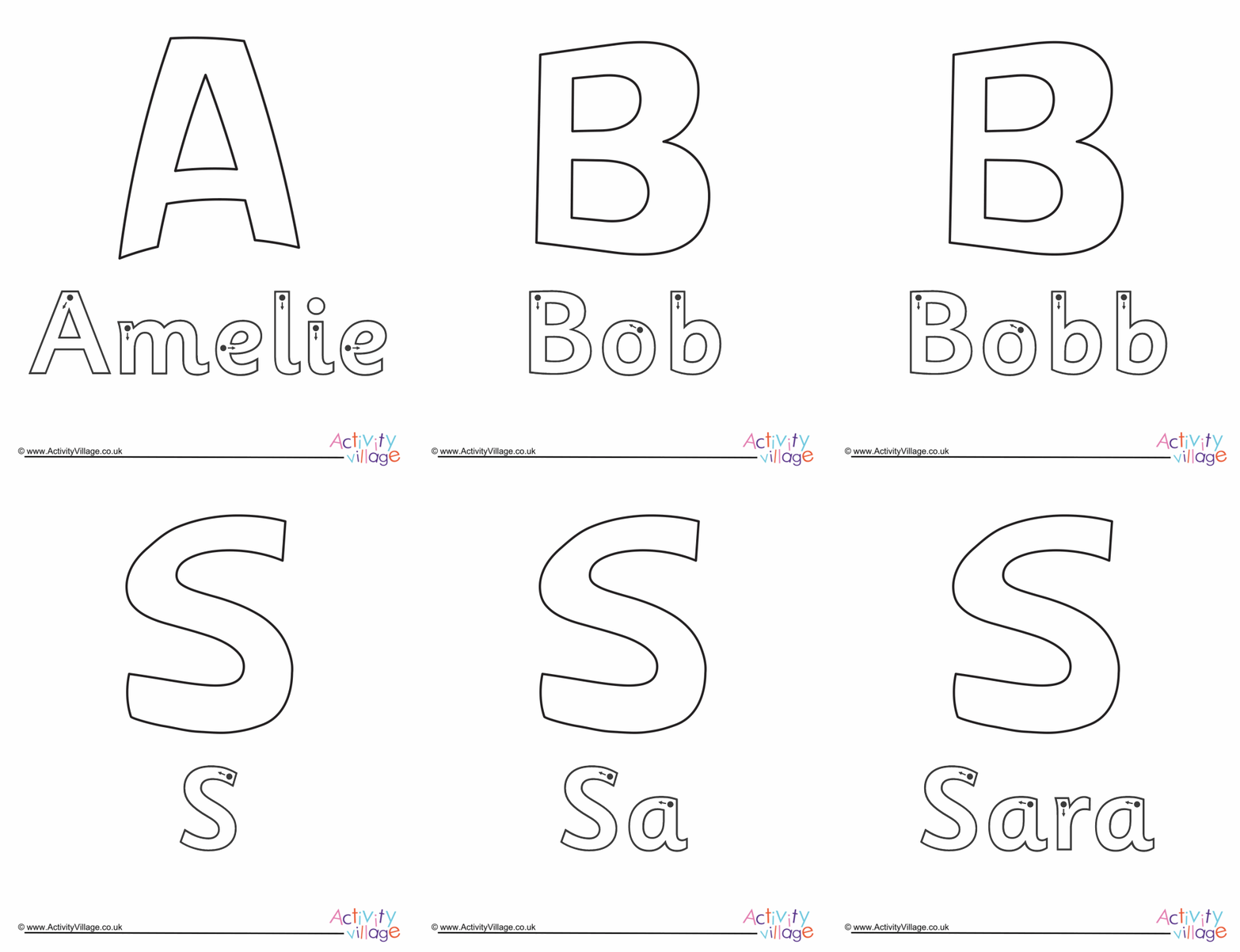
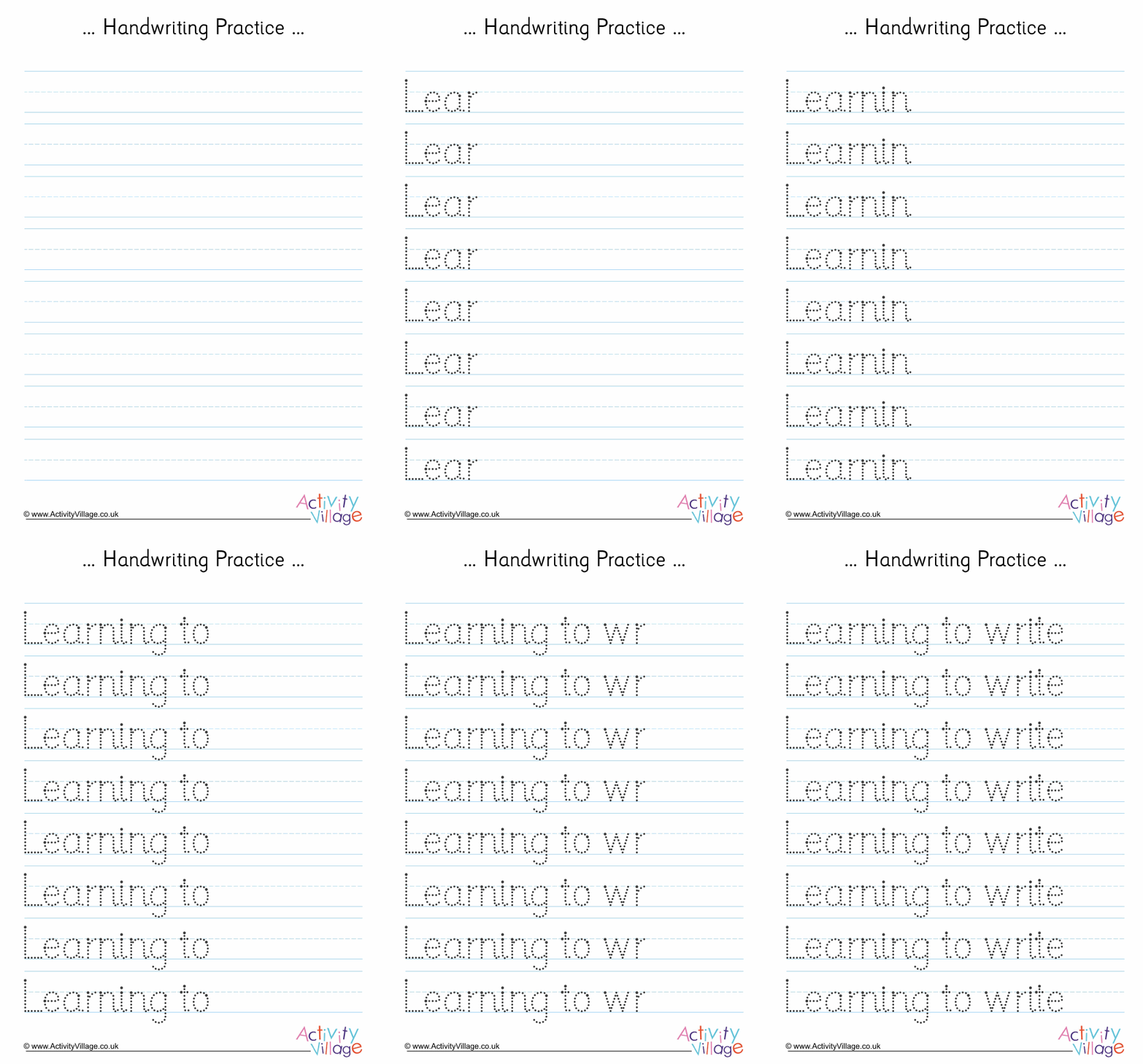
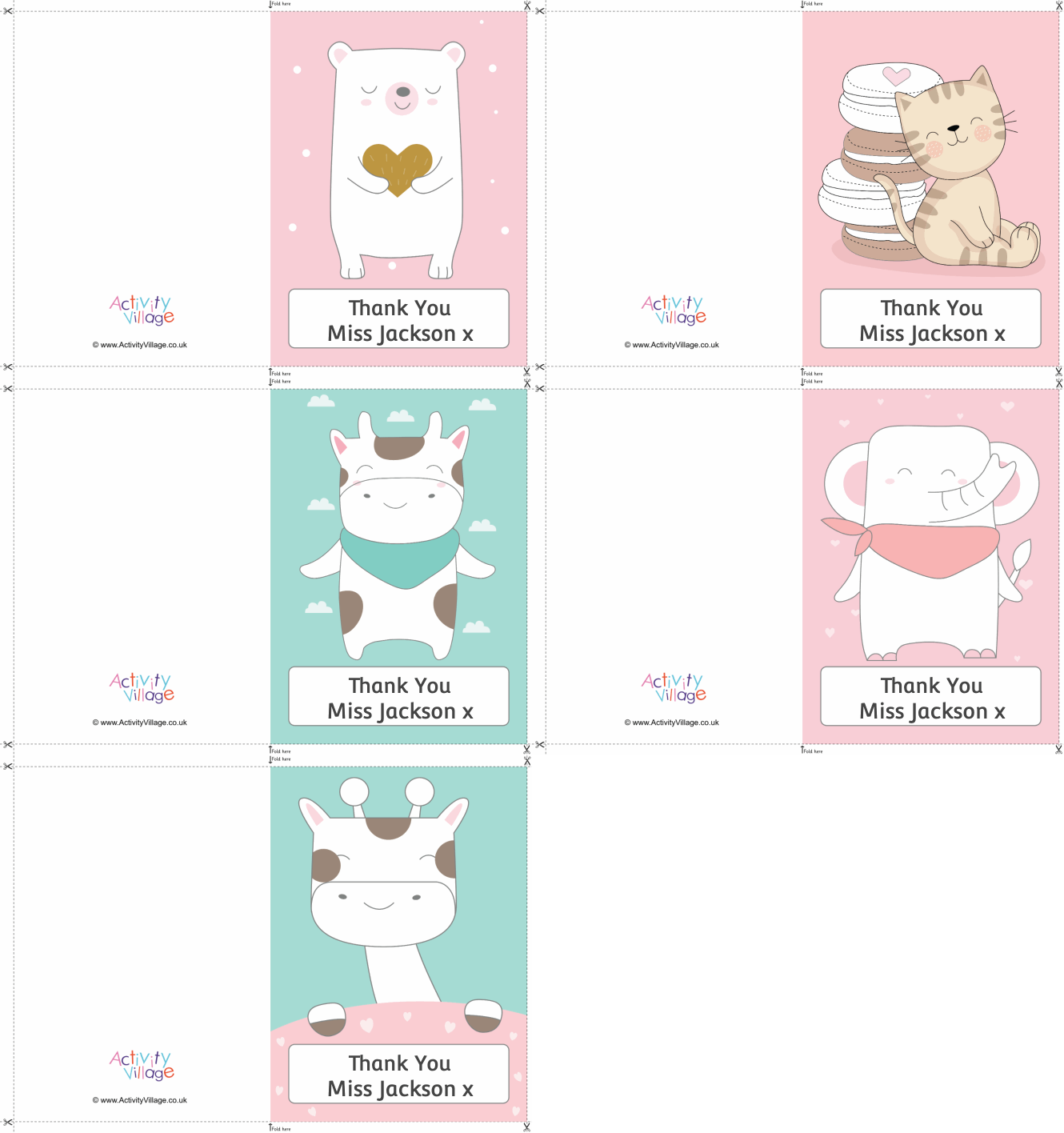
Create your own handwriting worksheets and greetings cards!
I just love your site and have used it so much with my family and also with classes at my school. Kim
Can I just say the site is amazing! Nicky
Your selection of what’s available and the fact that you have SO many categories and just about any day imaginable, is unlike anything I’ve ever seen before. Some of our students are special ed and there are so many things I’ve seen that they are capable of doing. I know the teachers are going to be thrilled to see your website. Marge
I love what u do here always so many good ideas and activities for all age groups. Wendy
Thanks for all the great work you do! Vicki
Copyright © 2000 – 2023 Activity Village. All rights reserved.
Activity Village is a Small Publishing website.
null
null
Dyslexia is primarily a language-based reading disability, not a visual-based disability.
Research has shown that people with dyslexia are more likely to have children with dyslexia. A child with one parent with dyslexia is about 40% to 60% likely to have dyslexia themselves.
In dyslexia identification there are clear and well-defined cut-off points. An individual either has dyslexia or not.
Because the core difficulties associated with dyslexia are related to how the individual sounds of language are processed in the brain, and not visual perception, coloured overlays do not improve reading accuracy or comprehension for dyslexic students. Research evidence shows no significant benefit in terms of objectively measurable reading gains when using colored overlays despite the fact that many dyslexic students report that they find them useful.
People with dyslexia have difficulties with processing and manipulating the smallest sounds of language, called phonemes. Research shows that, in students with dyslexia, the part of the brain that processes those sounds and connects those sounds to letters is under-activated as compared with typically developing readers. People with dyslexia also perform more poorly on tasks that require analyzing, synthesizing, and manipulating phonemes.
There is no scientific evidence that seeing letters and words backwards is a characteristic of dyslexia.
There is a significant and pronounced difference between males and females when it comes to ‘identified’ dyslexia and reading difficulties. There are a number of reasons for this, one of them is that females and males use different behavioural and emotional compensation techniques and react differently when faced with these challenges. Therefore boys are more easily identified as dyslexic in school settings. When researchers identify dyslexia in the general population, there is less pronounced difference between males and females in the prevalence of dyslexia. Researchers examined gender differences based on the variation in reading abilities among males and females. They found that males show more variability and depending on the cut-off point for identifying dyslexia, indeed there might be more male than female dyslexics (Hawke, J. L., Olson, R. K., Willcut, E. G., Wadsworth, S. J., & DeFries, J. C. (2009). Gender ratios for reading difficulties. Dyslexia, 15(3), 239-242.)
This statement might be true although research evidence is often contradictory on this question.
Research suggests that there are significantly more dyslexic individuals among art students than non-dyslexic ones (Wolff, U., & Lundberg, I. (2002). The prevalence of dyslexia among art students. Dyslexia, 8(1), 34-42). There is also neuroimaging evidence that shows that lower reading skill is associated with a visuospatial processing advantage (Diehl, J. J., Frost, S. J., Sherman, G., Mencl, W. E., Kurian, A., Molfese, P., … & Pugh, K. R. (2014). Neural correlates of language and non-language visuospatial processing in adolescents with reading disability. NeuroImage, 101, 653-666). However, some studies have found that the visuospatial superiority is more apparent in dyslexic men than women (Brunswick, N., Martin, G. N., & Marzano, L. (2010). Visuospatial superiority in developmental dyslexia: Myth or reality?. Learning and Individual Differences, 20(5), 421-426.)
Because dyslexia is caused by difficulties with processing individual sounds of language in the brain, researchers know that effective instruction includes explicit and systematic instruction in phonemic awareness (practice manipulating the individual sounds in our language) and phonics (practice connecting those individual sounds, or phonemes, to letters). There are no scientifically proven benefits of eye-tracking exercises.
Source: https://www.futurelearn.com/courses/dyslexia/8/steps/1399907
The story of the English language began in the fifth century when Germanic tribes invaded Celtic-speaking Britain and brought their languages with them. Later, Scandinavian Vikings invaded and settled with their languages too. In 1066 William I, from modern-day France, became king, and Norman-French became the language of the courts and official activity. People couldn’t understand each other at first, because the lower classes continued to use English while the upper classes spoke French, but gradually French began to influence English. An estimated 45 per cent of all English words have a French origin. By Shakespeare’s time, Modern English had developed, printing had been invented and people had to start to agree on ‘correct’ spelling and vocabulary.
I Opened A Book
by Julia Donaldson
I opened a book and in I strode
Now nobody can find me.
I’ve left my chair, my house, my road,
My town and my world behind me.
I’m wearing the cloak, I’ve slipped on the ring,
I’ve swallowed the magic potion.
I’ve fought with a dragon, dined with a king
And dived in a bottomless ocean.
I opened a book and made some friends.
I shared their tears and laughter
And followed their road with its bumps and bends
To the happily ever after.
I finished my book and out I came.
The cloak can no longer hide me.
My chair and my house are just the same,
But I have a book inside me.
“Books shouldn’t be daunting, they should be funny, exciting and wonderful; and learning to be a reader gives a terrific advantage.” Roald Dahl
“There is no bond like the bond of having read and liked the same books.” E. Nesbit
“Books are the quietest and most constant of friends; they are the most accessible and wisest of counsellors, and the most patient of teachers”. Charles W. Eliot
Here follow some ideas to help ELT teachers to improve their teaching skills
Source: © British Council


Learn how to use them
In Describe Image items, you are likely to be presented with a graph. In these cases, it is important that you show appropriate relationships by comparing and contrasting the information contained in the graphs. Let’s see how you can use language of comparison and contrast.
Comparative adjectives: Use these when comparing two nouns and can be formed as follows:
Superlative adjectives: Use these when describing a noun that is at the highest or lowest limit of a group. They can be formed as follows:
Comparative/superlative adverbs: The rules above apply when the comparison requires the use of an adverb. Examples:
as … as: Use this structure when the two nouns being compared are equal in some form. The adjective does not change. Examples:
This structure can also be used with adverbs to compare two actions:
Comparison and contrast language is especially useful for Describe Image tasks. Look at some example sentences from student responses to this item type:
© Macquarie University
 Paula Lyra ELT School