Where did you go?
What did you do?
Tell me about it!

Where did you go?
What did you do?
Tell me about it!
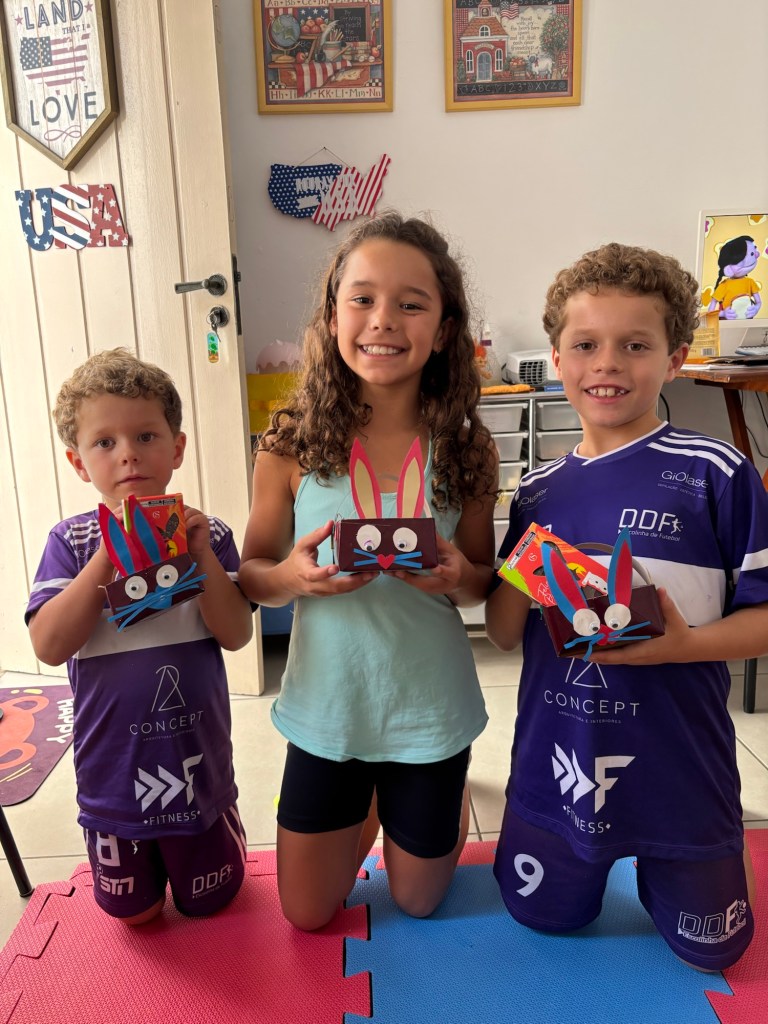
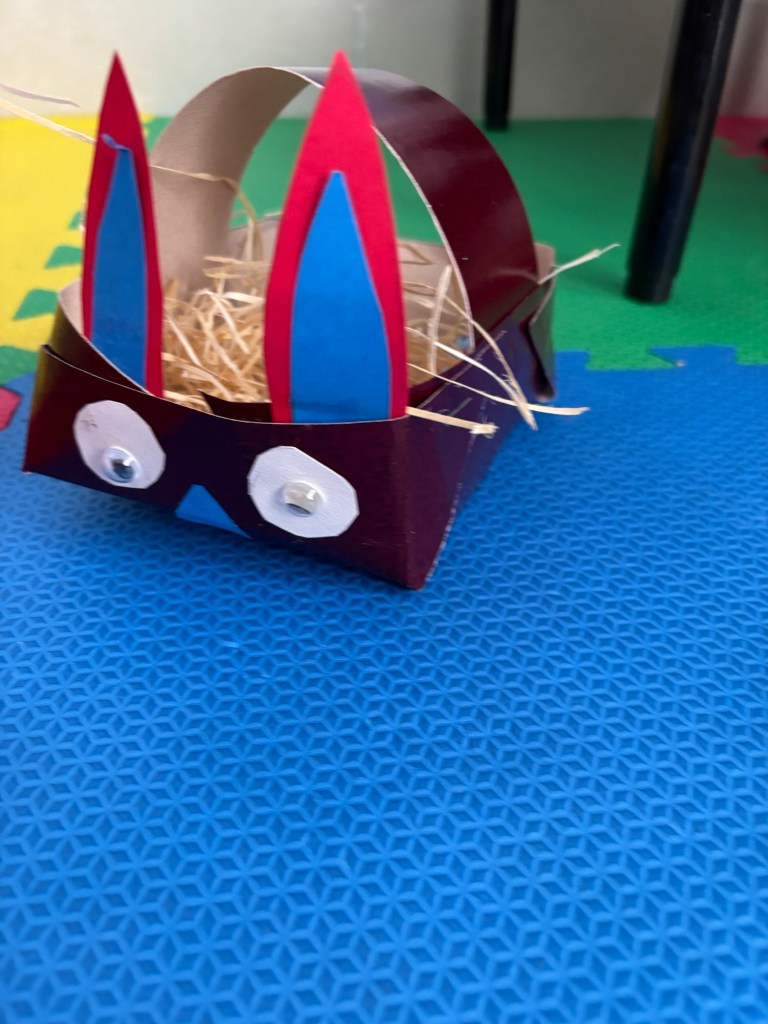
We prepared a basket, folding the paper very carefully, then we put a handle and next we glued the eyes, the nose, the ears, and the whiskers of our bunny.
How did you like it?
Let’s have fun learning English!
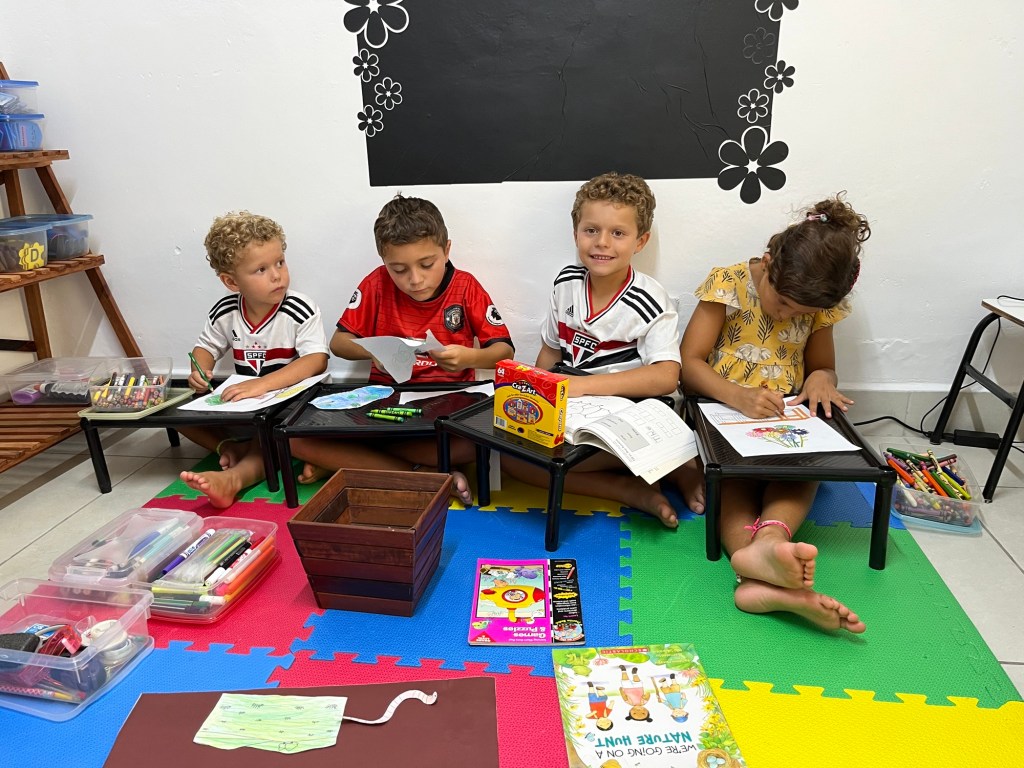
Children can learn a second language easily and enjoy it a lot.
Classes have to be funny and with hands on activities.
Do you know how to use all the possibilities of How.
Here are some.

By Nikita Gupta / July 12, 2021


Photo credit: www.growingupgupta.com
“Having your child learn two languages at the same time will confuse them, won’t it?” “You know that teaching your child multiple languages is just going to cause a speech delay?”
Have you heard these assertions too? These are common questions that many of us raising bilingual kids hear. The answer is “No” to all of the above. Learning two languages at the same time does not negatively affect speech development. On the contrary, it might help the child overcome the problem faster. To give you some assurance, here are ten benefits of being bilingual.Photo credit: www.growingupgupta.com
When a bilingual child tries to speak, both languages compete to be spoken. The child has to quickly pick and suppress the other and switch between them in a second. This ability helps kids to focus better in a noisy class and mute all other irrelevant sounds.
Bilingual kids have better mental alertness, which helps them to solve problems much easier. A study by psychologists Ellen Bialystok and Michelle Martin, shows that bilinguals have an easier time dividing objects by shapes and colors than their monolingual peers.
Since their brains are used to decoding and interpreting two or more languages, bilingual kids have an easier time coming up with and explaining scientific ideas.
Bilingual kids do better in word reading and spelling because of their understanding of sounds and tenses. This gives them an advantage over others when they start learning languages in class.
In a bilingual child’s brain, both sides are always on alert and active even when they are speaking one language. The brains work a little bit more than a monolingual brain, which enhances their cognitive abilities.
Multilingual kids have mastered the art of interpersonal understanding and listening, which makes them better communicators. This is more of a benefit of growing up in a multilingual environment where you have to listen to other’s perspectives and understand them.
Learning two languages means you have to retain a lot of information and be ready to produce it at will. This helps kids with memory in school work as well as other important stuff like directions.
Have you ever noticed that children take a while before responding to a command or an incident? Learning multiple languages forces the brain to quickly switch from one language to another, depending on who is speaking to you. As a result, the brain gets used to quick response and shorter reaction time.
Speaking a second or third language opens up a whole new world out there to enhance your social skills. Being able to communicate with people from different cultures is a confidence boost and an ice breaker. It also helps to relate better with family members from that culture.
Multilingual kids are more open-minded and adaptable because you have already exposed them to a different level of tolerance. They are also more accepting and understanding of others, which translates to compassion and empathy.
At a young age, bilingual acquisition is as natural as learning how to walk or crawl. Kids who learn decoding skills in one language will easily translate to English or any other language. Multicultural parenting may not be the easiest, but it comes with many benefits for the children. As we have seen, there are multiple benefits of being bilingual.
As parents, we are busy – especially in the morning! It can be difficult to establish a consistent calendar routine this time of day.

1. Keep it simple. Don’t try to achieve too many things with your calendar routine or you won’t be consistent. Start with the basics. If you need to, do your calendar routine the night before when things are calmer in the house.
2. Add your calendar routine to you child’s morning job chart. Check off the tasks on this chart each morning so you don’t forget any of them. This signals that the calendar routine is important and, if it is on the morning job chart, you will do it consistently. For more on morning routines, check out this post:
3. Start with a ‘days of the week’ song. See the videos below if you need more ideas. I’d like to give a shout out to Blanca Stingl, an amazing kindergarten teacher with a great calendar routine. I got many of these ideas from her. Give your child a pointer and allow him/her to point at the days of the week as you sing. When you introduce letter sounds, have your child look for the day of the week that starts with the ‘mmm’ sound (Monday).
4. Help your child select the number for the date. By doing this repetitively, your child will soon recognize numbers to 30.
5. Sing a ‘months of the year’ song. You may only want to do this a couple of times each month. If your child is getting bored or fidgety, keep your calendar routine shorter. Create a dance or let your child use the pointer for the months of the year to keep him/her moving.
6. Sing “What’s the weather like today?”. Then, look out the window and decide. Put up the appropriate weather label.
7. Finally, mention the season. You may want to read a book about ‘winter’ when the season changes. Discuss winter clothing, activities, and changes in the environment. You can do this each time a season changes. This can be a starting point for some great seasonal learning activities.
Learn about William Shakespeare, the world’s most famous playwright, and enjoy our colouring pages and printable activities, puzzles and worksheets.
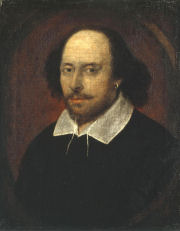
Shakespeare Week is a national celebration of all things Shakespeare and a great excuse to read or watch plays (or poetry), discover some of the words that Shakespeare introduced to the English language, and learn about the man! Get involved from 20th to 26th March 2023. Or why not celebrate Shakespeare Day on his birthday, 23rd April?
William Shakespeare (1564–1616) was an English playwright, actor and poet, and is widely regarded as the greatest English writer of all time. His plays have been translated into more than 100 languages and continue to be performed around the world to this day. He also introduced nearly 3,000 words to the English language. Find out more about this talented man who continues to influence our lives over 400 years after his death.
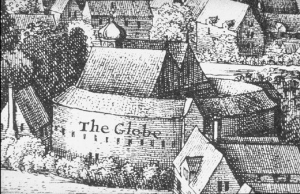
The original Globe Theatre
There are so many famous quotes from Shakespeare. Here are just a few of them:
“All that glitters is not gold.”
“If music be the food of love, play on.”
“To be, or not to be: that is the question.”
“To thine own self be true.”
“A fool thinks himself to be wise, but a wise man knows himself to be a fool.”
William Shakespeare was born 1564 in Stratford-upon-Avon, England. His father John was a leather merchant while his mother Mary was the daughter of wealthy farmer. William had two older sisters and three younger brothers.
William went to the local grammar school where he studied history, Greek and Latin. At 18, he married Anne Hathaway (aged 26) and the couple went on to have three children together – Susanna and twins Hamnet and Judith. Sadly their son Hamnet died, aged 11.
After the twins were born, William went to London to work as an actor, leaving the family behind. He joined an acting group called Lord Chamberlain’s Men. William also wrote plays for the group, which became very popular. Some of these early plays include The Taming of the Shrew, Richard III, Romeo and Juliet, and A Midsummer Night’s Dream. William wrote different types of plays – comedies (funny), tragedies (sad) and histories (about real people’s lives). Women weren’t allowed to act at the time, so men or young boys played the female roles!
Lord Chamberlain’s Men performed at a theatre built on land owned by Giles Allen. Although the group owned the theatre, when the land’s lease expired in 1597, Giles refused to let them perform and wanted to tear the theatre down. When negotiations failed, some of the actors devised a plan to dismantle the theatre and move it across the River Thames. They built a new theatre called the Globe, which could accommodate up to 3,000 people and became very popular. At the time, many people couldn’t read or write, so the Globe Theatre hung a flag outside to show what type of play was being performed – a comedy (white flag), a tragedy (black or dark flag), or a history (red flag).
In 1603, when James I became king, the Lord Chamberlain’s Men changed their name to the King’s Men and King James became the group’s patron. Many people think that some of William’s best plays were written during these years, many of them tragedies such as Hamlet, Othello, King Lear and Macbeth. William wrote nearly 40 plays as well as poetry, and poems called sonnets. His work combined with his property and land investments made him very wealthy. He bought a large house in Stratford-upon-Avon for his family, where he retired, aged 49.
In 1613, the Globe Theatre burned down when the thatched roof caught fire during a performance of Henry VIII. It was rebuilt the following year with a tiled roof, but was later demolished during the Puritan era (when all theatres were closed) to make room for housing. Some 350 years later, a modern version was built, opening in 1997 on the banks of the River Thames.
William died in 1616, but his legacy lives on. In fact, many of his words and phrases have become part of our everyday lives. Have you ever talked about ‘being in a pickle’ (being in trouble), going on a ‘wild goose chase’ (a search for something that isn’t there), having a ‘heart of gold’ (being kind) or trying to ‘break the ice’ (to strike up conversation with a stranger)? Then you are using the words and phrases of this great playwright!
Source: https://www.activityvillage.co.uk/william-shakespeare?awt_a=8YG5&awt_l=5S26Y&awt_m=IpVSHZyq2VDtG5

There is so much inspiration to be gained from learning about Famous People of the past and present – what they achieved and how – particularly when you can put them into the context of their time. Here we take a look at famous women from all walks of life, cultures and careers, and learn about their remarkable achievements.
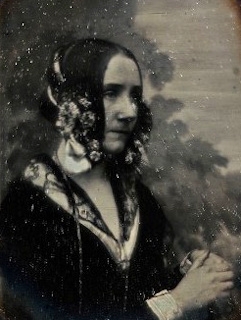
Ada Lovelace (1815–1852) was a British mathematician who is credited with being the world…
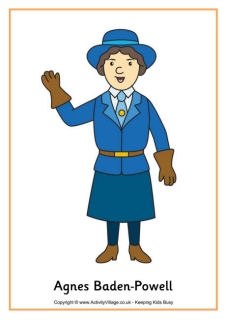
Agnes Baden-Powell was Robert Baden-Powell‘s sister. She…
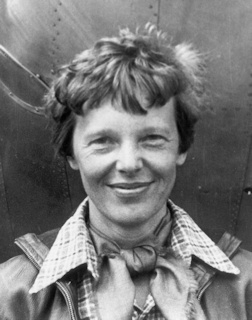
Amelia Earhart (1897–1937) was an American pilot famous for becoming the first woman to…
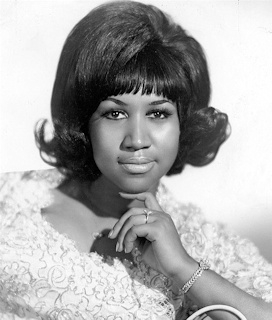
Aretha Franklin (1942–2018) was a multi-award winning American singer, songwriter and…

Children can learn a little about Bessie Coleman, a remarkable and determined women born in the…
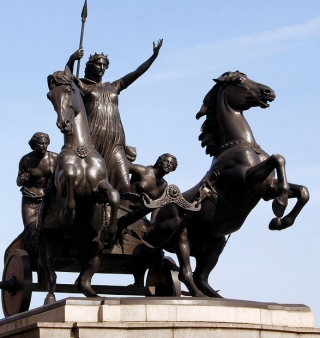
Boudicca (c. 30 AD – c. 61 AD), also known as Boadicea, was a Celtic queen who showed…

Charlotte Brontë, 1816 to 1855, was the eldest of the three famous Brontë sisters and the author…
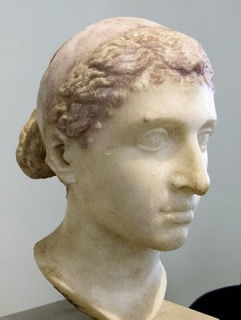
Cleopatra VII Philopator (69–30 BC) was a beautiful and ambitious Egyptian queen, famous…
Learn a little about Emily Brontë here, and then enjoy our fun colouring pages and printables…
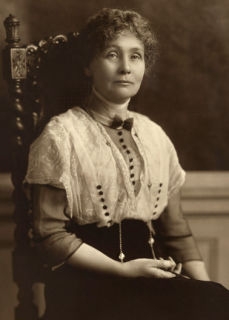
Emmeline Pankhurst (1858–1928) was a leader of the British suffragette movement and an…

Enid Blyton (1897 to 1968) wrote well over 500 children’s books in her long writing career,…

Florence Nightingale (1820–1910) was a famous nurse who spent her life improving the…

George Eliot (1819–1880) was a famous English novelist living in Victorian times. Her real…
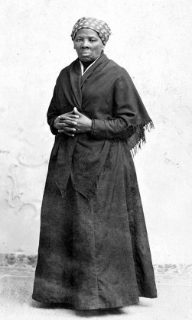
NEW! Children can learn a little about Harriet Tubman, remarkable “Moses” of the…

Helen Keller (1880–1968) was an American author, activist and lecturer admired worldwide…
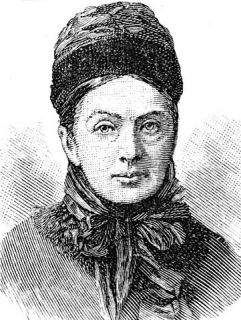
Isabella Bird (1831–1904) was an intrepid and adventurous travel writer and photographer…

Find out a little about the author of Harry Potter, JK Rowling, and use our printable activity…
Jane Austen (1775 to 1818) is one of the most widely read and loved authors of all time. Her…
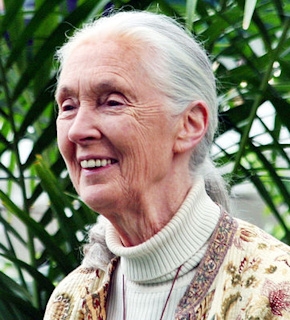
Jane Goodall, DBE, (1934–), is a British ethologist and conservationist, famous for her…

Joan of Arc (1412–1431) is the patron saint of France and of soldiers. She is famous for…
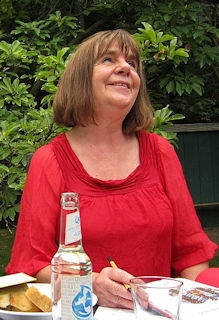
Julia Donaldson (1948–) is an English writer, playwright and performer most famous for her…
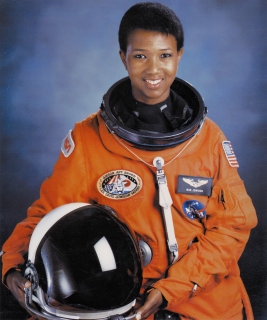
Mae Jemison (1956–) is an American doctor, teacher, businesswoman and former astronaut who…
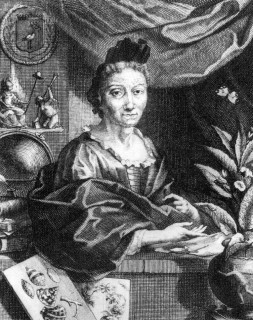
Maria Sibylla Merian (1647–1717) was a German naturalist and illustrator who dedicated her…
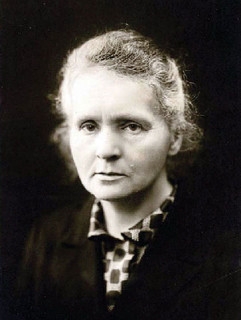
Marie Curie (1867–1934) was a Polish scientist whose groundbreaking research on…

Mary Anning (1799–1847) was a famous English fossil hunter and collector. Despite her poor…
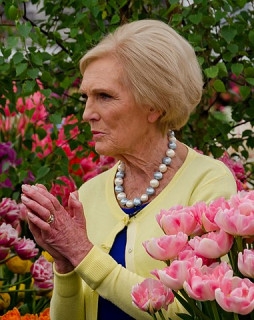
Mary Berry (1935–) is one of Britain’s best-loved cookery writers and television…
Mary Seacole (1805–1881) was a Jamaican-born British business woman who showed great…
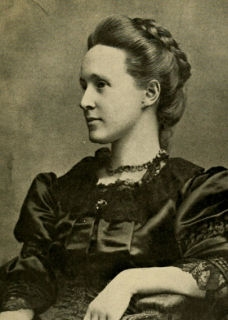
Millicent Fawcett (1847–1929) was a leading campaigner for women’s rights in Britain…

Mother Teresa (1910–1997) was a Roman Catholic nun and missionary who dedicated herself to…

Lots NEW! Rosa Parks (1913–2005) was an African American civil rights activist, most…

Learn a little about this amazing tennis player, Serena Williams, who has been wowing us all…

Taylor Swift (1989–) is an award-winning American singer and songwriter who has captivated…

null
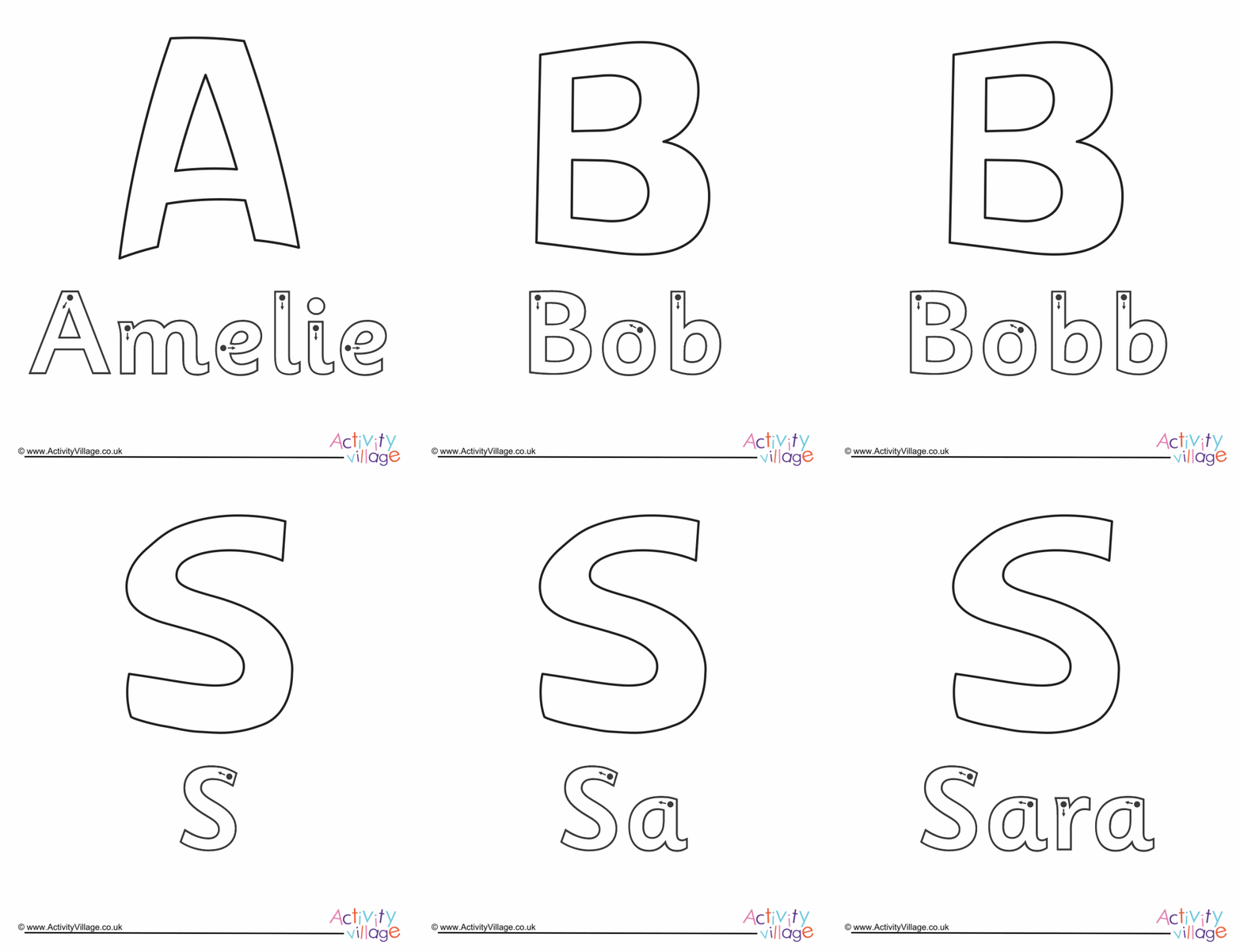
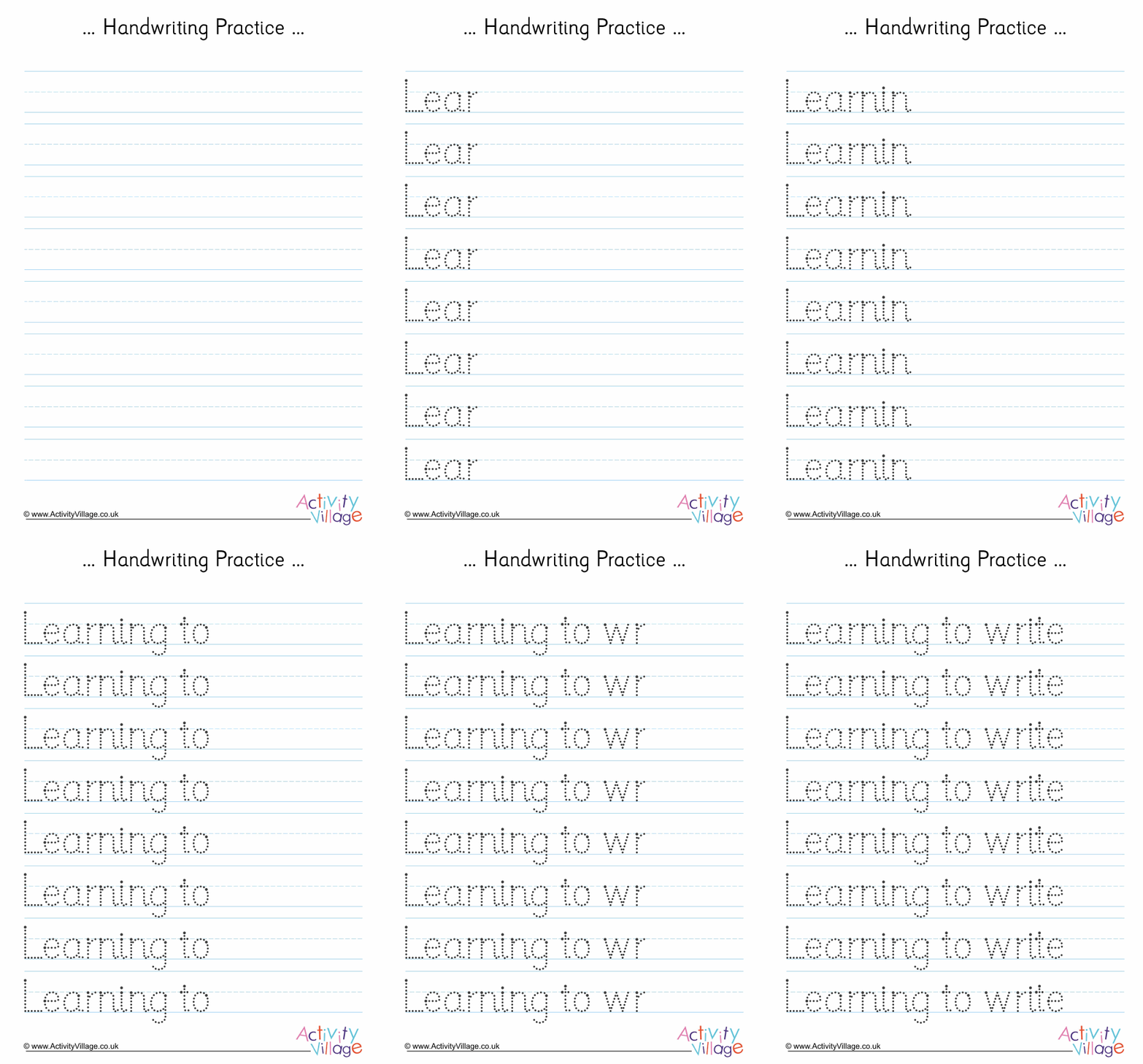
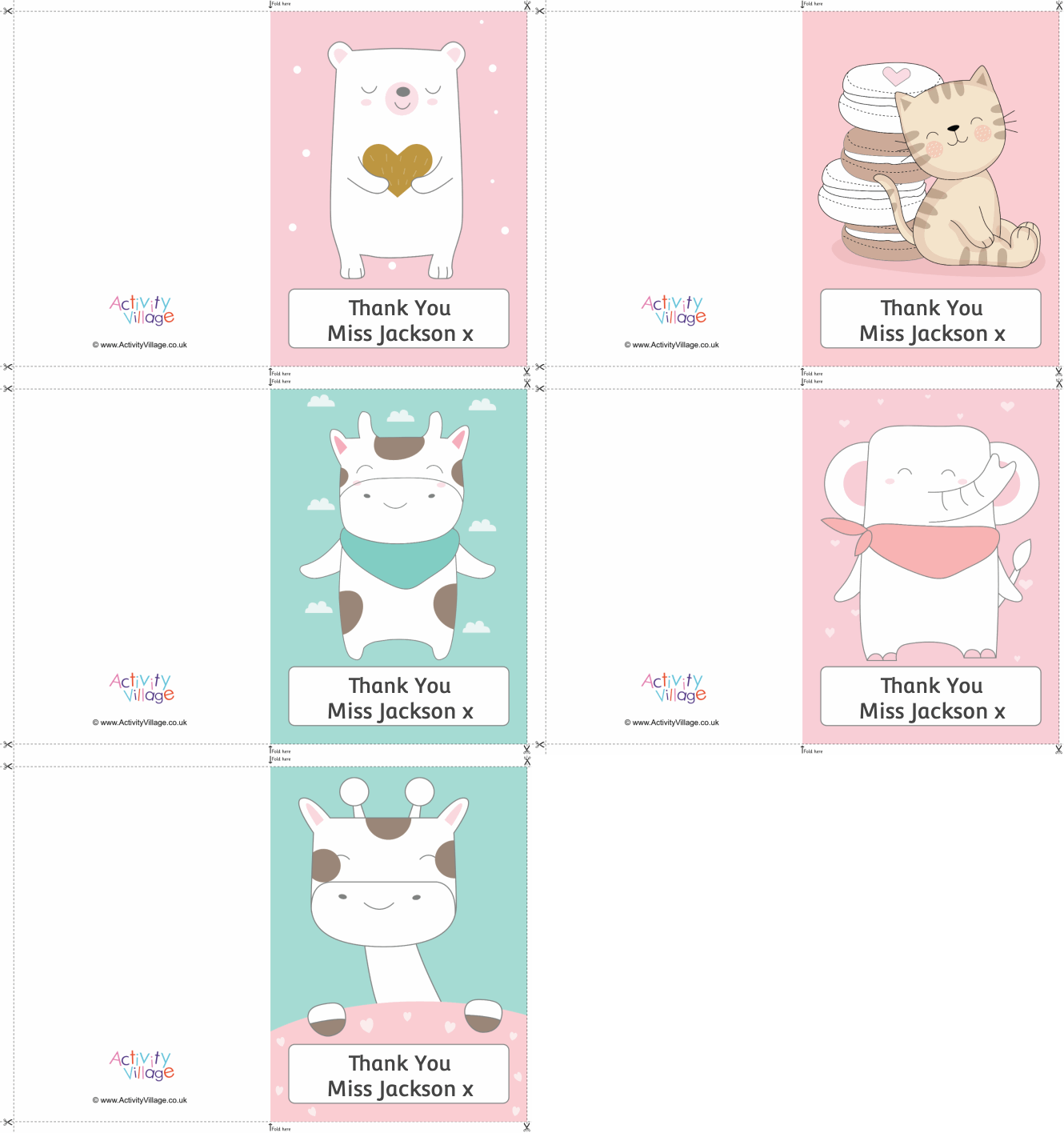
Create your own handwriting worksheets and greetings cards!
I just love your site and have used it so much with my family and also with classes at my school. Kim
Can I just say the site is amazing! Nicky
Your selection of what’s available and the fact that you have SO many categories and just about any day imaginable, is unlike anything I’ve ever seen before. Some of our students are special ed and there are so many things I’ve seen that they are capable of doing. I know the teachers are going to be thrilled to see your website. Marge
I love what u do here always so many good ideas and activities for all age groups. Wendy
Thanks for all the great work you do! Vicki
Copyright © 2000 – 2023 Activity Village. All rights reserved.
Activity Village is a Small Publishing website.
null
null
 Paula Lyra ELT School