Where did you go?
What did you do?
Tell me about it!

Where did you go?
What did you do?
Tell me about it!
www.instagram.com/reel/DS7R1B3CN2j/
New Year’s resolution!
What are your plans for 2926?
Tell me about them!
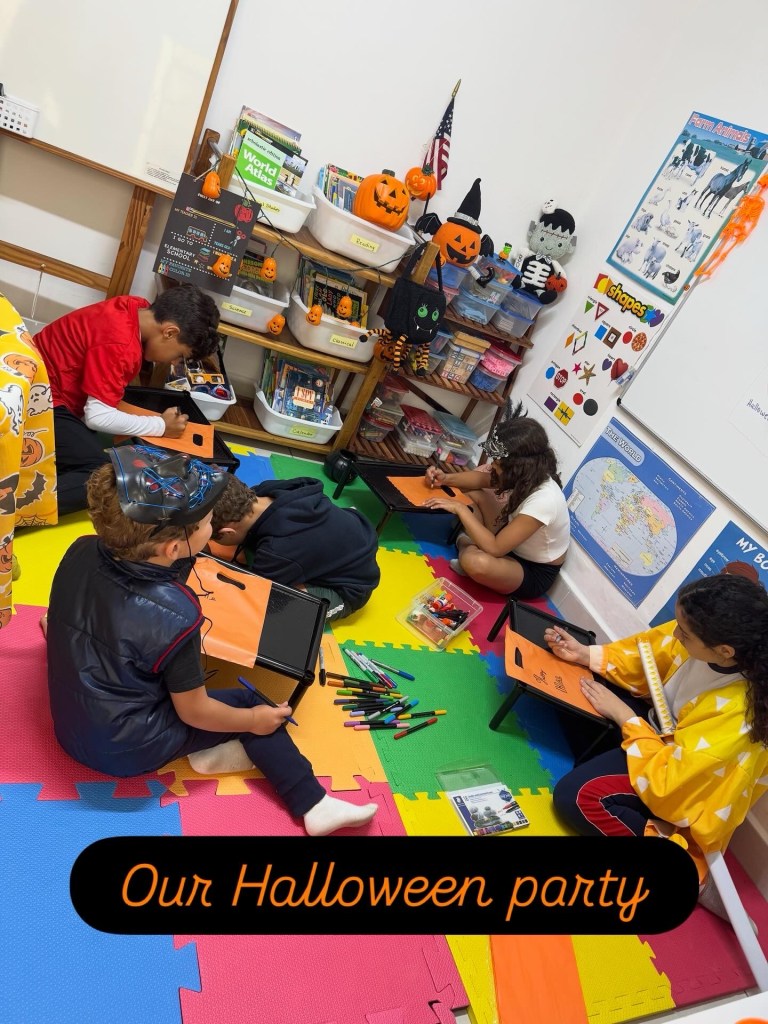


This year, we have prepared a beautiful card for dad with a nice poem, and a special envelope 
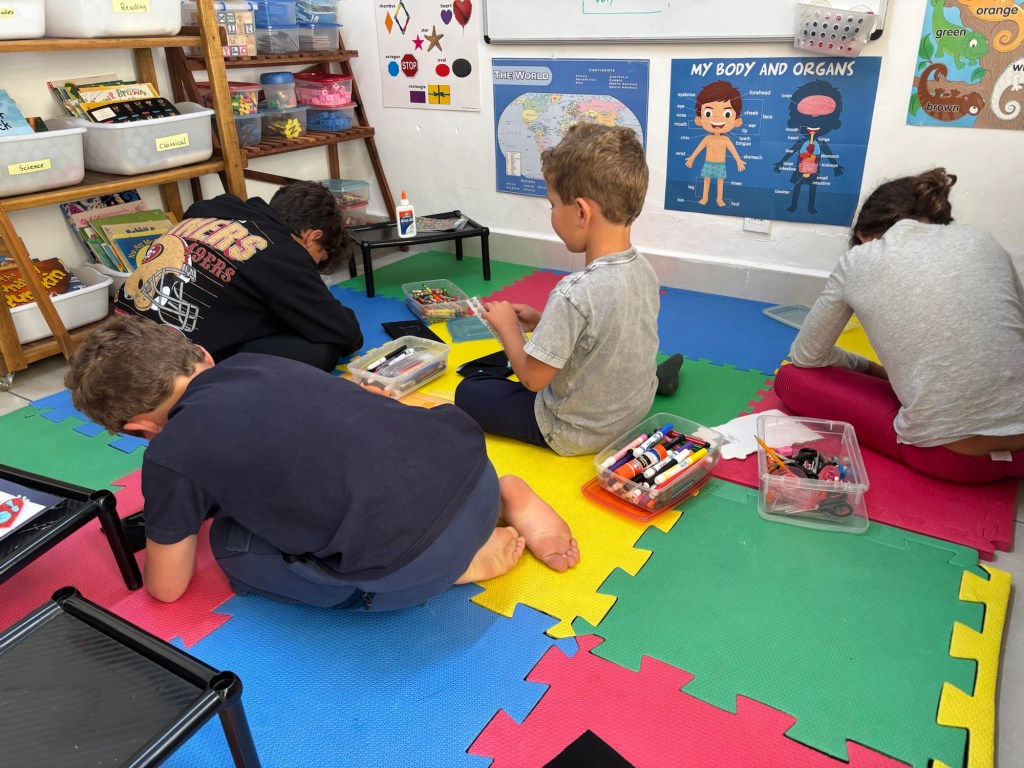



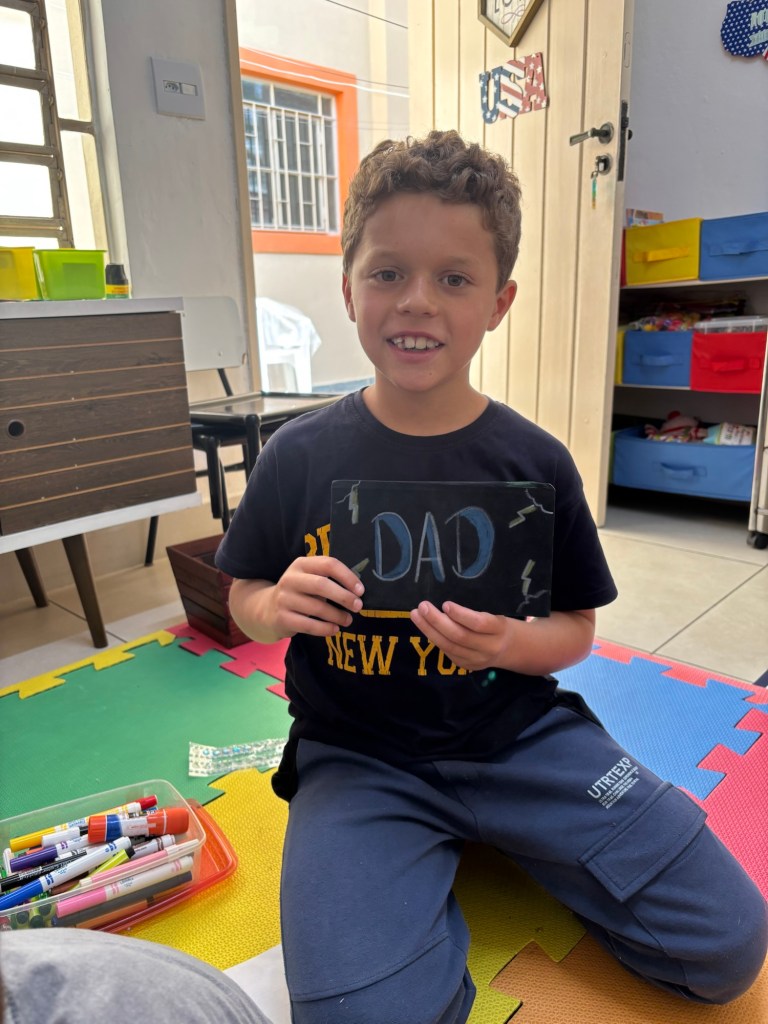
Basic Vocabulary
Atualmente existem muitos Coaches dando aula de inglês. Porém, muitos não têm formação acadêmica para dar aulas. Eles apenas residiram por algum tempo fora do Brasil e aprenderam o idioma.
Para você conseguir um bom profissional de língua inglesa, certifique-se que esse profissional possui certificação, didática e experiência acadêmica na área.


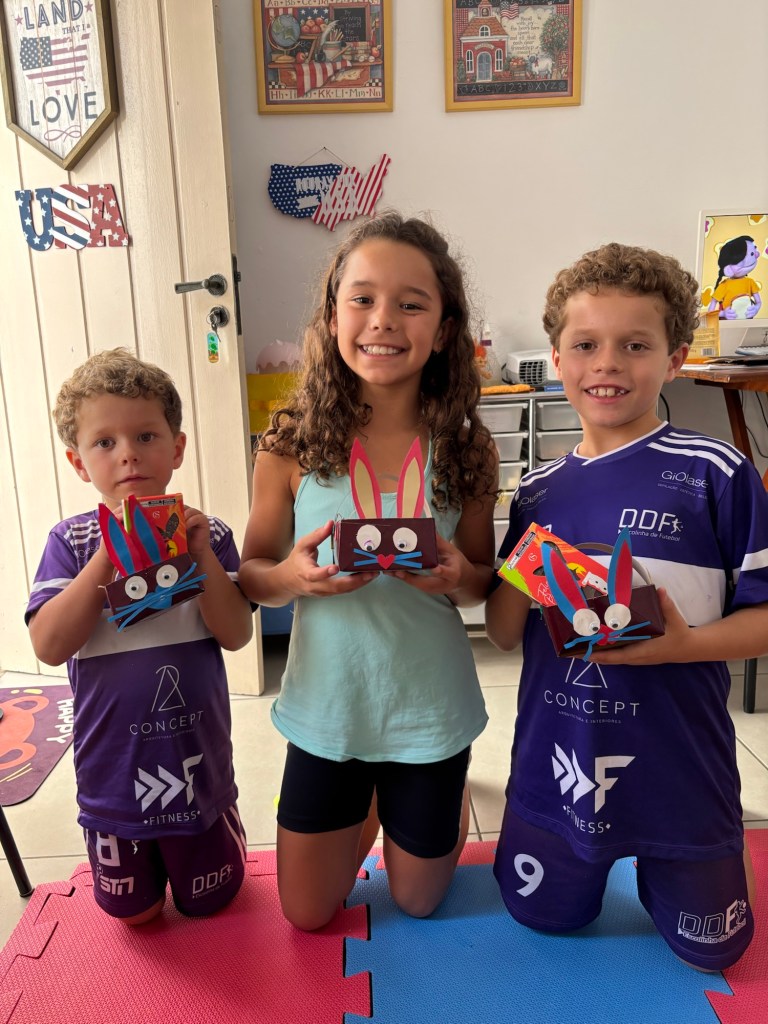
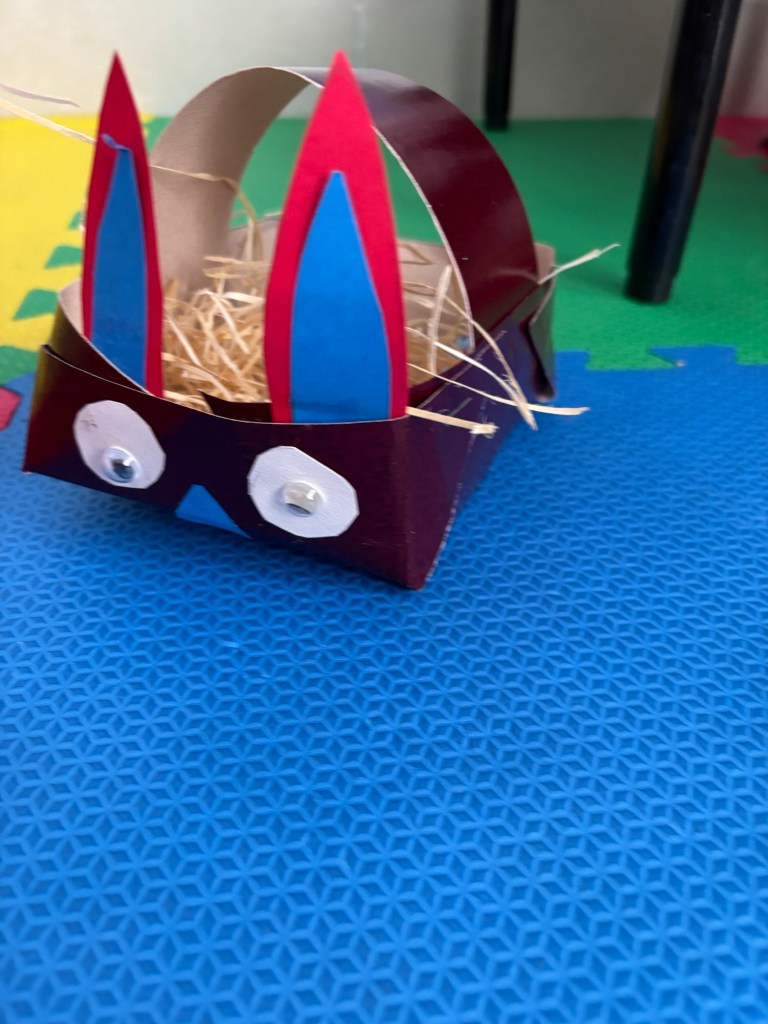
We prepared a basket, folding the paper very carefully, then we put a handle and next we glued the eyes, the nose, the ears, and the whiskers of our bunny.
How did you like it?
Do you have one or more smart speakers at home? Did you know that some of them will allow you to talk to them in two languages? If yours lets you do this, change its settings so that you can give instructions in English as well as your mother tongue.
Once you’ve changed the settings, you can have a lot of fun talking to your smart speaker in English. For example, if you have an Amazon Alexa speaker, this page has lots of funny things you can ask it, such as:
Similarly, if you have a Google Home speaker, there are also lots of entertaining things you can ask, including:
Of course, you can still use English to get useful information from your smart speaker, such as the daily news, weather and delivery status of your online orders. Be creative!
You don’t need an audience to practise speaking English. You can talk to yourself at any time!
The big advantage of talking to yourself is that you can choose whatever topic or theme you like. For example, one day you could decide to speak using the present tense. The next day you could switch to the future or past tenses, and so on.
One top tip is to speak to yourself while standing in front of a mirror. That way you can see how clearly you are pronouncing words and phrases. An even better alternative is to video yourself as you speak in English. This lets you play back the footage and get a more objective view of your pronunciation and fluency.
If it’s difficult for you to dedicate time to speaking English, why not narrate your everyday life? As you walk to the shops, take the bus or train, go for a run or do any other activity, try describing in English what you see around you. How many people are walking ahead of you? What different products are on sale in the shops? How many stops has your bus made on the way to its destination? What would advertising posters say if they were written in English?
Of course, you may not be comfortable speaking out loud when there are other people around. But if even if you narrate your day silently, you’ll be thinking in English – and that’s the main skill you need in order to speak fluently.
This tip is great for polishing your accent, as well as improving your familiarity with spoken English. All you need to do is watch an English-speaking film or listen to anglophone radio or podcasts. When someone speaks, try saying exactly the same thing immediately afterwards. By doing this, you are acting as an ‘echo’ or a ‘shadow’.
For shadowing to work best, don’t stop the audio before you repeat the words. Try to keep up. Why? Because this is the technique developed by linguist Alexander Argüelles, who can ‘read about three dozen languages and speak most of them fluently‘!

You probably read a lot of English to help improve your language skills. Whether you’re interested in online articles, novels and short stories, magazines or anything else, make a habit of reading them aloud whenever possible. That way, you’ll not only become familiar with the written words, but you’ll get valuable practice of speaking them.
It can be incredibly motivating to learn with friends. So, if you have friends who either speak English or are learning it, be sure to create opportunities to talk to each other. Whether you arrange regular English conversation sessions, decide to speak English when you meet up for a drink, or have regular video chats via WhatsApp, Skype or Zoom, you’ll be helping each other to practise and learn.
We’ve already blogged about how online gaming can help you improve your English. Games with online text and audio chat are great because they allow you to communicate with native English speakers as you play. You’ll also learn some really fun gaming slang along the way.
The very best way to improve your spoken English is to spend time learning with an expert English speaker. That way you can get instant feedback on your spoken English, learn lots of idioms and useful phrases, and ask for help when you need it. These days you can access online courses led by English experts, wherever you are in the world. For example, live online classes with English Online give you the opportunity to take part in small-grouptutorials led by an English speaker. Alternatively, you can sign up for one-to-one tuition with a personal English tutor.
Practicing your spoken English needn’t be difficult, and it can often be fun. Be creative, make use of what resources you have available to you and – if possible – try and spend at least some time talking with native speakers. One thing we do know: if you make speaking English part of your daily routine, you’ll learn to speak more fluently, much faster.

 Paula Lyra ELT School