Christmas Ornaments

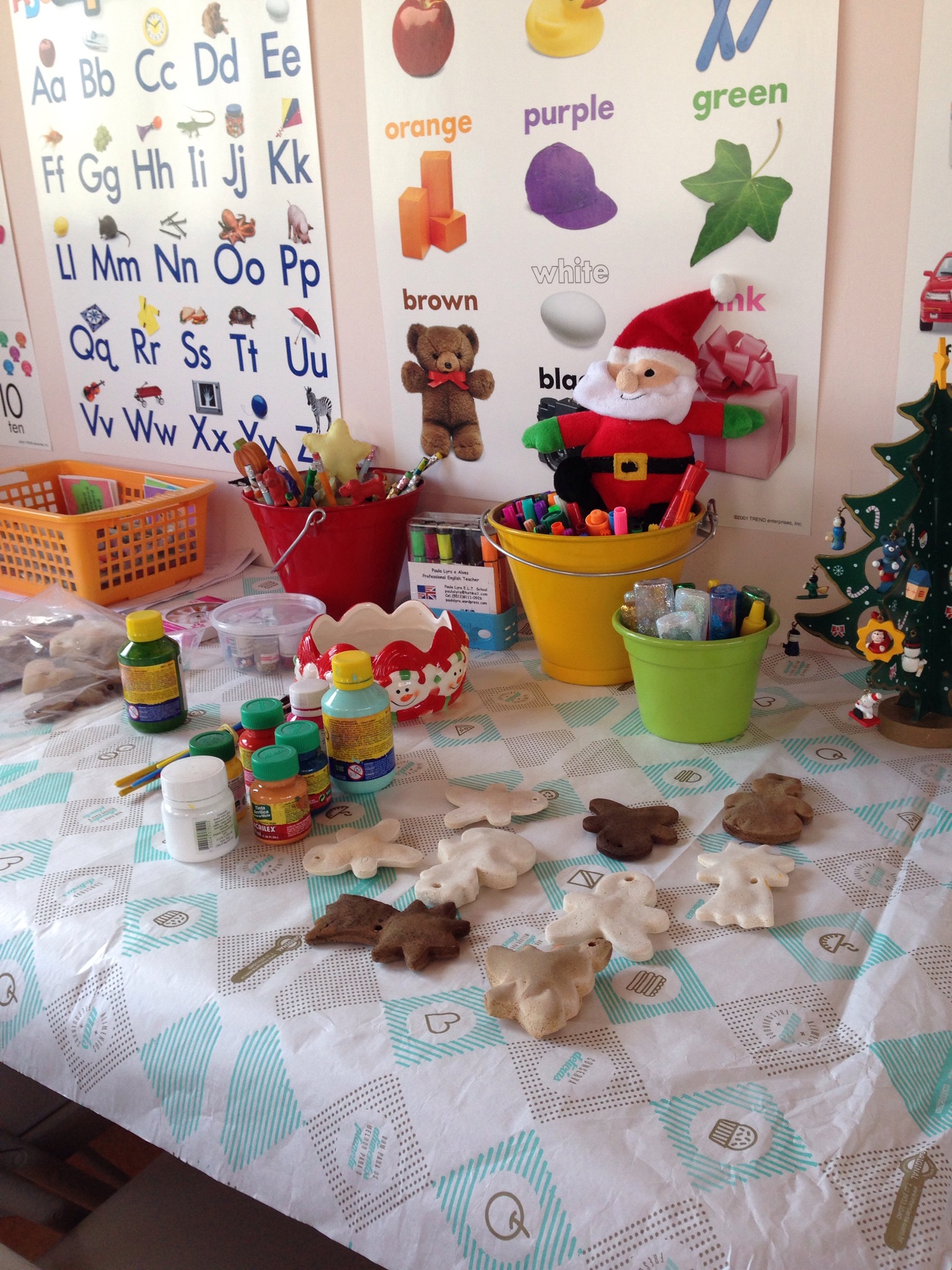
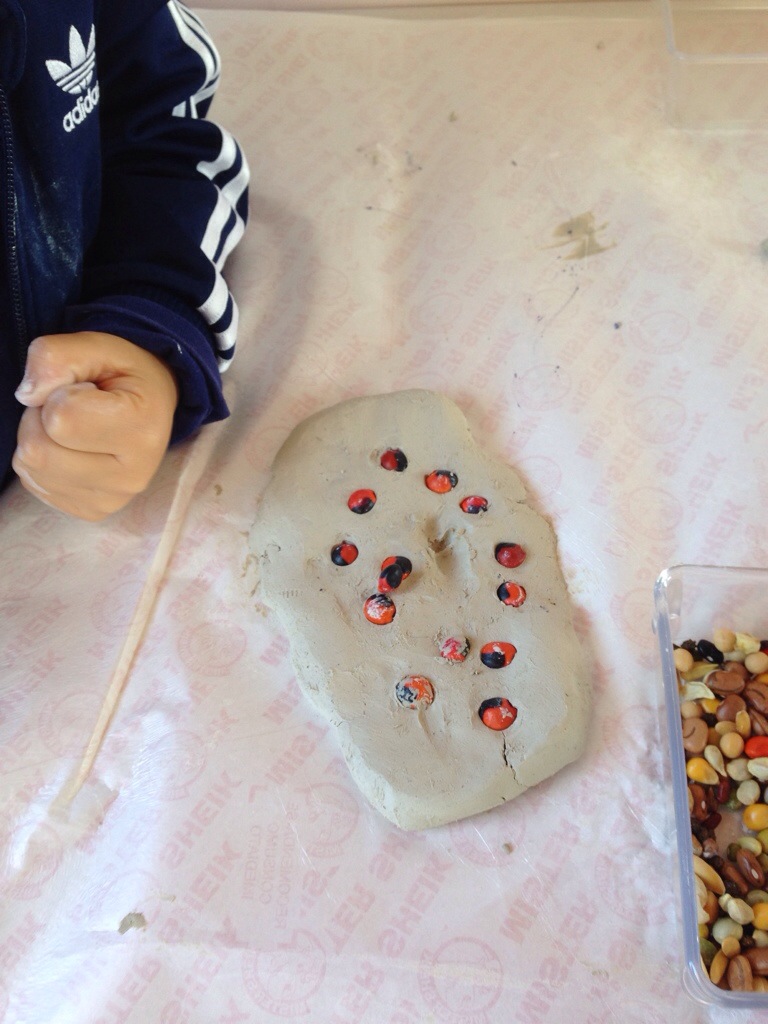
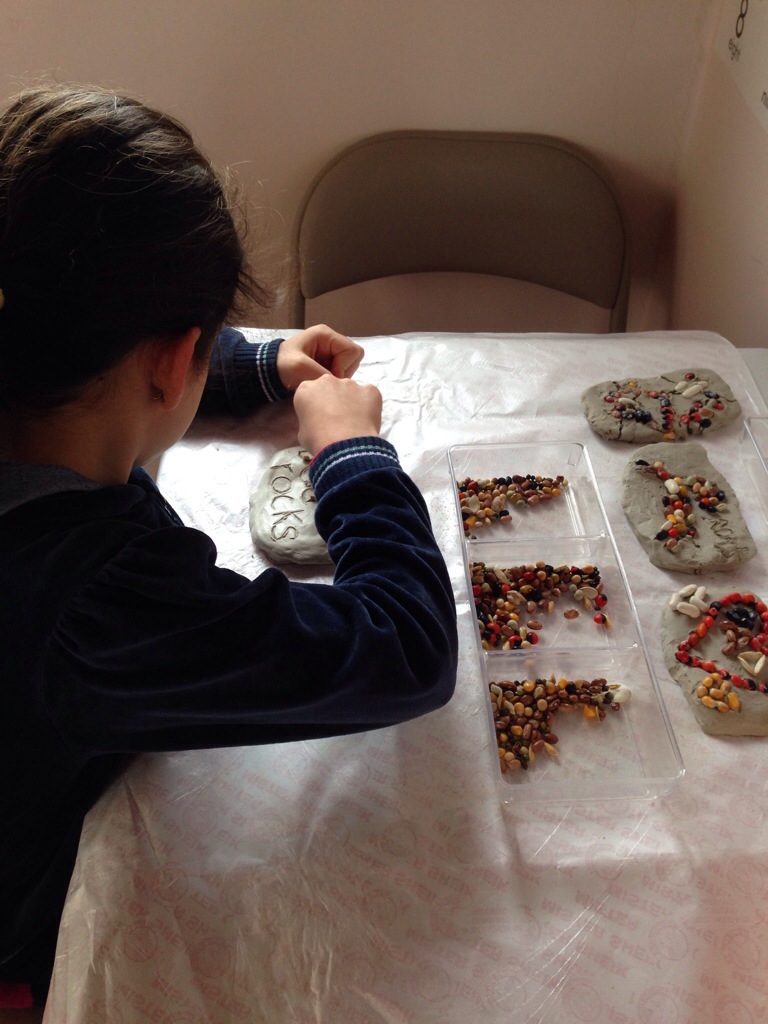
Já está tudo pronto para a criançada confeccionar os enfeites da árvore de Natal.
A massa já foi feita, modelada e assada.
Agora só falta decorar com tinta, glitter e muita imaginação e alegria.!
href=”https://paulalyra.com/wp-content/uploads/2014/12/img_0811.jpg”>IMG_0811.JPG

IMG_0812-0.JPG

In English
Everything is ready for the children to make Christmas tree ornaments.
The dough has already been made, shaped and baked.
Now we need to decorate with paint, glitter and lots of imagination and joy.

Dez Mandamentos para Motivar o Aprendizado de Línguas

Segue boa leitura para profissionais que trabalham com o ensino de idioma.

O restante da matéria pode ser encontrado no link abaixo.
1 Criar um exemplo pessoal com o seu próprio comportamento
2- Desenvolver um bom relacionamento com os alunos
3- Aumentar auto-confiança linguística dos alunos
4- Preparar as aulas interessante
5- Promover a autonomia do aluno
6- Personalizar o processo de ensino
7- Aumentar o direcionamento de metas dos alunos
8- Familiarizar os alunos sobre a cultura do idioma
9- Criar um ambiente descontraído e agradável na sala de aula
10- Apresentar as tarefas de forma adequada

Anuncio Paula Lyra ELT School

In English

Good article for professionals working with the language of instruction.

The rest of it can be found on the link below.

‘Ten commandments for motivating language learners’:
1 Set a personal example with your own behaviour
2- Develop a good relationship with the learners
3- Increase the learners’ linguistic self-confidence
4- Make the language classes interesting
5- Promote learner autonomy
6- Personalise the learning process
7- Increase the learners’ goal-orientedness
8- Familiarize learners with the target culture
9- Create a pleasant relaxed atmosphere in the classroom
10- Present the tasks properly

http://oupeltglobalblog.com/2011/05/06/10-commandments-for-motivating-language-learners/

Inglês- Intensivo de Férias

Você está precisando desenferrujar seu Inglês? Vai fazer alguma viagem pro exterior? Precisa tirar aquele diploma que vai melhorar sua carreira? Criança de férias sem ter o que fazer? Anuncio Paula Lyra ELT School

Então porque não aproveitar o período para estudar Inglês!

Fale comigo, pois tenho aulas individuais e customizadas para atender à sua necessidade específica. Atividades dinâmicas com vídeo, áudio e jogos que ajudam a memorização e aprendizado da língua.

Não deixe passar mais tempo, coloque essa meta para 2015 edscn04171.jpg invista no Inglês agora!

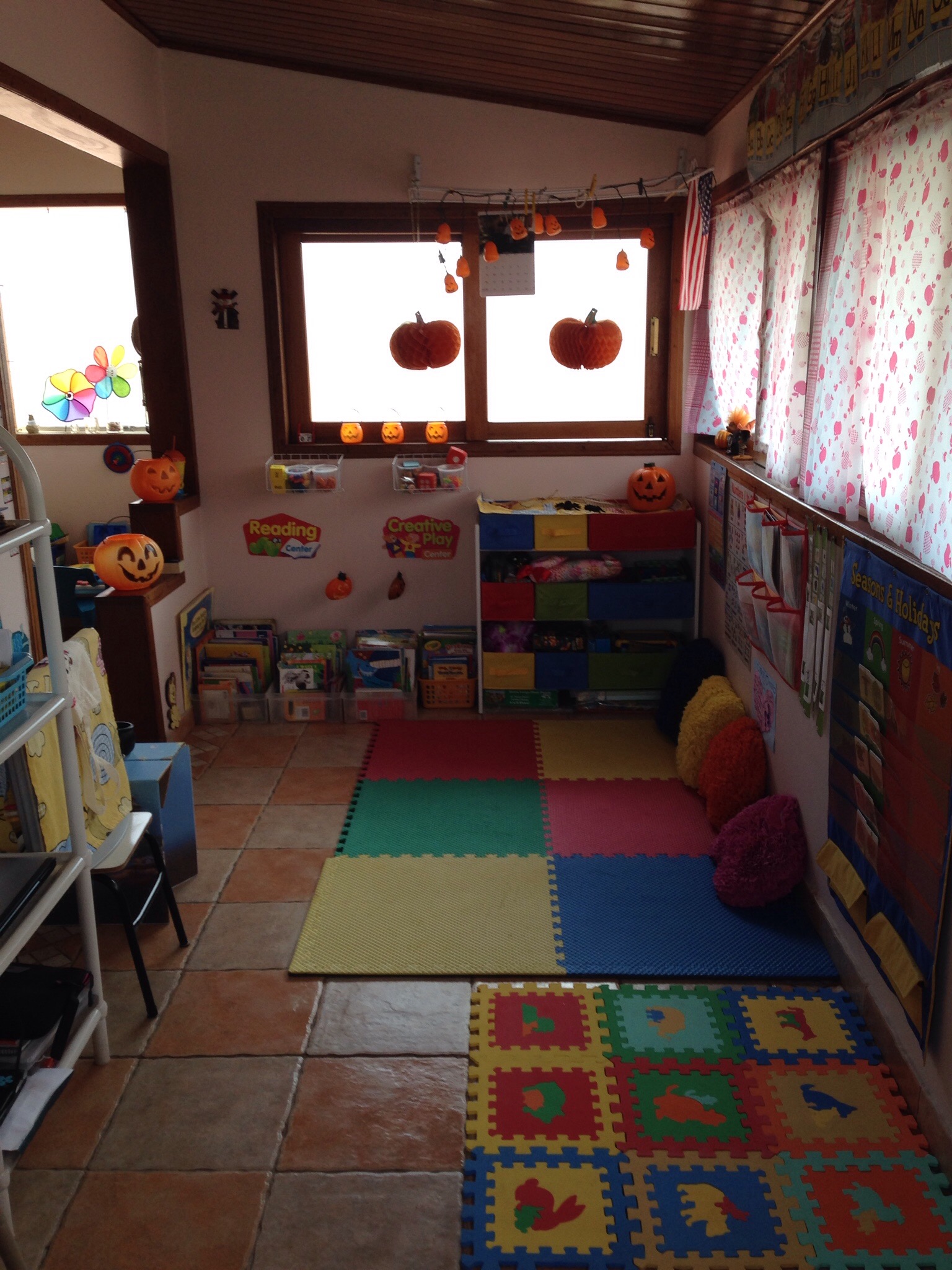
Halloween Celebration

Our Party was spooktacular!
We had a lot of fun with the movie, the activities, the costumes and the treats.
It was a great time that we share with our classmates!Halloween 1IMG_0695-0IMG_0451 Halloween 3


A nossa festa foi espetacular!
Nós tivemos um monte de diversão com o filme, as atividades, as fantasias e as guloseimas.
Foi um grande momento que compartilhamos com nossos colegas.

Children’s Day

It was a very good activity!

The kids had a lot of fun painting and decorating the letters of their names.

We all enjoyed the great time, sang songs, played games, and read the new and exciting books from Scholastic Book Club.

Happy Children’s Day to you all!!

Em Português.

Foi uma atividade muito boa!

As crianças se divertiram muito pintando e decorando as letras de seus nomes.

Todos nós curtimos esse momento agradável, cantamos músicas, jogamos diferentes  jogos e lemos os novos e emocionantes livros da Scholastic Book Club.

Feliz Dia das Crianças a todos !!

IMG_0620.JPG

IMG_0612.JPG

IMG_0618.JPG

IMG_0619.JPG

Spring is Coming!

A primavera está chegando e com ela é hora de aprender sobre insetos e flores.

Butterflies-Insects-And-Flowers

Nesse mês teremos diversas atividades envolvendo: dramatizações, artesanato, experimentos científicos, pesquisas, músicas, histórias com leitura e interpretação sobre a vida de insetos.

Vocês podem pensar que isso é coisa simples, mas existem inúmeras atividades relacionadas aos insetos como: diferentes tipos de patas, assas, tarefas e funções no meio ambiente, metamorfose, como se alimentam e como acontece a polinização.

O mesmo podemos dizer sobre as flores: parte das flores, suas cores, suas épocas, perfumes e porque atraem aos insetos.

Ao longo das semanas, iremos postando fotos sobre as atividades e de como estas foram desenvolvidas.

Portanto, como vocês podem ver, teremos muita coisa interessante para fazer durante essa estação e muitos livros bacanas para lermos e aprendermos mais sobre esse mundo fantástico dos insetos e flores!

Pais e Amigos podem ajudar recolhendo informações sobre o tema como: fotos, cartazes, brinquedos, fantoches, etc e enviando-as nos dias de aula.

Obrigada e Feliz Primavera a todos vocês.

daisy and ladybug

In English

Spring is coming and it is time to learn about insects and flowers.

This month we will have several activities involving: drama, crafts, science experiments, research, music, reading and interpreting stories about the life of insects.

You may think this is a simple thing, but there are numerous activities related to insects such as different types of legs, wings, tasks and functions in the environment, metamorphosis, how they eat and how pollination happens.

The same can be said about the flowers: part of flowers, their colors, their times, their perfumes, and why to attract insects.

Over the weeks, we will be posting photos on the activities and how they were developed.

So as you can see, we have lots of interesting things to do during this season and many cool books to read and learn more about this amazing world of insects and flowers!

Parents and friends can help by collecting information on the subject as: photos, posters, toys, puppets, etc. and sending them on school days.

Thanks and Happy Spring to all of you.


Entenda Sobre Déficit de Atenção

O que é Déficit de Atenção? Será esse o problema de seu Filho?

Isso não e um bicho de sete cabeças

 Conheça mais do problema e saiba como proceder sem deixar que ele atrapalhe o desenvolvimento da turma

 Agitação durante a aula, falta de atenção, problemas com os colegas, desorganização com o material escolar, tarefas inacabadas. Esses são alguns sinais que o aluno pode sofrer de TDAH, o transtorno do déficit de atenção com hiperatividade, um transtorno neurobiológico de causa genética que pode atrapalhar o desempenho escolar de todos os alunos.

“Identificar o TDAH não e tão simples como parece: algumas crianças manifestam apenas as características de distração, esquecimento e lentidão, sem demonstrar hiperatividade”, afirma Cacilda Amorin, psicóloga, psicoterapeuta comportamental e diretora do IPDA, instituto paulista de déficit de atenção. Ela alerta que essas crianças nem sempre chamam atenção em sala de aula às vezes passam despercebida. ”Todas as crianças têm pelo menos uma dessas características, especialmente as menores. É preciso tomar cuidado para não colocar rótulos quando se trata de um transtorno”, diz.

 O que ela pode causar?

 Uma criança com TDAH tem as mesmas habilidades e competências que os outros alunos. O que o professor deve saber antes de tudo é que não se trata de uma incapacidade de aprendizagem da criança, mas sim de um transtorno de atenção, o que faz com que elas não tenham um comportamento coerente com os outros alunos e tenha dificuldades de acompanhar o conteúdo ministrado em sala de aula.

Na escola, esse déficit de atenção, quando age em conjunto com a hiperatividade em algumas crianças, pode influenciar diretamente a dinâmica das aulas, prejudicando o desempenho dos outros alunos. Nesses casos a criança acaba se tornando um ponto permanente de dispersão para a classe, além de aumentar a possibilidade de estabelecer um vínculo negativo com o professor.

 Como identificar?

 O TDAH pode ser verificado por meio da observação atenta do comportamento e da dinâmica que as aulas adquirem na interação com os alunos. Crianças muito agitadas, que não concluem as tarefas, frequentemente deixam questões em branco e não estudam com antecedência podem estar sofrendo com o transtorno. Comportamentos muito discrepantes para alunos de uma mesma idade podem significar um déficit de atenção, mas podem também ter outras origens como a dislexia, problemas emocionais ou déficits na alfabetização.

É recomendável ter bastante cautela, antess de estabelecer mudanças em relação à distúrbios  causados pelo transtorno.

 O que fazer?

 Uma vez que existam sintomas do TDAH e que se verifique uma interferência no desempenho escolar causado pelo transtorno, o professor deve em primeiro lugar recorrer ao psicólogo da escola ou coordenador pedagógico. Eles poderão ajudar a decidir a maneira mais adequada de lidar com a turma. Em conjunto com a coordenação da instituição, o professor pode seguir algumas orientações básicas que servirão para reduzir o TDAH no desempenho do aluno em sala de aula:

Localização da carteira na sala: longe da portas e das janelas e mais próximo do professor. Não precisa ser obrigatoriamente na primeira fila.

Monitore a realização dos trabalhos, atividades e especialmente agenda: dar tempo extra, copiar a lição na agenda se for o caso chamar atenção em caso de distração são algumas medidas.

Reduza a quantidade de tarefas, se necessário, para que ele consiga realizar: construa uma história de sucesso.

Em provas, confira ao recebê-las: cheque se há questões em branco, mostre o que ele poderia refazer ou tentar melhorar.

Valorize os pontos positivos e combine consequências em caso de não cumprimento.

Nunca critique a criança, somente o comportamento indesejado.

Valorize o esforço, não os resultados.

 Fonte: Texto da Revista Guia Prático para Professores do Ensino Fundamental 1 por Luciano Vanderley adaptado por Paula Lyra 

 dscn04171.jpgIn English 

Attention deficit is not rocket science

  Know more of the problem and know how to proceed without letting it hinder the development of class

  Agitation during class, inattention, problems with colleagues, disorganization with school supplies, unfinished tasks. These are some signs that a student may suffer from ADHD, the disorder Attention-deficit hyperactivity disorder, a neurobiological disorder of genetic origin which can hinder the academic performance of all students.

“Identifying ADHD is not as simple as it sounds: just some children manifest the characteristics of distraction, forgetfulness and slow, no show hyperactivity,” says Cacilda Amorin, psychologist, behavioral psychotherapist and director of the IPDA, São Paulo Institute of attention deficit, Brazil. She warns that these children do not always draw attention in class sometimes go unnoticed. “All children have at least one of these features, especially smaller ones. Care must be taken not to put labels when it is a disorder, “he says.

  What can it cause?

  A child with ADHD has the same abilities and skills than other students. What teachers should know first of all is that it is not a learning disability of the child, but an attention disorder, which causes them to not have a coherent behavior with other students and has difficulties to follow content taught in the classroom.

At school, this attention deficit, when acting together with hyperactivity in some children, can directly influence the dynamics of the classes, harming the performance of other students. In these cases the child ends up  permanently dispersal from the group, as well as increasing the possibility of establishing a negative relationship with the teacher.

  How to identify?

  ADHD can be verified through careful observation of the behavior and dynamics that classes get in the interaction with students. Very restless children, who do not complete the tasks, often leave questions blank and do not study in advance may be suffering from the disorder. Very disparate behaviors to students of the same age can mean a deficit of attention, but can also have other causes such as dyslexia, emotional problems or deficits in literacy.

It is recommended extreme caution Andes to establish changes in relation to the disturbances caused by the disorder.

  What to do?

  Since there are symptoms of ADHD and there is a school performance interference caused by the disorder, the teacher must first appeal to the school psychologist or educational coordinator. They can help you decide the most appropriate way to deal with the group. In conjunction with other experts, the teacher can follow some basic guidelines that will serve to reduce ADHD in student achievement in the classroom:

Location of the classroom chair in the room: away from doors and windows and the nearest teacher. Need not necessarily be in the front row.

Monitor the execution of the work, activities and especially schedule to give extra time to copy the lesson on the agenda if necessary draw attention in case of distraction are some measures.

Reduce the amount of tasks, if necessary, so that he can accomplish – build a success story.

In evidence, check to receive them – check if there are questions blank, show what he could redo or try to improve.

Appreciate the positives and combine consequences in case of non-compliance.

Never criticize the child, only the undesired behavior.

Appreciate the effort, not the results.

  Source: Text of the journal Practical Guide for Teachers of Elementary School 1 (Brazil) by Luciano Vanderlay adapted by Paula Lyra Homework

Ten Reasons to Learn English

Aprender Inglês é fundamental nos dias de hoje, pois esse aprendizado é necessário para diferentes propósitos em nossa vida.

Listarei agora em Português e  em Inglês 10 razões para que você veja como é importante aprender Inglês.

dscn04171.jpg

1. Learning English is fun.

Take time to have fun learning English by listening to music,watching a movie, challenging yourself to games in English. There are so many opportunities to learn English while having fun. There’s no excuse not to enjoy yourself, even if you have to learn grammar.

2. English will help you succeed in your career.

This is obvious to anyone who lives in our modern world. Employers want employees who speak English. This might not be fair, but it is the reality. Learning English to take a test such as the IELTS or TOEIC will give you a qualification that others might not have, and that might help you get the job you need.

3. English opens up international communications.

You are on the internet learning English right now. This author in the United States writing articles about learning English. You are probably living in two different places, and you have been brought up in different cultures. We all know the world needs more love and understanding. What better way to improve the world than to communicate in English (or other languages) with those from other cultures?!

4. Learning English will help open your mind.

Learning English will help you understand the world through a different language. It will also help you view the world through a different perspective. In other words, learning English helps to open your mind.

5. Learning English will you help your family.

Being able to communicate in English can help you reach out and discover new information. This new information could help save the life of someone in your family.  Just imagine yourself on a trip and you are responsible for communicating with others in English. Your family will be very proud!

6. Learning English will keep Alzheimer’s away.

Scientific research says that using your mind to learn something helps keep your memory intact. Alzheimer’s – and other diseases dealing with brain functions – isn’t nearly as powerful if you’ve kept your brain flexible by learning English.

7. English will help you understand Americans and Brits.

American and British cultures are rather strange at times. Speaking English will certainly give you insight into why these cultures are so crazy! Just think, you will understand English cultures, but they probably won’t understand yours because they don’t speak the language. That’s a real advantage in so many ways.

8. Learning English will help you improve your sense of time.

English is obsessed with verb tenses. In fact, there are twelve tenses in English. You can be sure that by learning English you will gain a keen sense of when something happens due to the English language’s use of time expressions.

9. Learning English will allow you to communicate in any situation.

Chances are that someone will speak English no matter where you are. Just imagine you are on a deserted island with people from all over the world. Which language will you speak? Probably English!

10. English is the world language.

More people speak Chinese, more nations have Spanish as their mother tongue, but, realistically. English is the language of choice throughout the world today.

Source: Quer ler a matéria na íntegra: http://esl.about.com/od/intermediateenglish/fl/Ten-Reasons-to-Learn-English.htm?nl=1

Em Português

1. Aprender Inglês é divertido.

Tire um tempo para se divertir aprendendo Inglês, ouvindo música, assistindo a um filme, desafiando-se a jogos em Inglês. Há tantas oportunidades para aprender Inglês, enquanto se diverte. Não há desculpa para não se divertir, mesmo se você tem que aprender gramática.

2. Inglês irá ajudá-lo a ter sucesso em sua carreira.

Isso é óbvio para qualquer um que vive em nosso mundo moderno. Os empregadores querem funcionários que falam Inglês. Isto pode não ser justo, mas é a realidade. Aprender Inglês para fazer um teste como o IELTS ou TOEIC lhe dará uma qualificação que os outros podem não ter, e isso pode ajudá-lo a conseguir o emprego que você precisa.

3. Inglês abre as comunicações internacionais.

Você está na internet aprendendo Inglês agora. Esse autor está nos Estados Unidos a escrever artigos sobre aprender Inglês. Vocês provavelmente estamos vivendo em dois lugares diferentes, e foram educados em diferentes culturas. Nós todos sabemos que o mundo precisa de mais amor e compreensão. Que melhor maneira de melhorar o mundo do que se comunicar em Inglês (ou outros idiomas) com aqueles de outras culturas?

4. Aprender Inglês vai ajudar a abrir sua mente.

Aprender Inglês o ajudará a entender o mundo através de uma linguagem diferente. Ele também irá ajudá-lo a ver o mundo através de uma perspectiva diferente. Em outras palavras, aprender Inglês ajuda a abrir sua mente.

5. Aprender Inglês você vai ajudar sua família.

Ser capaz de comunicar em Inglês pode ajudá-lo a alcançar e descobrir novas informações. Esta nova informação poderia ajudar a salvar a vida de alguém em sua família. Imagine-se em uma viagem e você é responsável por comunicar com os outros em Inglês. Sua família vai estar muito orgulhoso!

6. Aprender Inglês vai manter-se longe de Alzheimer.

A investigação científica diz que o uso de sua mente para aprender alguma coisa ajuda a manter sua memória intacta. Alzheimer – e de outras doenças relacionadas com as funções do cérebro – não é tão poderosa, se você manteve o seu cérebro flexível, aprendendo Inglês.

7. Inglês o ajudará a entender-americanos e britânicos.

Culturas americanas e britânicas são bastante estranha às vezes. Falar Inglês irá certamente dar-lhe uma visão sobre por que essas culturas são tão loucos! Basta pensar, você vai entender culturas inglesas, mas eles provavelmente não vão entender o seu, porque eles não falam o idioma. Isso é uma vantagem real de tantas maneiras.

8. Aprender Inglês irá ajudá-lo a melhorar o seu senso de tempo.

Inglês é obcecado com tempos verbais. Na verdade, há doze tempos em Inglês. Você pode ter certeza que, ao aprender Inglês, você vai ganhar um grande senso de quando algo acontece devido ao uso do idioma Inglês de expressões de tempo.

9. Aprender Inglês irá permitir que você se comunique em qualquer situação.

As chances são que alguém irá falar Inglês, não importa onde você está. Imagine que você está em uma ilha deserta com pessoas de todo o mundo. Que linguagem você vai falar? Provavelmente Inglês!

10. Inglês é a língua mundial.

Mais pessoas falam chinês, mais nações têm o espanhol como língua materna, mas, de forma realista. Inglês é a língua de escolha em todo o mundo hoje.

Final da Colônia de Férias

Nossos projetos, brincadeiras, teatro, cinema e jogos chegaram ao fim.
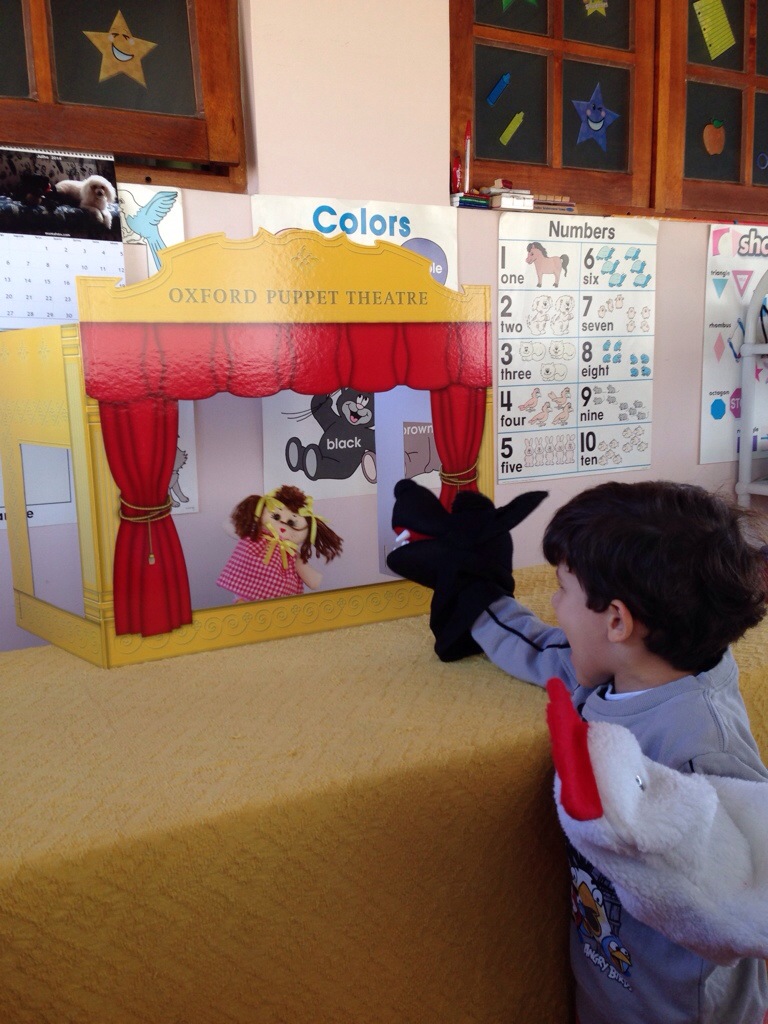
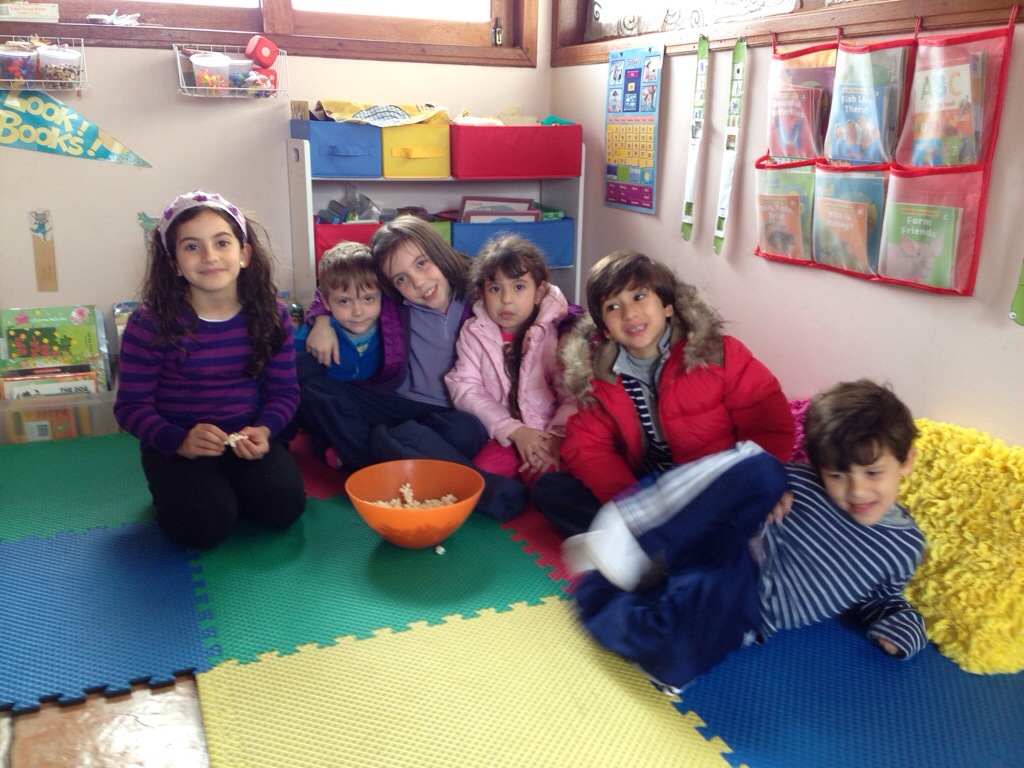
Tivemos uma temporada muito proveitosa e aprendemos sobre ecossistemas, brincamos com fantoches, jogamos games, assistimos a um vídeo e comemos pipoca.
Gostaria de agradecer a todos pela presença e aos amigos novos que apareceram e
que nos alegraram mais ainda nas aulas.
Agora temos um novo semestre pela frente com mais atividades e conquistas.
E vamos em frente.

20140731-195148-71508842.jpg

20140731-195147-71507946.jpg

20140731-195147-71507029.jpg

In English
Our projects,, theater, film and games come to an end.
We had a very fruitful season and learned about ecosystems, played with puppets, with games, watched a video and ate popcorn.
I would like to thank everyone for coming, especially the new friends who came and cheered our classes even more.
Now we have a new semester ahead with more activities and achievements.
And let’s move on.