Where did you go?
What did you do?
Tell me about it!

Where did you go?
What did you do?
Tell me about it!
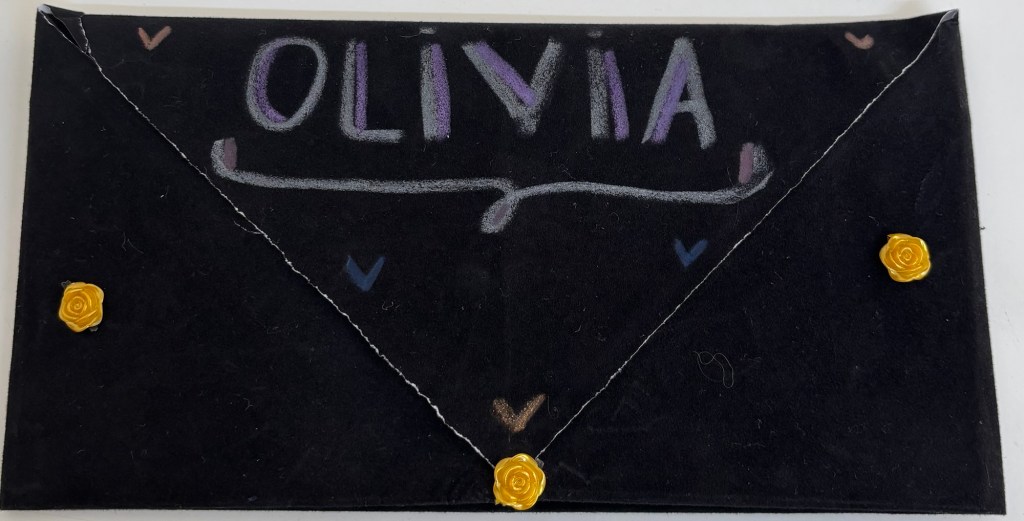
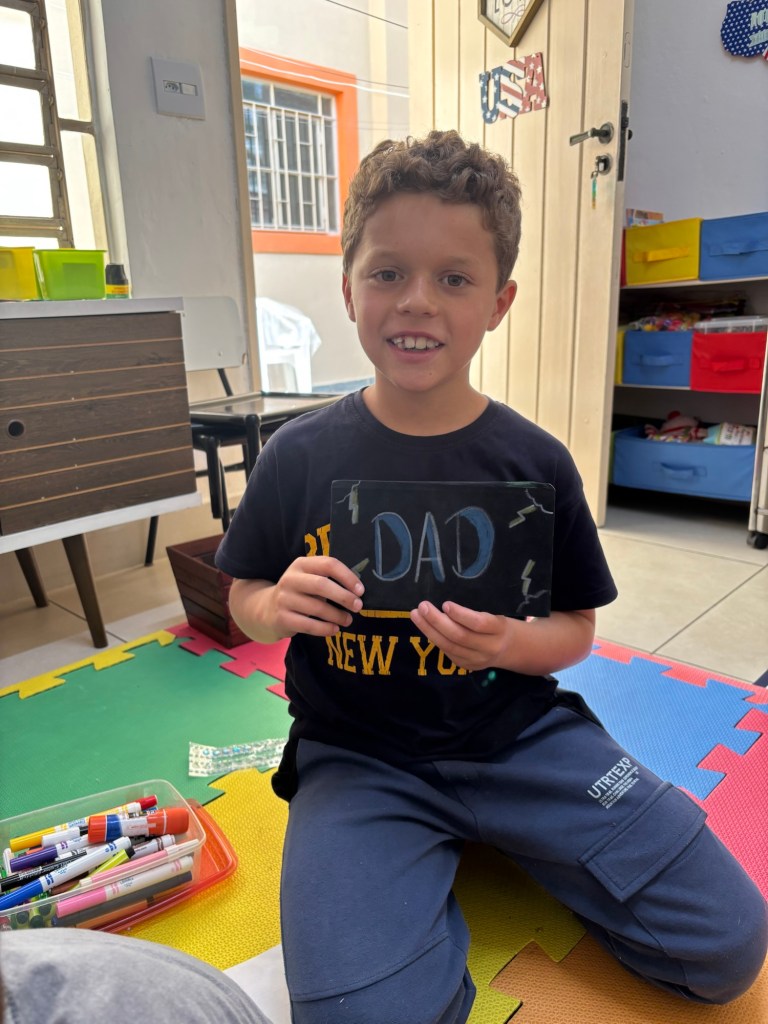
This year, we have prepared a beautiful card for dad with a nice poem, and a special envelope 
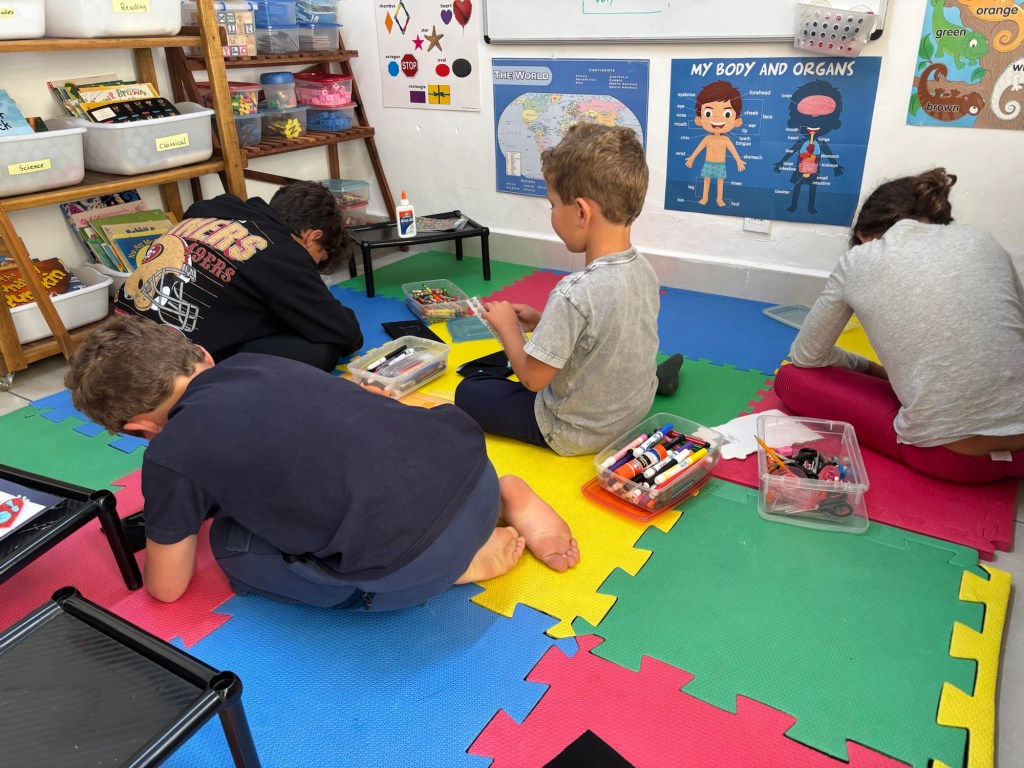


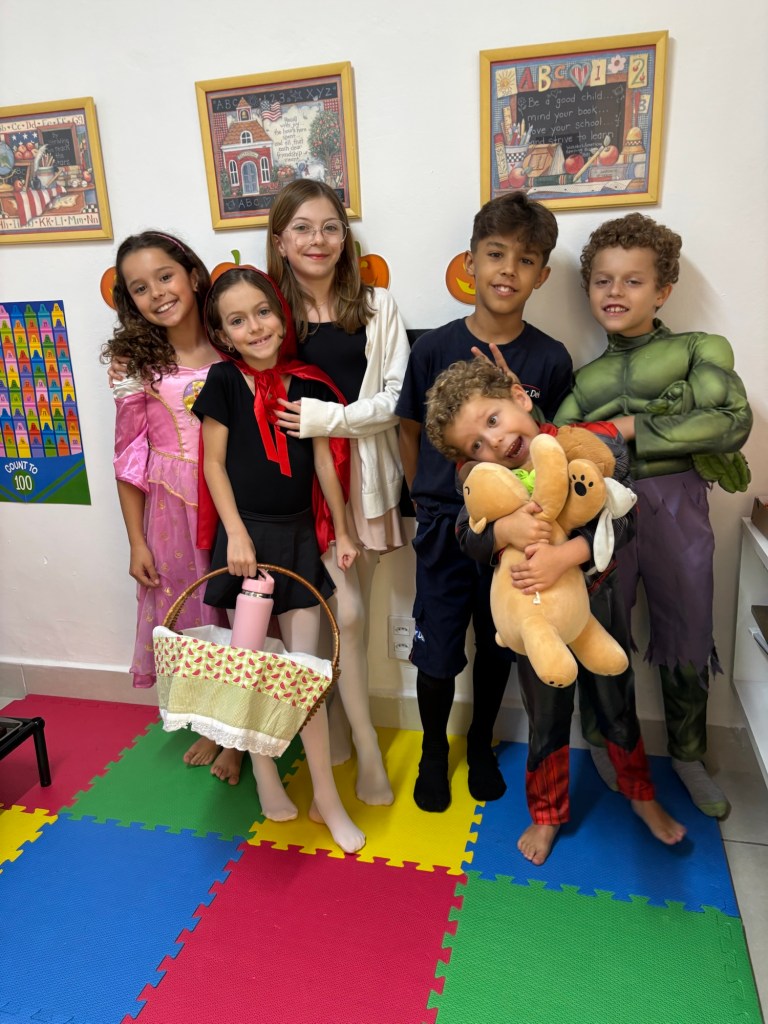
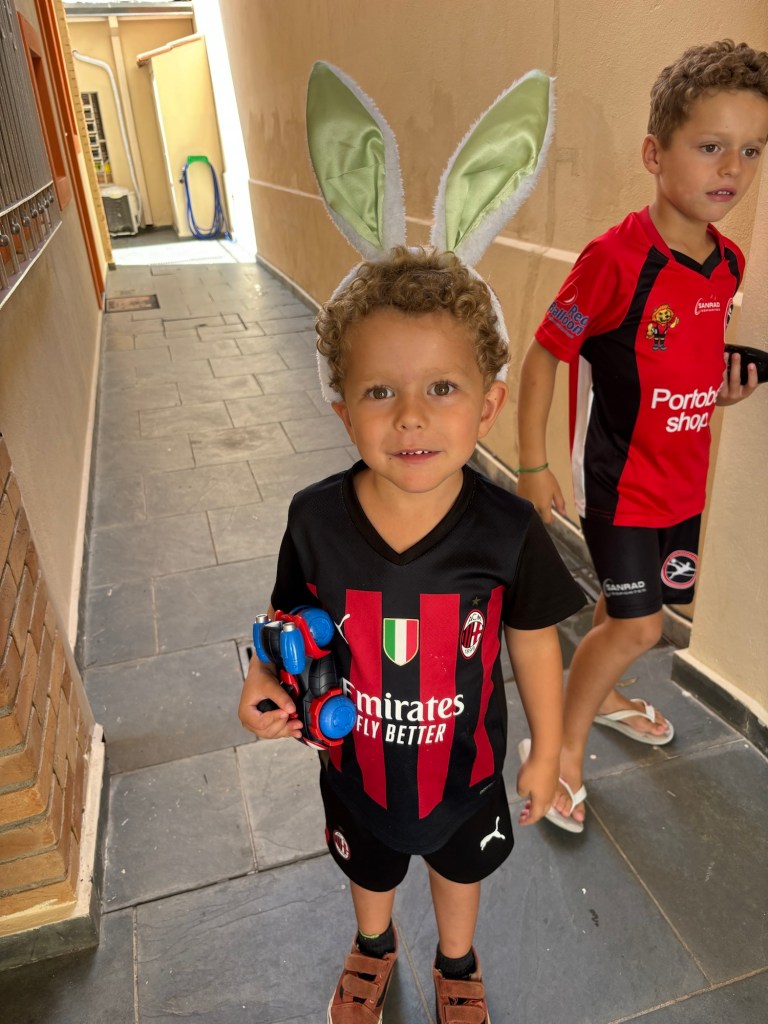
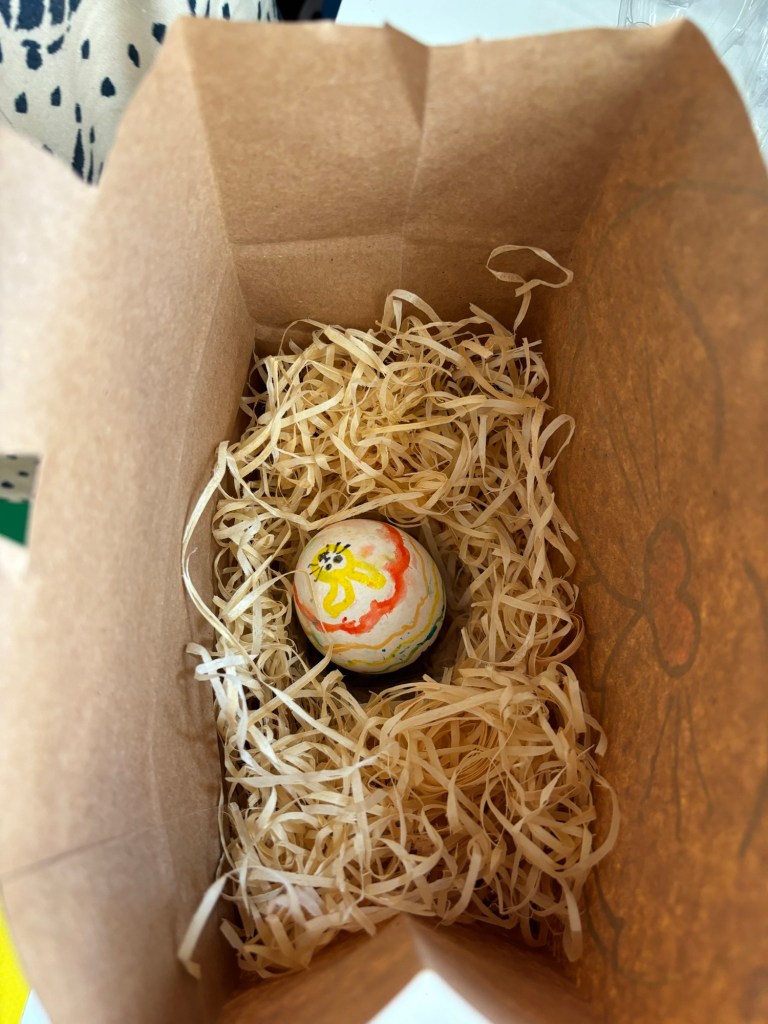
Everybody enjoyed the fun activity where they have to prepare their own baskets, to color the eggs and to have fun!


As parents, we are busy – especially in the morning! It can be difficult to establish a consistent calendar routine this time of day.

1. Keep it simple. Don’t try to achieve too many things with your calendar routine or you won’t be consistent. Start with the basics. If you need to, do your calendar routine the night before when things are calmer in the house.
2. Add your calendar routine to you child’s morning job chart. Check off the tasks on this chart each morning so you don’t forget any of them. This signals that the calendar routine is important and, if it is on the morning job chart, you will do it consistently. For more on morning routines, check out this post:
3. Start with a ‘days of the week’ song. See the videos below if you need more ideas. I’d like to give a shout out to Blanca Stingl, an amazing kindergarten teacher with a great calendar routine. I got many of these ideas from her. Give your child a pointer and allow him/her to point at the days of the week as you sing. When you introduce letter sounds, have your child look for the day of the week that starts with the ‘mmm’ sound (Monday).
4. Help your child select the number for the date. By doing this repetitively, your child will soon recognize numbers to 30.
5. Sing a ‘months of the year’ song. You may only want to do this a couple of times each month. If your child is getting bored or fidgety, keep your calendar routine shorter. Create a dance or let your child use the pointer for the months of the year to keep him/her moving.
6. Sing “What’s the weather like today?”. Then, look out the window and decide. Put up the appropriate weather label.
7. Finally, mention the season. You may want to read a book about ‘winter’ when the season changes. Discuss winter clothing, activities, and changes in the environment. You can do this each time a season changes. This can be a starting point for some great seasonal learning activities.
Earth Day, which was established in 1970 in the US, is celebrated on 22nd April each year. It is a day to think about our planet and what we can do to keep it special; to think about saving water and energy, reducing pollution, recycling, protecting our animals, trees and plants, and generally getting kids interested in protecting their environment.
“Treat the Earth well. It was not given to you by your parents, it was loaned to you by your children.
Kenyan proverb

Here are some quick ideas for celebrating Earth Day with your children:
Source: https://www.activityvillage.co.uk/earth-day?awt_a=8YG5&awt_l=5S26Y&awt_m=IpVSHZyq2VDtG5
The feast of Passover, one of the most important Jewish festivals, will next be celebrated by Jews all around the world from 5th to 13th April 2023. Known as Pesach in Hebrew, Passover has been celebrated since about 1300 BC, and families coming together, from great distances if necessary, to celebrate together. The celebration last for seven or eight days depending on where you live.
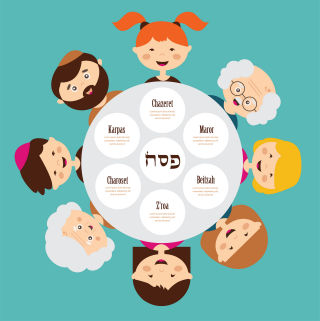
The Book of Exodus in the Old Testament of the Bible tells the story of Passover. The people of Israel had been slaves in Egypt for over years. Although God promised he would release them from slavery, it seemed that the Pharaoh (the king of Egypt) had other ideas! When Moses was a very old man, he and his brother Aaron visited Pharaoh and demanded, in the name of God, that he let their people go. Pharaoh refused, claiming that he did not recognise God. Moses warned him that God would send ten plagues to Egypt to show his power.
All these plagues affected only the Egyptians. God protected Moses’ people and the Israelites were unaffected. Pharaoh, however, still refused to budge, so God sent his final, terrible plague:
Sure enough, at midnight the angel went through Egypt and every first born son was struck down, including Pharaoh’s son. The Israelite households were passed over (which is where the name of this holiday comes from). The people of Egypt were terrified and called on Pharaoh to banish the people of Israel right away, which he did. In fact, the Israelites left in such a hurry that there wasn’t time for their bread dough to rise, which is why no risen (leavened) bread is eaten during Passover now. Moses led the people out of Egypt.

There is so much inspiration to be gained from learning about Famous People of the past and present – what they achieved and how – particularly when you can put them into the context of their time. Here we take a look at famous women from all walks of life, cultures and careers, and learn about their remarkable achievements.
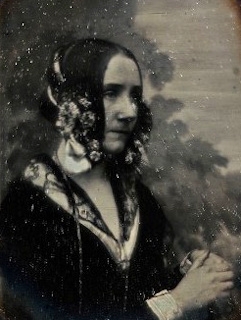
Ada Lovelace (1815–1852) was a British mathematician who is credited with being the world…
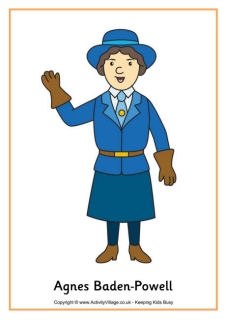
Agnes Baden-Powell was Robert Baden-Powell‘s sister. She…
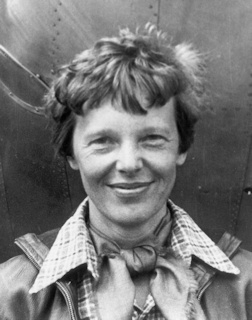
Amelia Earhart (1897–1937) was an American pilot famous for becoming the first woman to…
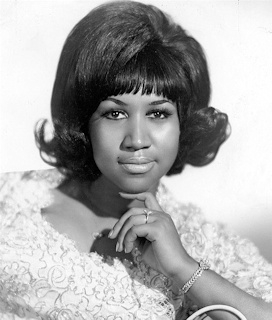
Aretha Franklin (1942–2018) was a multi-award winning American singer, songwriter and…

Children can learn a little about Bessie Coleman, a remarkable and determined women born in the…
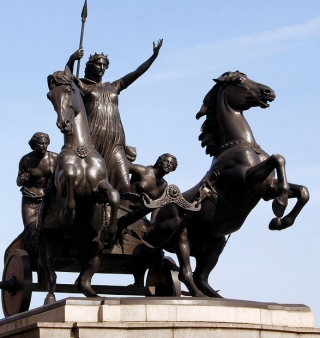
Boudicca (c. 30 AD – c. 61 AD), also known as Boadicea, was a Celtic queen who showed…

Charlotte Brontë, 1816 to 1855, was the eldest of the three famous Brontë sisters and the author…
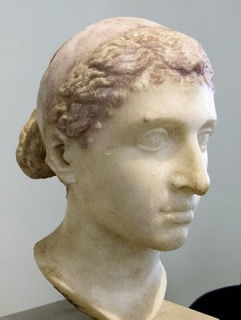
Cleopatra VII Philopator (69–30 BC) was a beautiful and ambitious Egyptian queen, famous…
Learn a little about Emily Brontë here, and then enjoy our fun colouring pages and printables…
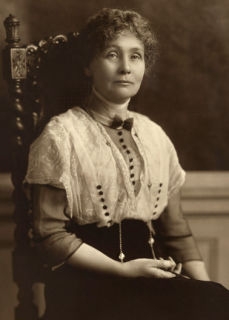
Emmeline Pankhurst (1858–1928) was a leader of the British suffragette movement and an…

Enid Blyton (1897 to 1968) wrote well over 500 children’s books in her long writing career,…

Florence Nightingale (1820–1910) was a famous nurse who spent her life improving the…

George Eliot (1819–1880) was a famous English novelist living in Victorian times. Her real…
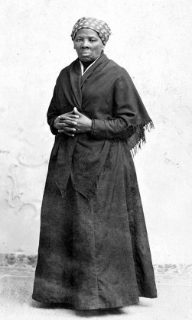
NEW! Children can learn a little about Harriet Tubman, remarkable “Moses” of the…

Helen Keller (1880–1968) was an American author, activist and lecturer admired worldwide…
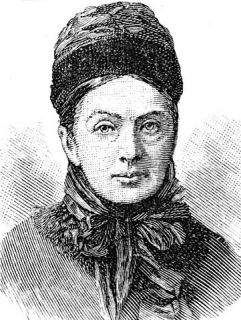
Isabella Bird (1831–1904) was an intrepid and adventurous travel writer and photographer…

Find out a little about the author of Harry Potter, JK Rowling, and use our printable activity…
Jane Austen (1775 to 1818) is one of the most widely read and loved authors of all time. Her…
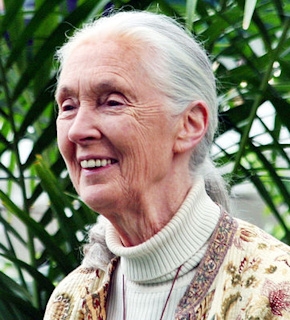
Jane Goodall, DBE, (1934–), is a British ethologist and conservationist, famous for her…

Joan of Arc (1412–1431) is the patron saint of France and of soldiers. She is famous for…
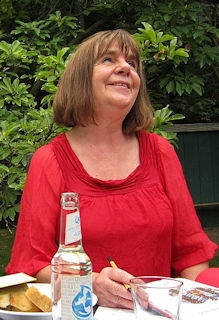
Julia Donaldson (1948–) is an English writer, playwright and performer most famous for her…
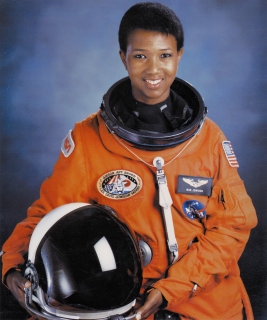
Mae Jemison (1956–) is an American doctor, teacher, businesswoman and former astronaut who…
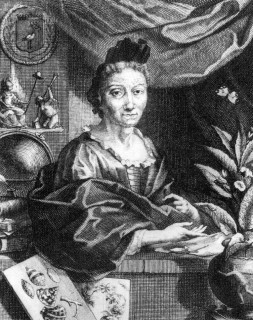
Maria Sibylla Merian (1647–1717) was a German naturalist and illustrator who dedicated her…
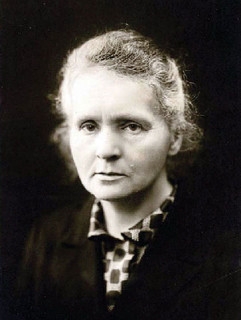
Marie Curie (1867–1934) was a Polish scientist whose groundbreaking research on…

Mary Anning (1799–1847) was a famous English fossil hunter and collector. Despite her poor…
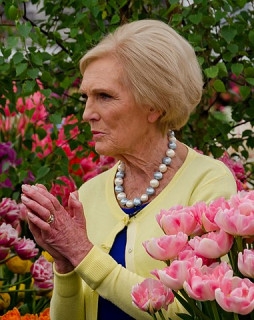
Mary Berry (1935–) is one of Britain’s best-loved cookery writers and television…
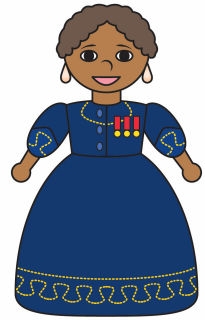
Mary Seacole (1805–1881) was a Jamaican-born British business woman who showed great…
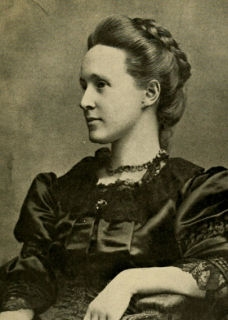
Millicent Fawcett (1847–1929) was a leading campaigner for women’s rights in Britain…

Mother Teresa (1910–1997) was a Roman Catholic nun and missionary who dedicated herself to…

Lots NEW! Rosa Parks (1913–2005) was an African American civil rights activist, most…

Learn a little about this amazing tennis player, Serena Williams, who has been wowing us all…

Taylor Swift (1989–) is an award-winning American singer and songwriter who has captivated…

null
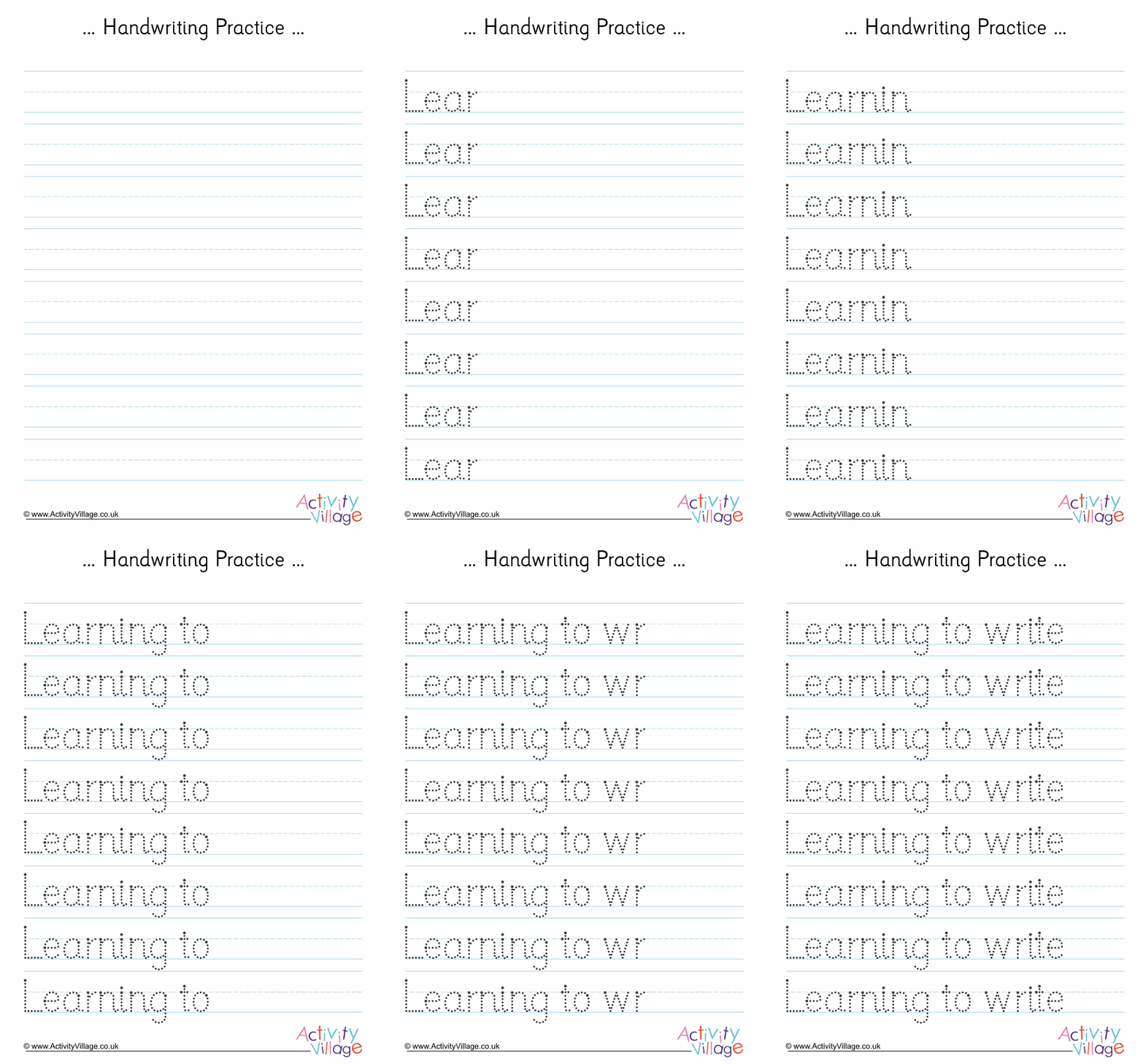
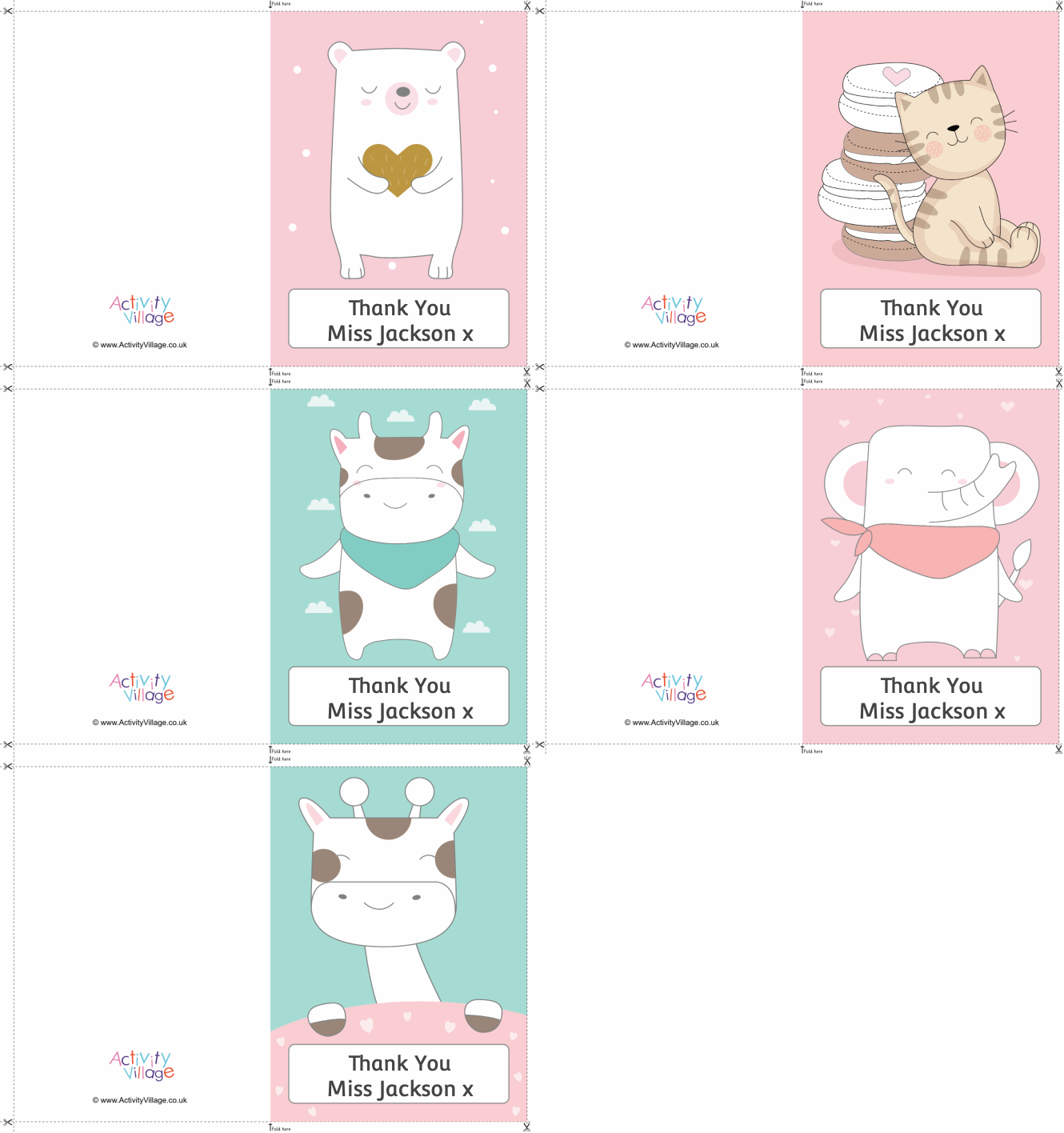
Create your own handwriting worksheets and greetings cards!

I just love your site and have used it so much with my family and also with classes at my school. Kim
Can I just say the site is amazing! Nicky
Your selection of what’s available and the fact that you have SO many categories and just about any day imaginable, is unlike anything I’ve ever seen before. Some of our students are special ed and there are so many things I’ve seen that they are capable of doing. I know the teachers are going to be thrilled to see your website. Marge
I love what u do here always so many good ideas and activities for all age groups. Wendy
Thanks for all the great work you do! Vicki
Copyright © 2000 – 2023 Activity Village. All rights reserved.
Activity Village is a Small Publishing website.
null
null
It never snows at Christmas in that dry and dusty land.
Instead of freezing blizzards, there are palms and drifting sands,
And years ago a stable and a most unusual star
And three wise men who followed it, by camel, not by car,
While, sleepy on the quiet hills, a shepherd gave a cry.
He’d seen a crowd of angels in the silent starlit sky.
In the stable, ox and ass stood very still and calm
And gazed upon the baby, safe and snug in Mary’s arms.
And Joseph, lost in shadows, face lit by an oil lamp’s glow
Stood wondering, that first Christmas Day, two thousand years ago
By Marian Swinger


October 31 is Halloween and is now celebrated in many countries around the world, but do you know anything about the origins of this scary special day? Read the article and find out.
Do the preparation task first. Then read the article and do the exercises.
If you think of Halloween, you probably think of scary carved pumpkins, all kinds of fancy dress and children asking for sweets. And if you think of a country that celebrates Halloween, you probably think of the United States first. Americans and Canadians have adopted Halloween in a big way, but Halloween traditions actually come from 16th-century Ireland, Scotland and England.
The tradition of Halloween on 31 October comes from the ancient Celtic festival of Samhain. Samhain was the Celtic New Year and they celebrated it on 1 November because that was the end of summer and harvest time (life) and the beginning of winter (death). It was also the time for ghosts to return to earth for a day. People lit a big fire, wore special clothes made of animal skin and hoped to be safe from the ghosts and the winter. In AD 609, the Catholic Church put the Christian celebration of All Saints Day on 1 November. In AD 1000, the church added All Souls Day on 2 November, and All Hallows Eve – or Halloween – moved to the night of the 31st.
The Celts carved faces into vegetables like turnips, potatoes and squash (a pumpkin is a kind of squash) to scare the ghosts and other spirits and make them go away. It was sometimes called a jack-o’-lantern because of an Irish story about a man, Jack. He played a trick on the devil and then had to walk the earth for all time as a punishment. Irish people who came to live in the United States in the 1800s found pumpkins much easier to carve, and the tradition became the one we see today.
The Celts were afraid of the ghosts that came on Samhain. If they went outside after dark, they covered their faces with masks. They hoped any ghosts they met would think they were ghosts too and would leave them alone. In early America, the Native Americans and the first Europeans celebrated the end of the harvest, but not Halloween. When Irish people arrived, the harvest festival started to look more like Halloween and it became popular across the country. In the late 19th century, people tried to make Halloween less about ghosts and religion and more about celebrating the season with a party for neighbours and family. That’s why Americans today wear all kinds of Halloween costumes and not just scary things like witches and ghosts like in other countries.
This is another tradition that began in Europe, this time in England. When the church introduced All Souls Day, rich people gave poor people ‘soul cakes’, a small cake made with spices and raisins. It replaced the Celtic tradition of leaving food outside houses for the ghosts. ‘Going a-souling’ was popular in England for hundreds of years until about the 1930s. The Americans kept the tradition, but today children knock on people’s doors and ask for sweets. Going trick or treating is so popular that a quarter of the sweets for the year in the United States are sold for this one day.
Halloween has become the United States’ second-biggest commercial festival after Christmas. Halloween is also celebrated in other countries, but it’s not as big as in the United States, even in the countries where the traditions began. Mexico celebrates the Day of the Dead from 31 October to 2 November and some of its traditions, like giving gifts of sugar skulls, are starting to mix with Halloween. In this way, the celebration of Halloween continues to change as new traditions join the oldest of the Celtic ones.
 Paula Lyra ELT School